Stay updated with world news, global political developments, economic shifts, international relations, and major events shaping countries worldwide.

World NewsIndia draws a firm red line against attacks on commercial vessels as tensions in the Strait of Hormuz threaten global trade stability.
World NewsA constitutional provision allows Nitish Kumar to remain Bihar Chief Minister for six months without legislative membership.
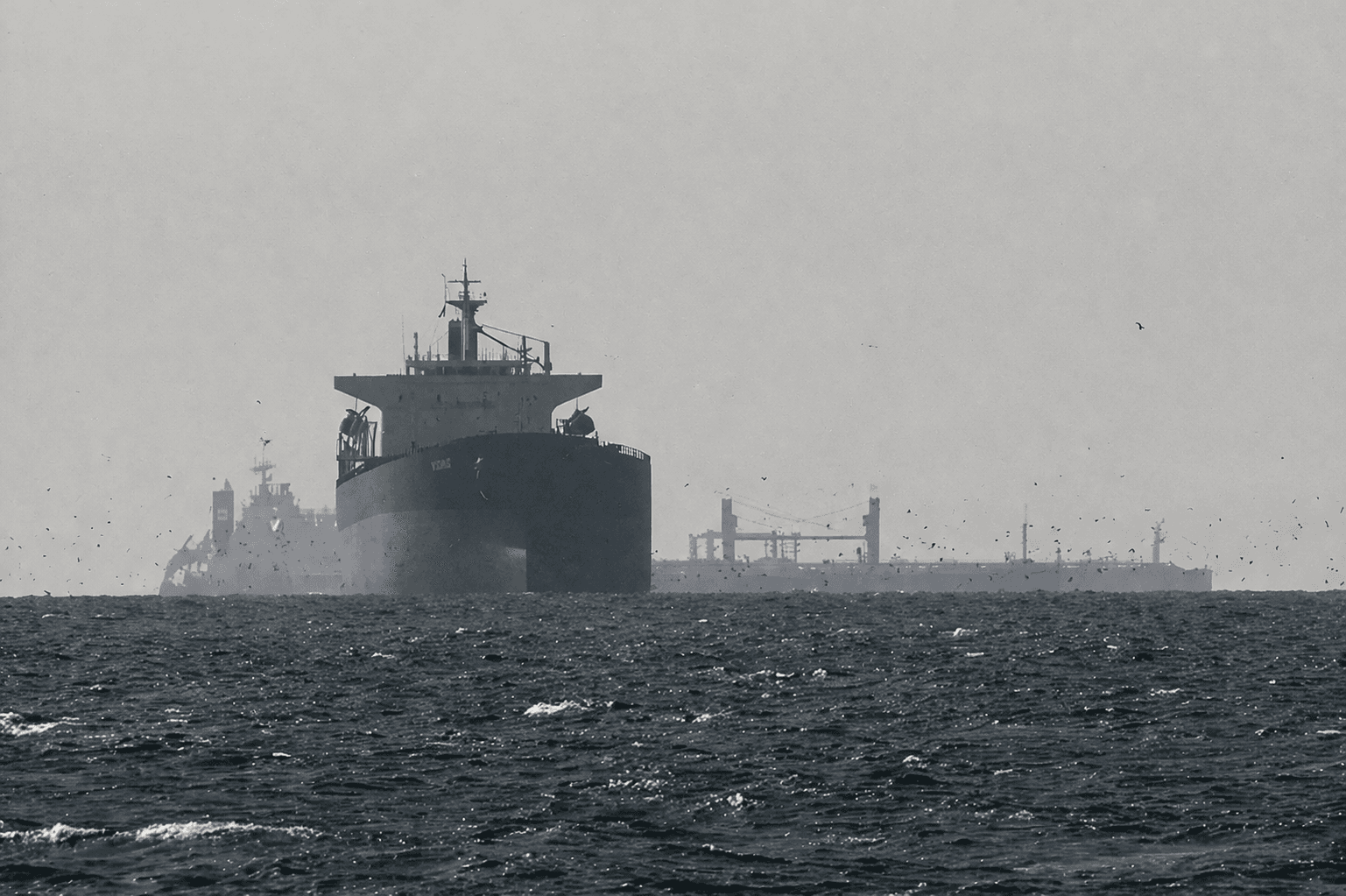
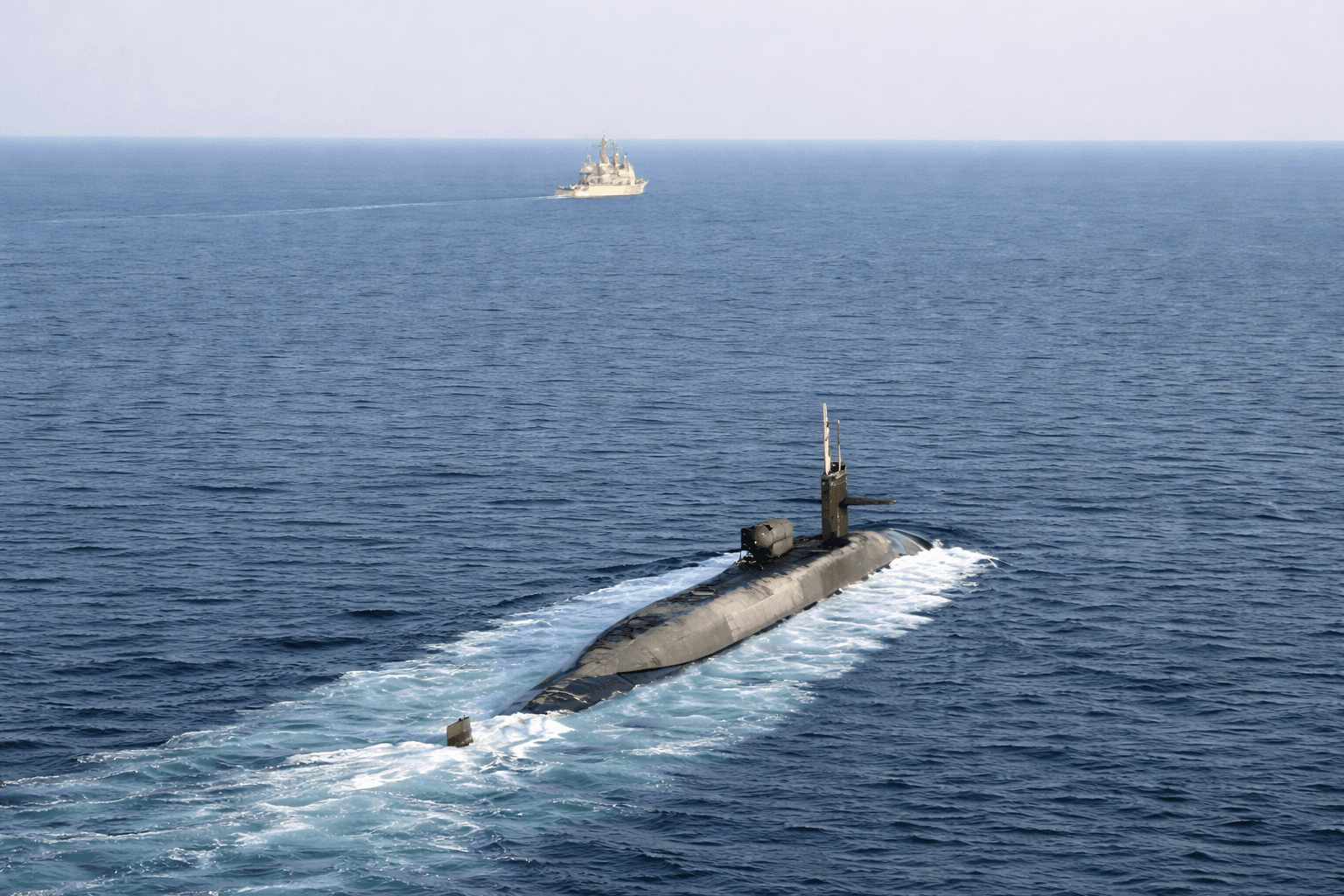
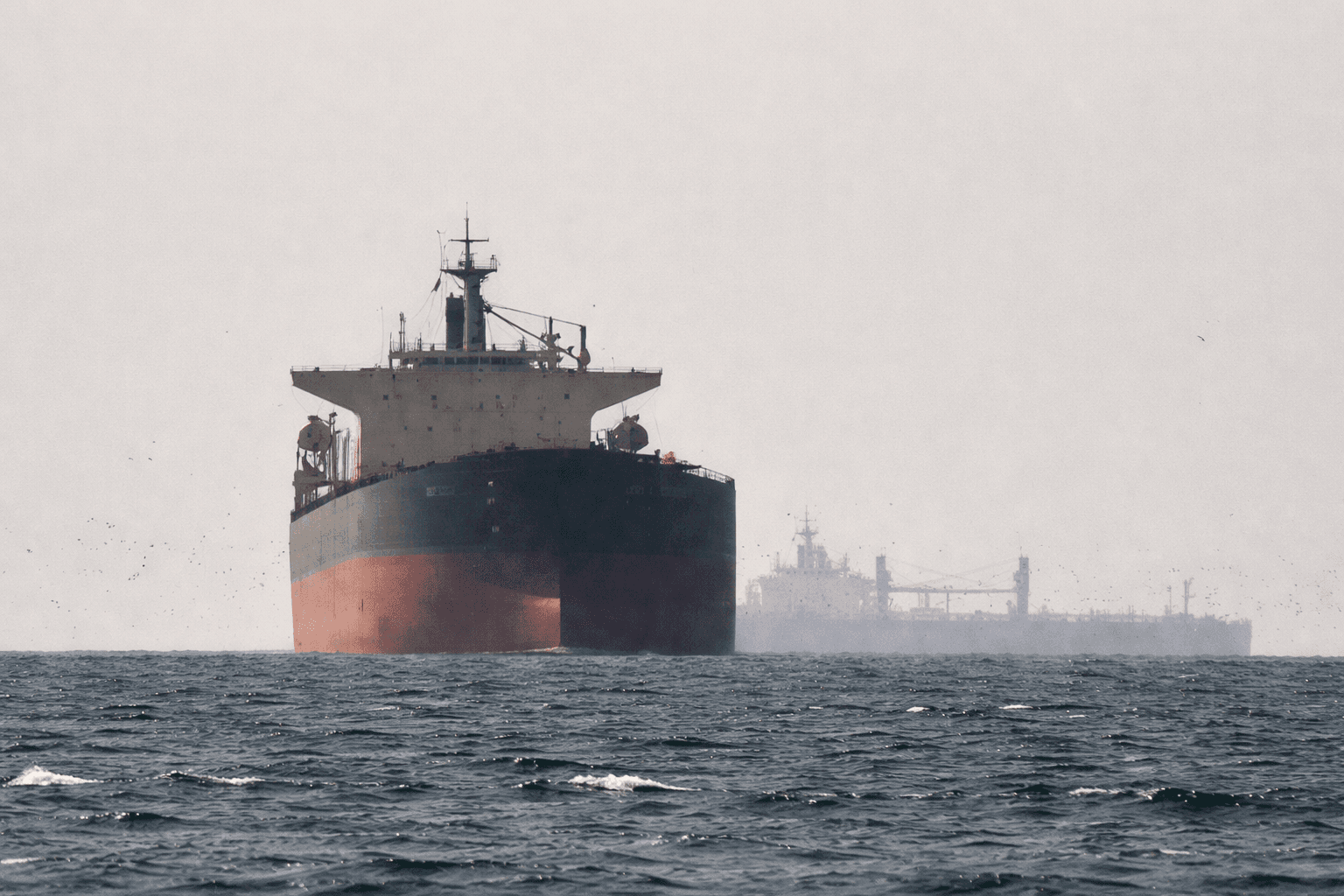
World NewsShip traffic through the Strait of Hormuz has dropped by about 95% since the Iran war began, with only a small number of vessels passing through risky routes. Data shows many ships now rely on Iran-linked permissions, highlighting growing control over global energy flows.
World NewsThe Iran Israel war is expanding rapidly, affecting energy markets, global security, and reshaping geopolitical power dynamics.
World NewsDonald Trump’s reference to Pearl Harbor during a meeting with Japan’s prime minister sparked unease and highlighted historical sensitivities. The remark came amid rising tensions over the Iran war and the Strait of Hormuz, underscoring the complex balance in US-Japan relations.
World NewsIndia strongly condemns attacks on Gulf energy hubs, signaling rising geopolitical risks and potential disruptions to global energy markets.
World NewsThe Iran Israel US war is intensifying rapidly, impacting global energy markets, regional stability, and international security dynamics.
World NewsOnly six NATO countries have publicly backed US-led strikes on Iran, while most allies refuse to join the conflict. The split highlights growing divisions within the alliance and raises questions about NATO’s role as tensions escalate in the Middle East.
World NewsIran has emerged as a key gatekeeper of the Strait of Hormuz, as countries negotiate directly with Tehran for safe passage despite US pressure. The shift highlights how geography and market fears are reshaping global energy flows during the ongoing conflict.
World NewsSri Lanka has declared a weekly holiday for public institutions to conserve fuel as an energy crisis spreads across Asia. Triggered by disruptions in the Strait of Hormuz, governments are introducing rationing, work cuts and emergency measures to manage rising oil prices and supply shortages.
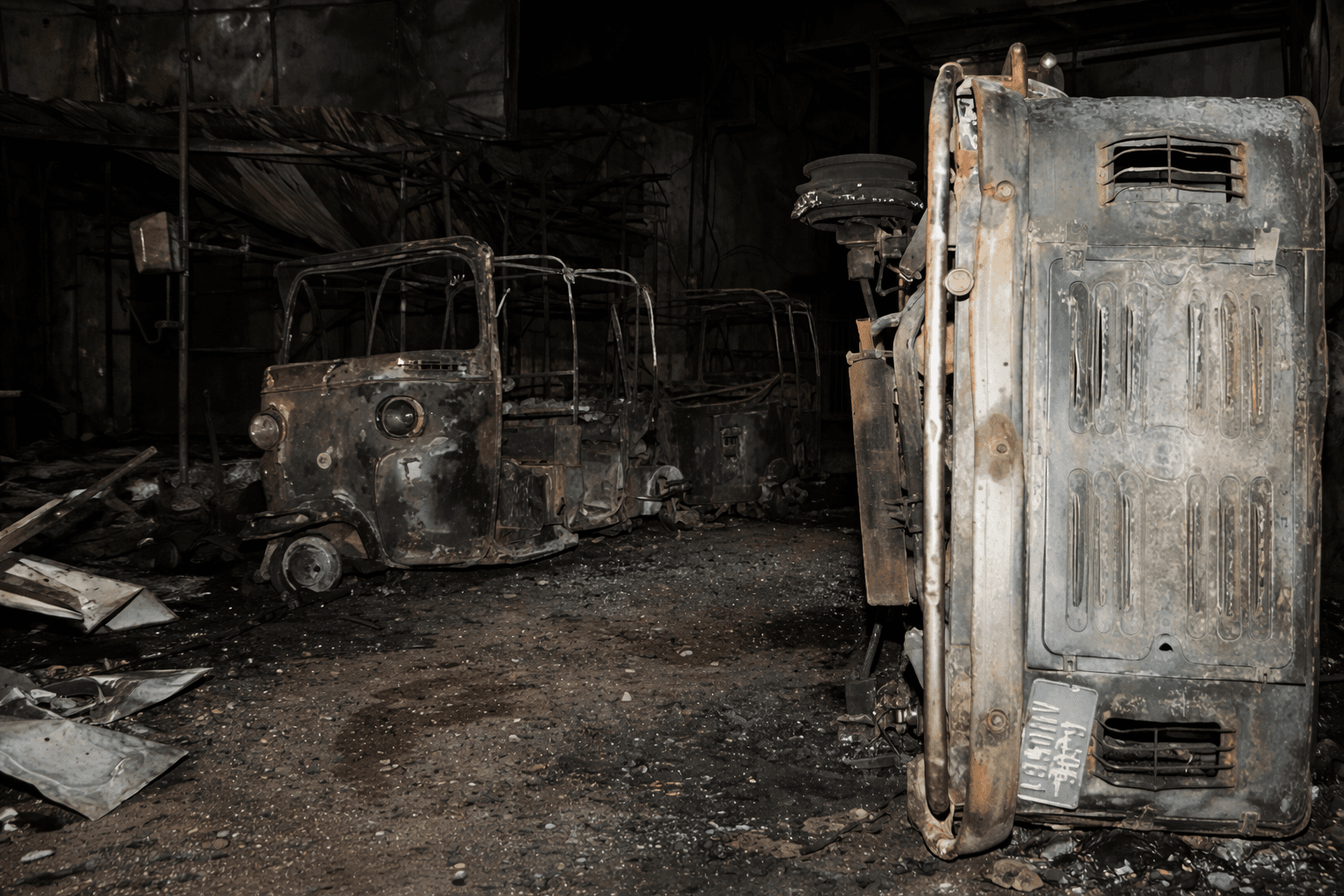
World NewsThe Taliban has warned of retaliation after a deadly airstrike in Kabul that it blames on Pakistan killed hundreds at a hospital. Islamabad denies targeting civilians, as tensions between the two countries escalate sharply and fears grow of a wider regional conflict. Taliban Warns of Retaliation After Deadly Pakistan Strike on Kabul Hospital The Taliban has warned that Pakistan’s actions “will not go unanswered” after a deadly airstrike in Kabul that Afghan officials say killed hundreds of people, many of them patients inside a hospital. The strike marks one of the deadliest incidents in the escalating conflict between Afghanistan and Pakistan, raising fears of a broader regional confrontation. Deadly Strike on Kabul Hospital Afghanistan’s Taliban government says a Pakistani airstrike hit a major drug rehabilitation hospital in Kabul, killing around 400 people and injuring more than 250 others. The facility, known locally as the Omid treatment centre, housed thousands of patients at the time of the attack. Eyewitnesses described scenes of chaos, with parts of the building collapsing and fires breaking out as rescue teams searched for survivors. Many of the victims were undergoing treatment, making the incident particularly devastating from a humanitarian perspective. Pakistan Denies Targeting Civilians Pakistan has strongly rejected the allegations. Officials in Islamabad said their forces carried out precision strikes against militant infrastructure, not civilian facilities. They claim the target was a site linked to militant groups and weapons storage. The conflicting accounts have made it difficult to independently verify what happened on the ground. However, international organisations, including the United Nations, have expressed concern about the high number of civilian casualties and called for restraint. Taliban Vows Response Taliban spokesperson Zabihullah Mujahid issued a strong warning following the strike. He described the attack as “brutality” and said it would not go unanswered, signalling that retaliation could follow soon. Other Taliban officials have also condemned the strike, calling it a violation of international norms and a “crime against humanity”. The statement highlights the growing risk of escalation between the two neighbouring countries. Conflict Has Been Building for Months Tensions between Afghanistan and Pakistan have been rising for months. Pakistan has accused the Taliban government of sheltering militant groups responsible for cross-border attacks. The Taliban has denied those claims and, in turn, accused Pakistan of violating Afghan sovereignty through airstrikes. In recent weeks, both sides have carried out attacks across the border, increasing fears that the conflict could spiral further. Strategic and Humanitarian Impact The latest strike has intensified both humanitarian and geopolitical concerns. Hospitals and medical facilities are protected under international law, and attacks on them are widely condemned. The scale of casualties has drawn sharp reactions from global observers and aid organisations. At the same time, the conflict threatens to destabilise a region already facing economic and security challenges. Thousands of people have reportedly been displaced as violence escalates, adding to the strain on local communities. Regional and Global Reactions Countries in the region and beyond are closely monitoring the situation. India has condemned the strike, while China has urged both sides to exercise restraint and avoid further escalation. Diplomatic efforts to de-escalate tensions have so far produced limited results. Analysts warn that continued violence could lead to a prolonged conflict, with wider implications for regional stability. Risk of Wider Conflict The Taliban’s warning of retaliation raises the possibility of further military action. If both sides continue to respond with force, the conflict could intensify into a broader confrontation. The situation also risks drawing in other regional powers, especially if cross-border attacks continue. For now, the focus remains on whether diplomatic channels can prevent further escalation. A Fragile Situation The Kabul hospital strike has become a defining moment in the current crisis. It underscores the fragile nature of relations between Afghanistan and Pakistan and the dangers of escalating military action. With both sides standing firm and tensions running high, the coming days will be critical in determining whether the conflict deepens or moves toward de-escalation. If you want, I can next: Turn this into a Google Discover viral headline version (higher CTR) Or simplify it into an Instagram carousel news post (very engaging format)
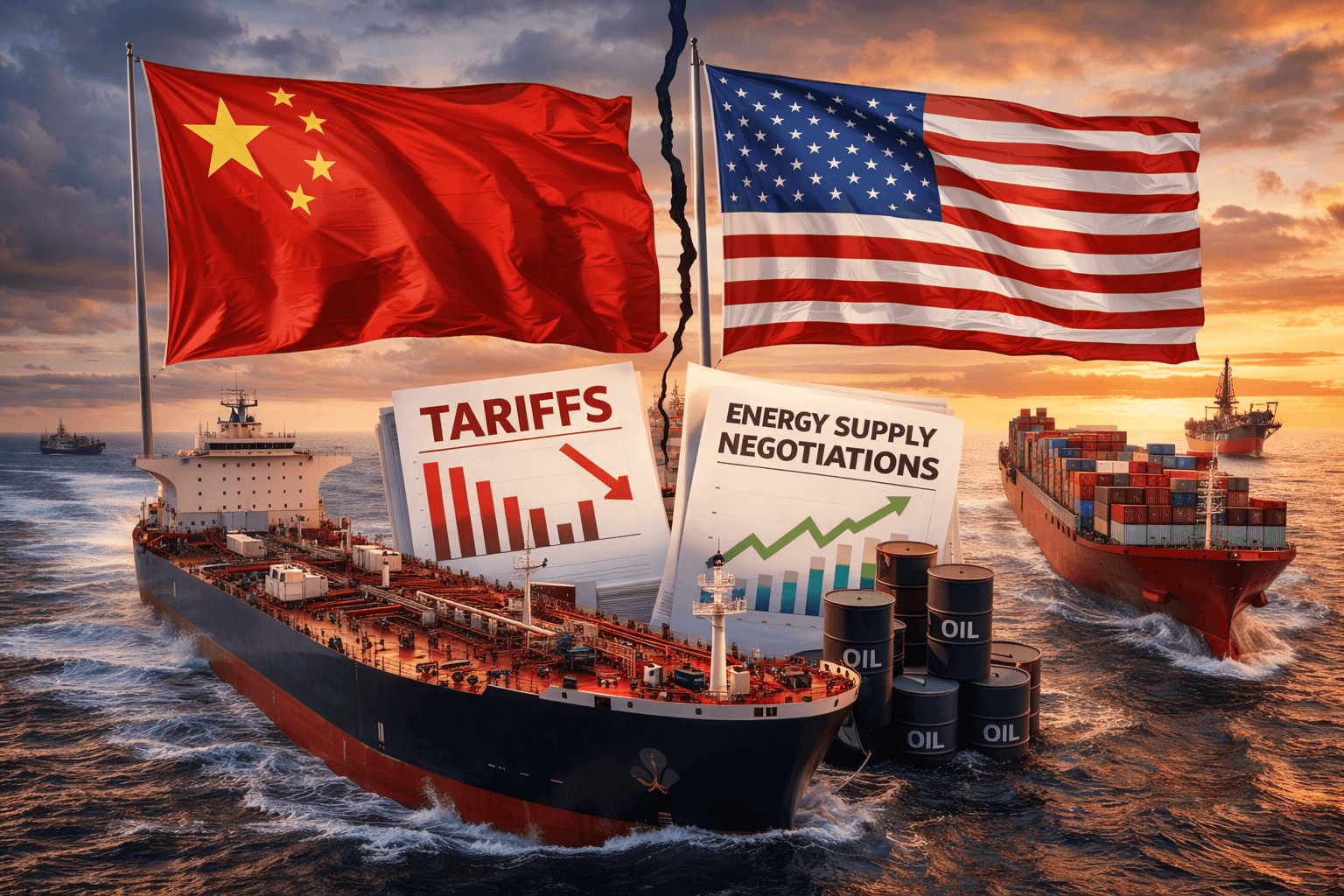
World NewsUS President Donald Trump has delayed a planned visit to China as the Iran war intensifies. The move highlights rising global tensions, with Washington balancing conflict management and strained relations with Beijing amid ongoing trade disputes and concerns over energy supply disruptions.