
Dhandhuka Violence: How Did a Minor Bike Accident Escalate Into a Deadly Public Crisis?
A Sudden Spark That Turned Fatal
A routine road accident in Dhandhuka quickly spiraled into a violent confrontation, leaving one person dead and a town on edge. What began as a dispute between individuals escalated into a broader law and order challenge, exposing how fragile public peace can be under pressure.
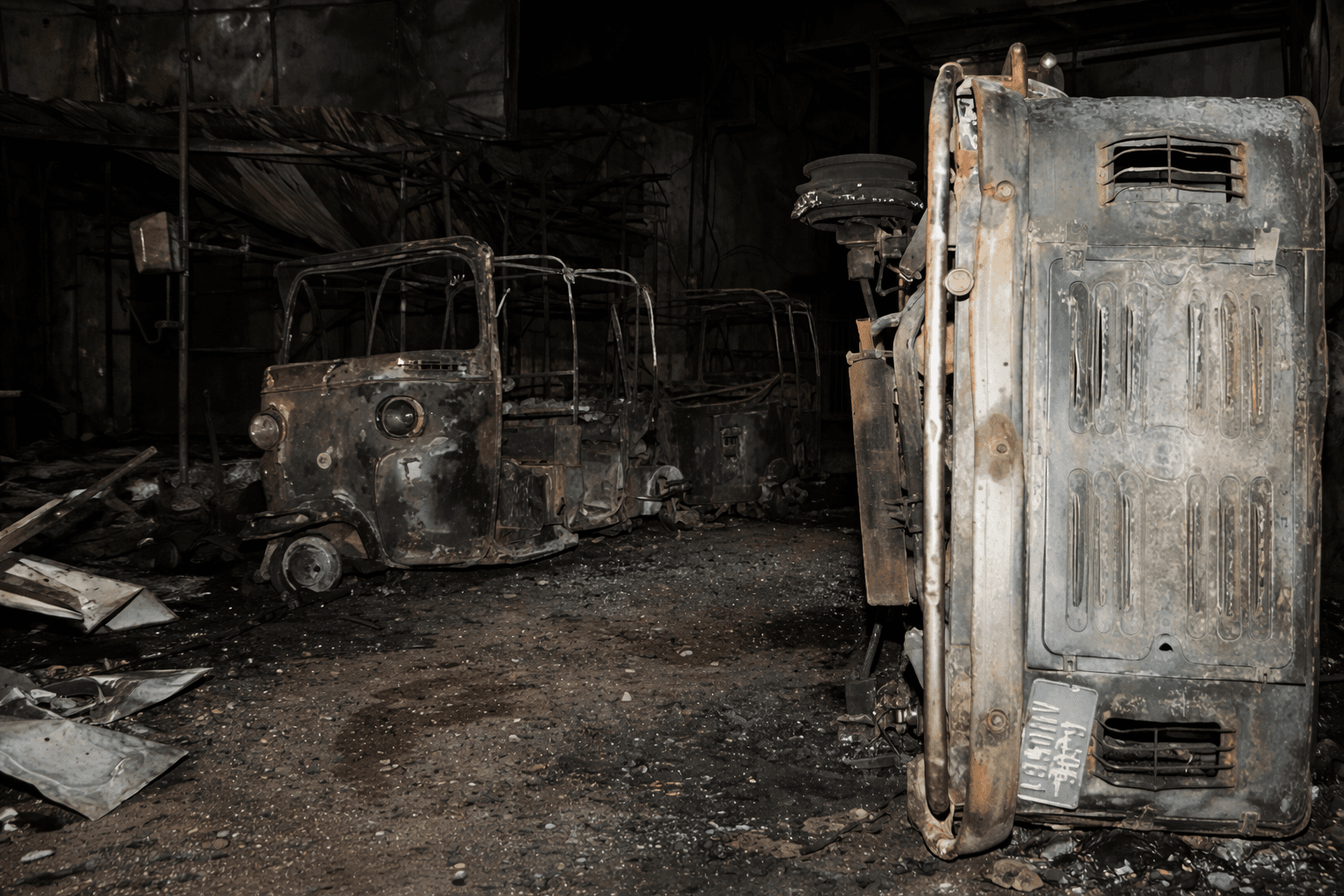
Within hours, tensions gripped the area. Shops were reportedly vandalized or set on fire. Police forces moved in to contain the situation. Authorities later confirmed that two individuals had been arrested in connection with the murder.
What Exactly Happened in Dhandhuka?
According to verified reports, the incident began with a bike accident involving local residents. The situation escalated when an argument broke out between the parties involved. Soon after, the disagreement turned violent. One individual was fatally attacked during the clash. This single act triggered a chain reaction. Groups gathered. Anger spread. The situation moved beyond a personal dispute into a public disturbance.
As tensions rose, parts of the town witnessed arson and vandalism. Several shops were targeted. The administration had to deploy additional police forces to prevent further escalation.
Why Such Incidents Escalate Quickly
Dhandhuka, located in Gujarat’s Ahmedabad district, has witnessed localized tensions in the past. However, this incident highlights a broader pattern seen across urban and semi urban India.
Minor disputes often escalate due to three key factors. First, there is a lack of immediate conflict resolution. Second, crowd psychology amplifies aggression. Third, misinformation spreads quickly during such incidents. These elements combine to turn isolated conflicts into community level disturbances.
Key Developments and Police Response
Authorities acted quickly after the situation worsened. Police registered a case and arrested two suspects linked to the killing. Security presence in the area increased significantly. Officials also worked to disperse crowds and restore normalcy. Surveillance and patrolling were intensified to prevent further incidents. Early intervention helped avoid a wider breakdown of order.
Importantly, law enforcement emphasized that the situation is now under control. However, the underlying tensions require careful monitoring.
Impact on Public Safety and Local Stability
The incident has raised serious concerns about public safety in smaller towns. While major cities often have stronger policing systems, semi urban regions remain vulnerable to sudden unrest. Local businesses suffered immediate losses due to vandalism and closures. More importantly, public confidence in safety took a hit.
Such events also create ripple effects. Investors and small business owners may become cautious. Community relations can weaken. Trust in local governance may erode if such incidents repeat.
Strategic Implications for Law Enforcement
This case highlights the urgent need for proactive policing. Rapid response alone is not enough. Authorities must focus on prevention. Community engagement plays a key role. Building trust with local residents can reduce the risk of escalation. Additionally, real time monitoring of sensitive areas can help identify risks early.
Another critical factor is communication. Clear and timely updates can prevent misinformation from spreading. This reduces panic and limits crowd mobilization.
What This Incident Signals Going Forward
The Dhandhuka violence serves as a reminder that small triggers can lead to large consequences. While the immediate situation is under control, the structural issues remain.
Urbanization is increasing pressure on local systems. At the same time, social tensions can escalate faster in connected environments. Therefore, both governance and community awareness must evolve. Strengthening local dispute resolution mechanisms could be a key step forward. So can investment in policing infrastructure and training.
A Local Incident With Broader Lessons
The Dhandhuka violence is not just a crime story. It is a case study in how quickly order can collapse when small conflicts go unchecked. Authorities managed to contain the situation. However, the incident underscores the need for stronger preventive systems. Law enforcement, community leaders, and policymakers must work together. Only then can similar incidents be avoided in the future.
FAQ's
1. What caused the Dhandhuka violence?
A bike accident led to an argument, which escalated into a violent clash and resulted in one death.
2. How many people were arrested?
Police confirmed that two individuals were arrested in connection with the murder.
3. What damage was reported?
Several shops were vandalized or set on fire during the unrest.
4. Is the situation under control now?
Yes, authorities have deployed additional forces and confirmed that the situation is currently under control.
5. Why do such incidents escalate quickly?
Factors include lack of immediate conflict resolution, crowd psychology, and rapid spread of misinformation.
Topics
Covering startup news, AI, technology, and business at ThePrimely. Delivering accurate, in-depth reporting on the stories that shape the future.