
Will Pakistan Be Pulled Into the Iran War Through Its Saudi Defence Pact?
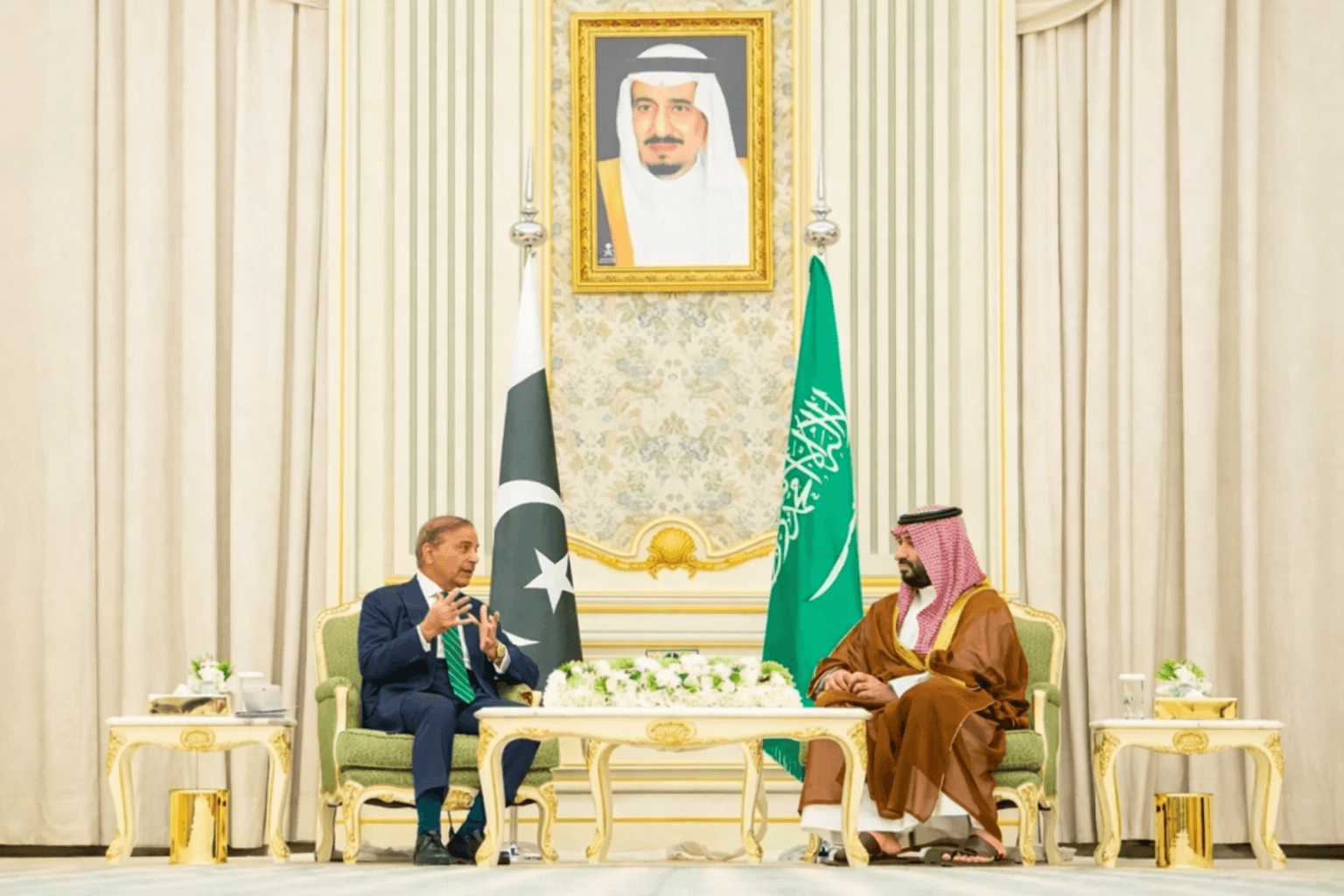
Pakistan today stands at a critical geopolitical crossroads. On one side lies its strategic alliance with Saudi Arabia. On the other, its geographic and diplomatic ties with Iran. As tensions escalate in the Middle East, a key question emerges. Can Pakistan remain neutral, or will its defence commitments force a difficult choice?
This dilemma has intensified after reports of a defence pact that could reshape regional dynamics.
Understanding the Pakistan–Saudi Defence Pact
At the center of the issue is the Strategic Mutual Defence Agreement signed in 2025. This agreement commits both nations to collective security. Strategic Mutual Defence Agreement effectively treats an attack on one country as an attack on both.
This clause is crucial. It means that if Saudi Arabia faces direct aggression, Pakistan may be expected to provide military support. However, the agreement does not clearly define the scale or nature of that support. This ambiguity leaves room for interpretation.
What Triggered the Current Tensions?
The Iran conflict has escalated rapidly in recent weeks. Iranian missile and drone attacks have targeted Saudi energy infrastructure. In response, Saudi Arabia has strengthened its defence posture. It has also invoked its security arrangements with Pakistan.
At the same time, Pakistan has publicly condemned attacks on Saudi territory. This dual response highlights a balancing act. Pakistan signals support to Riyadh while avoiding direct confrontation with Tehran.
Pakistan’s Strategic Balancing Act
Pakistan’s position is uniquely complex. It shares a border with Iran and maintains economic and security ties. At the same time, Saudi Arabia remains a key ally and economic partner. This creates a strategic contradiction. Supporting Saudi Arabia could strain relations with Iran. Remaining neutral could weaken trust with Riyadh.
Analysts suggest that Pakistan is attempting to manage both sides through diplomacy. It has even played a role in mediating ceasefire discussions in the conflict. However, such neutrality may not hold if the conflict escalates further.
Military Signals and Ground Reality
Recent developments indicate rising military coordination. Pakistan has reportedly deployed fighter aircraft to Saudi Arabia under the defence framework.
While officially described as a move for “operational readiness,” the timing is significant. It sends a deterrence signal to Iran. At the same time, Pakistan continues diplomatic engagement with all parties. This dual approach reflects caution rather than commitment to war.
Economic and Security Risks for Pakistan
The stakes are not just military. They are deeply economic. Pakistan relies heavily on Gulf oil imports. In fact, disruptions in the Strait of Hormuz have already triggered energy concerns.
Moreover, millions of Pakistani workers in Gulf countries contribute to remittances. Any escalation could threaten these inflows. On the security front, instability along the Iran-Pakistan border could increase. Risks include refugee flows and internal unrest.
A Diplomatic Tightrope
Pakistan is not eager to enter the conflict. Its actions suggest a preference for de-escalation. However, the defence pact introduces structural pressure. If Saudi Arabia formally invokes the agreement during a major escalation, Pakistan may face limited options.
Interestingly, some analysts argue that the pact is more about deterrence than automatic military involvement. This means Pakistan could still avoid direct combat while offering logistical or defensive support.
What This Signals for Regional Geopolitics
The situation reflects a broader shift in global alliances. Middle Eastern countries are diversifying their security partnerships beyond traditional powers. Pakistan’s growing role as both a military partner and mediator highlights its strategic importance.
However, this dual role is risky. Balancing diplomacy and defence commitments becomes increasingly difficult as conflicts intensify. The Pakistan Saudi defence pact Iran war scenario is a test of strategic restraint. Pakistan is trying to maintain neutrality while honoring its commitments. For now, diplomacy remains its primary tool. Yet, the margin for neutrality is narrowing.
If tensions escalate further, Pakistan may be forced to redefine its position. The outcome will not only shape its foreign policy but also influence the broader stability of the region.
FAQ's
What is the Pakistan Saudi defence pact?
It is a 2025 agreement where both countries commit to mutual security and collective defence.
Can Pakistan be forced into the Iran war?
Not automatically, but strong pressure could arise if Saudi Arabia invokes the pact during escalation.
Why is Pakistan trying to stay neutral?
It maintains important ties with both Iran and Saudi Arabia, making neutrality strategically necessary.
Has Pakistan taken any military action?
It has deployed aircraft to Saudi Arabia, mainly as a deterrence measure.
What are the risks for Pakistan?
Economic disruption, energy shortages, and regional instability are the key risks.
Topics
Covering startup news, AI, technology, and business at ThePrimely. Delivering accurate, in-depth reporting on the stories that shape the future.