
Trump China tariffs 50% warning signals widening trade tensions amid Iran conflict
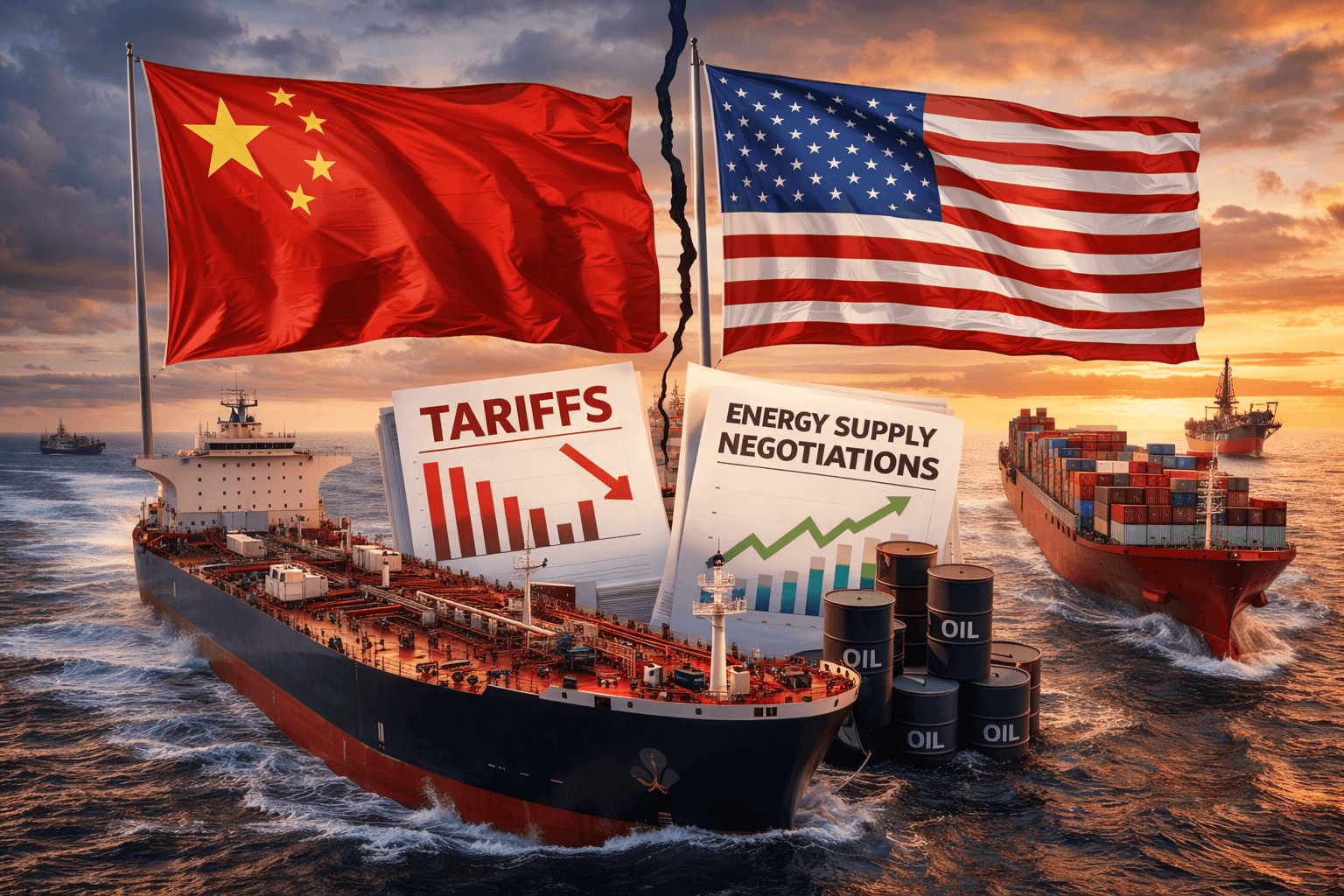
US proposes alternative crude supply options while cautioning Beijing over potential military support to Tehran
Trump China tariffs 50% warning indicates a widening geopolitical dimension to the ongoing Iran conflict as the United States signalled potential economic consequences for countries supporting Tehran.
US President Donald Trump said China could face tariffs of up to 50 percent if it provides military equipment to Iran, according to statements made during a media interview.
Trump said the tariff measure could be applied if reports regarding Chinese support for Iranian defence systems are confirmed.
The comments suggest that the conflict may increasingly influence global trade relationships beyond the Middle East region.
Analysts say trade policy can be used as a strategic tool in geopolitical negotiations.
Reports of potential Chinese defence support raise concerns
Recent media reports suggested that China could supply shoulder-fired air defence systems to Iran through indirect channels.
Such systems are portable missile launchers designed to target aircraft operating at low altitude.
Chinese officials have denied the reports, stating that Beijing has not supplied weapons to parties involved in the conflict.
Diplomatic analysts note that allegations regarding military supply can influence relations between major global powers.
Verification of such claims remains limited as official confirmation has not been provided by independent authorities.
Geopolitical tensions often increase when major economies are perceived to support opposing sides in conflicts.
US suggests crude oil supply alternatives to China
Trump also suggested that China could import crude oil from the United States or Venezuela as an alternative to supplies linked to the Middle East.
He indicated that global oil supply capacity could allow redirection of shipments toward alternative markets.
The United States has increased oil production in recent years, contributing to greater export capability.
Venezuela also holds significant oil reserves, although production has fluctuated due to domestic economic challenges.
Analysts say shifts in trade flows can influence global commodity markets and pricing structures.
Energy supply diversification remains a strategic priority for many countries.
China’s role in diplomatic developments remains under observation
China is considered one of Iran’s major trading partners, particularly in the energy sector.
Reports indicate Beijing may have played a role in diplomatic efforts supporting a temporary ceasefire between the United States and Iran.
Diplomatic observers note that China often participates in multilateral negotiations affecting global security and economic stability.
Engagement through intermediary countries such as Pakistan, Turkey, and Egypt has been reported in diplomatic discussions.
China has not publicly confirmed details regarding its role in mediation efforts.
Geopolitical analysts say major powers often seek to maintain stability in energy markets due to economic implications.
Trade tensions may influence global markets
Tariff threats can affect trade flows, supply chains, and investment decisions across multiple industries.
Higher tariffs typically increase the cost of imports, potentially influencing business competitiveness.
Global markets often react to trade policy developments due to their impact on economic growth expectations.
Trade tensions between the United States and China have historically influenced financial markets and commodity prices.
Policy analysts say trade measures can also affect diplomatic relations between major economies.
Market participants continue monitoring developments linked to global trade negotiations.
Strategic link between energy markets and geopolitical relations
Energy supply routes remain closely linked to geopolitical stability, particularly during periods of conflict.
The Strait of Hormuz continues to play a central role in global oil transportation and pricing trends.
Changes in energy trade flows can influence economic conditions across importing and exporting countries.
Geopolitical developments may encourage countries to diversify supply chains to reduce risk exposure.
Energy security remains an important consideration in international trade policy decisions.
Analysts say geopolitical uncertainty can influence both commodity markets and diplomatic relations.
Outlook as geopolitical developments evolve
Policy experts expect continued monitoring of developments related to trade relations between major economies.
Diplomatic engagement may influence future decisions regarding tariffs and trade partnerships.
The Trump China tariffs 50% statement reflects broader strategic considerations linked to global economic and security dynamics.
Markets remain sensitive to developments affecting trade relations, energy supply, and geopolitical stability.
Further updates are expected as negotiations continue between countries involved in the evolving conflict.
Topics
Covering startup news, AI, technology, and business at ThePrimely. Delivering accurate, in-depth reporting on the stories that shape the future.