
Truce or Trap? Hezbollah Puts ‘Finger on Trigger’ as Israel Faces Fresh Warning
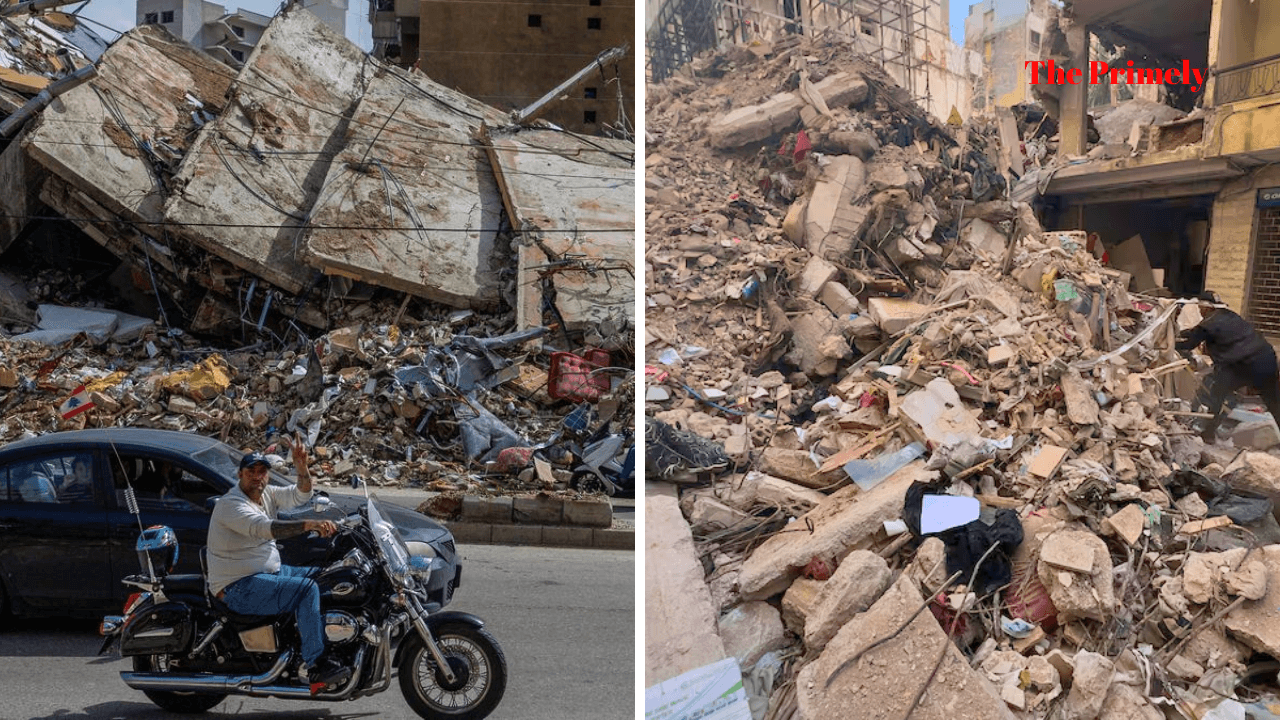
The Iran war Lebanon ceasefire has introduced a temporary pause in one of the most volatile conflicts in recent years. A 10-day truce between Israel and Lebanon, brokered with U.S. involvement, has raised hopes for stability. However, early reports of violations suggest that the situation remains fragile and uncertain.
Even as political leaders speak of peace, ground realities indicate that the conflict is far from resolved. The ceasefire is not an endpoint but a temporary window in a broader and ongoing regional confrontation.
Background: How the Conflict Expanded
The current crisis began with direct military escalation between the United States, Israel, and Iran in late February 2026. Over time, the conflict expanded into Lebanon through Hezbollah, Iran’s key regional ally.
Despite a separate ceasefire agreement between the U.S. and Iran earlier in April, fighting in Lebanon continued, highlighting the complexity of multi-front conflicts.
This divergence created a layered conflict structure where diplomatic agreements on one front did not necessarily apply to others.
Key Developments: Ceasefire and Violations
A 10-day ceasefire between Israel and Lebanon came into effect in mid-April, following intense military exchanges that caused widespread destruction and displacement.
The agreement was seen as a breakthrough, with international leaders calling it a step toward broader peace negotiations. However, reports soon emerged of shelling and military activity even after the truce began.
Lebanese authorities and Hezbollah accused Israel of violating the ceasefire, while Israel maintained its right to respond to perceived threats.
This pattern reflects a familiar challenge in conflict resolution: agreements are reached faster than they can be enforced.
Iran War Lebanon Ceasefire: Why It Remains Fragile
Multiple Actors, Conflicting Goals
The Iran war Lebanon ceasefire is complicated by the number of actors involved. While the United States has pushed for a pause in hostilities, Israel and Hezbollah have their own strategic priorities.
Israel has insisted on maintaining a security presence in southern Lebanon, while Hezbollah continues to view resistance as necessary.
This mismatch in objectives makes long-term stability difficult to achieve, even with external mediation.
Trump’s Push for Quick Resolution
U.S. leadership has framed the ceasefire as part of a broader effort to end the Iran war. President Donald Trump has expressed optimism that the conflict could end soon, while urging all parties to support the truce.
At the same time, his administration has maintained pressure on Iran through military positioning and economic measures. This dual approach reflects a strategy that combines negotiation with leverage.
Global Impact: Markets, Oil, and Stability
The Iran war Lebanon ceasefire has had immediate global consequences. Oil markets reacted positively to the truce, with prices easing as fears of prolonged disruption declined.
However, the broader crisis continues to affect global supply chains. The Strait of Hormuz remains a key concern, as disruptions there could trigger further economic instability.
Countries dependent on Middle Eastern energy are closely monitoring developments, highlighting how regional conflicts can quickly become global issues.
Strategic Implications: A Conflict Without Clear Boundaries
The ongoing situation reveals a deeper transformation in modern warfare. Conflicts are no longer confined to single regions or actors. Instead, they involve overlapping alliances, indirect engagements, and shifting frontlines.
The Iran war Lebanon ceasefire illustrates how difficult it is to separate one conflict zone from another. Actions in Lebanon influence negotiations with Iran, while developments in the Gulf affect military strategies elsewhere.
This interconnected nature increases both the complexity and the risks of escalation.
What Comes Next
The immediate future of the Iran war Lebanon ceasefire depends on whether violations can be contained. Diplomatic efforts are ongoing, with multiple countries pushing for a more durable agreement.
However, the underlying tensions remain unresolved. Issues such as territorial control, military presence, and long-term security guarantees continue to divide the parties involved.
If the ceasefire holds, it could open the door to broader negotiations. If it collapses, the region may return to full-scale conflict.
Topics
Covering startup news, AI, technology, and business at ThePrimely. Delivering accurate, in-depth reporting on the stories that shape the future.