
Hormuz blockade sees sanctioned tankers continue transit despite US restrictions
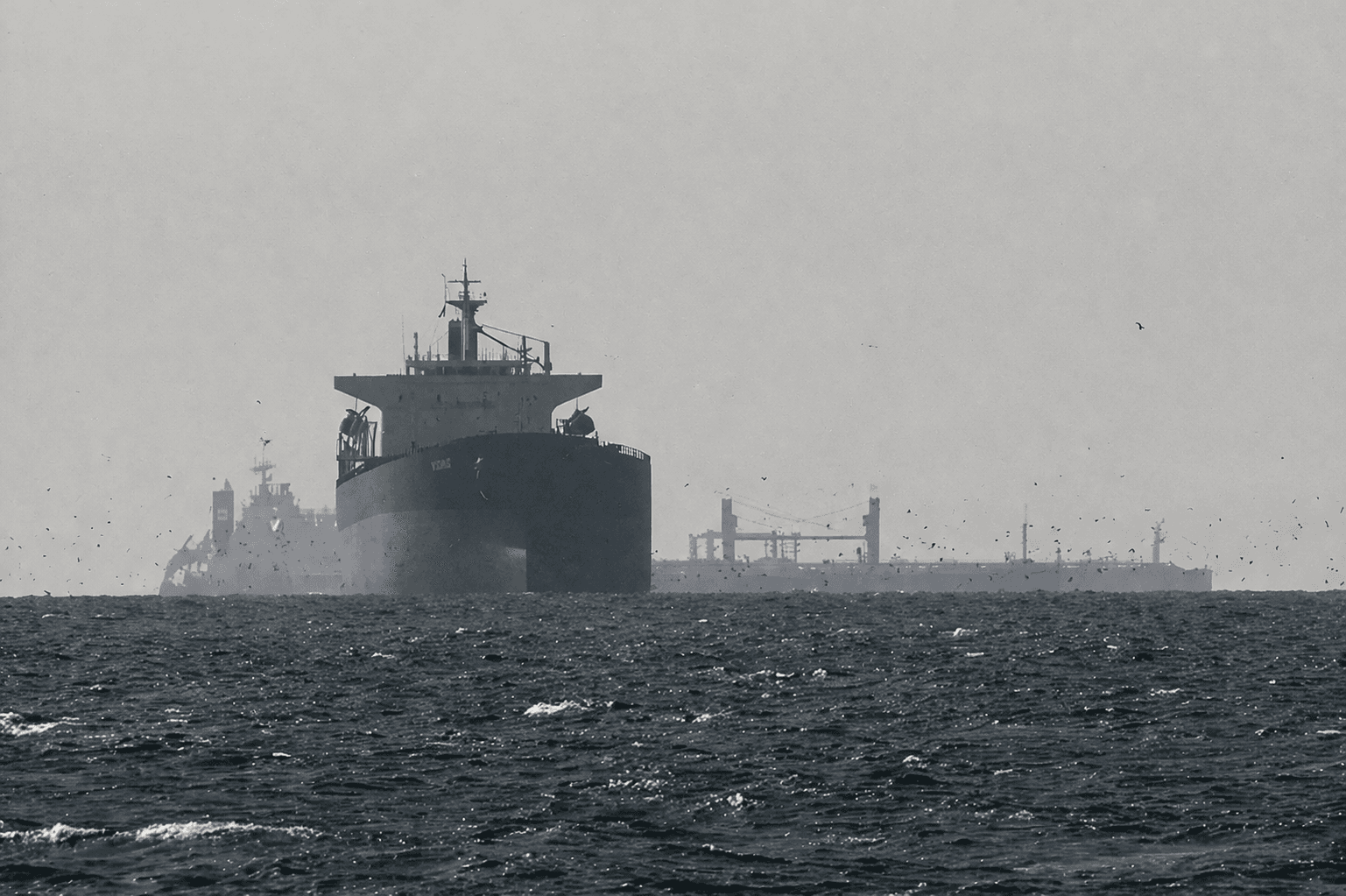
Shipping activity resumes cautiously as geopolitical tensions affect global oil supply routes
Hormuz blockade conditions continue to influence global shipping activity as several vessels, including sanctioned tankers, transit the Strait of Hormuz despite heightened geopolitical tensions.
Shipping data indicates at least three vessels entered the Gulf through the strategic waterway on the first full day of the United States blockade targeting ships linked to Iranian ports.
The vessels were not travelling to Iranian ports and therefore were not directly affected by the restrictions imposed by Washington.
The Strait of Hormuz remains one of the most important global maritime corridors, carrying approximately one fifth of global energy exports.
Disruptions to traffic since February have affected global oil supply expectations and increased market volatility.
Sanctioned vessels continue operations under complex regulatory environment
Among the vessels reported transiting the strait were tankers previously sanctioned by the United States for involvement in transporting Iranian oil or petrochemical cargo.
Shipping analytics data indicates that the tanker Rich Starry carried approximately 250,000 barrels of methanol during its recent journey through the Gulf region.
Another vessel, Murlikishan, is reported to be travelling toward Iraq to load fuel oil.
The Panama-flagged tanker Peace Gulf was also recorded moving through the waterway en route to the United Arab Emirates.
Shipping analysts say sanctioned vessels often operate within complex regulatory frameworks influenced by geopolitical developments and trade restrictions.
Maritime operators continue monitoring legal and operational risks associated with evolving sanctions policies.
US blockade targets Iranian port-linked shipping activity
The United States announced a blockade of vessels calling at Iranian ports following the breakdown of peace negotiations linked to the ongoing conflict.
Officials said the restrictions aim to limit Iran’s ability to export oil and influence maritime trade flows.
However, the measures do not apply to vessels travelling between non-Iranian ports via the Strait of Hormuz.
Policy analysts say selective restrictions highlight the strategic importance of maintaining broader shipping continuity while targeting specific trade flows.
The blockade represents a further escalation of economic pressure linked to geopolitical negotiations.
Observers note that shipping policies can influence global energy supply availability.
Strait of Hormuz remains central to global energy markets
The Strait of Hormuz connects major oil-producing countries in the Gulf with international markets.
The route is used for transportation of crude oil, liquefied natural gas, and petrochemical products.
Energy markets remain sensitive to developments affecting maritime chokepoints due to their role in supply continuity.
Iran’s earlier restrictions on transit through the waterway contributed to higher global fuel prices and supply uncertainty.
Restoration of stable shipping activity is considered important for global economic stability.
Shipping companies continue assessing security risks before increasing transit volumes.
China highlights concerns over maritime security
China’s foreign ministry criticised the blockade, describing the measure as potentially increasing tensions in the region.
China relies heavily on oil imports from the Middle East, including shipments originating from Iran.
Data indicates that China purchased a significant share of Iranian crude exports in recent years.
Energy trade relationships influence diplomatic positioning in geopolitical negotiations.
Analysts say countries dependent on imported oil often prioritise stability in maritime trade routes.
Diplomatic responses reflect broader concerns regarding global energy security.
Commercial shipping faces regulatory and security challenges
Shipping companies must evaluate both security risks and compliance requirements when operating in geopolitically sensitive regions.
Vessels operating near the Strait of Hormuz may require approvals from multiple authorities depending on the route and cargo origin.
Insurance costs for ships operating in conflict zones may increase due to elevated risk perception.
Shipping analysts say uncertainty regarding navigation permissions may influence decisions to delay voyages.
Complex regulatory frameworks can affect scheduling and logistics planning for maritime operators.
Industry groups continue monitoring developments affecting maritime safety conditions.
Diplomatic efforts continue despite blockade developments
Diplomatic discussions between involved parties continue despite ongoing tensions affecting maritime trade routes.
Pakistan has indicated willingness to facilitate further rounds of negotiations aimed at reducing escalation risk.
Policy analysts say diplomatic engagement remains an important mechanism for addressing geopolitical conflicts affecting global trade.
The Hormuz blockade continues to influence market sentiment and energy supply expectations.
Global stakeholders continue monitoring developments affecting shipping activity and geopolitical stability.
Topics
Covering startup news, AI, technology, and business at ThePrimely. Delivering accurate, in-depth reporting on the stories that shape the future.