
How Did the Indian Vessel Cross the Strait of Hormuz After Ceasefire and Why It Matters Now
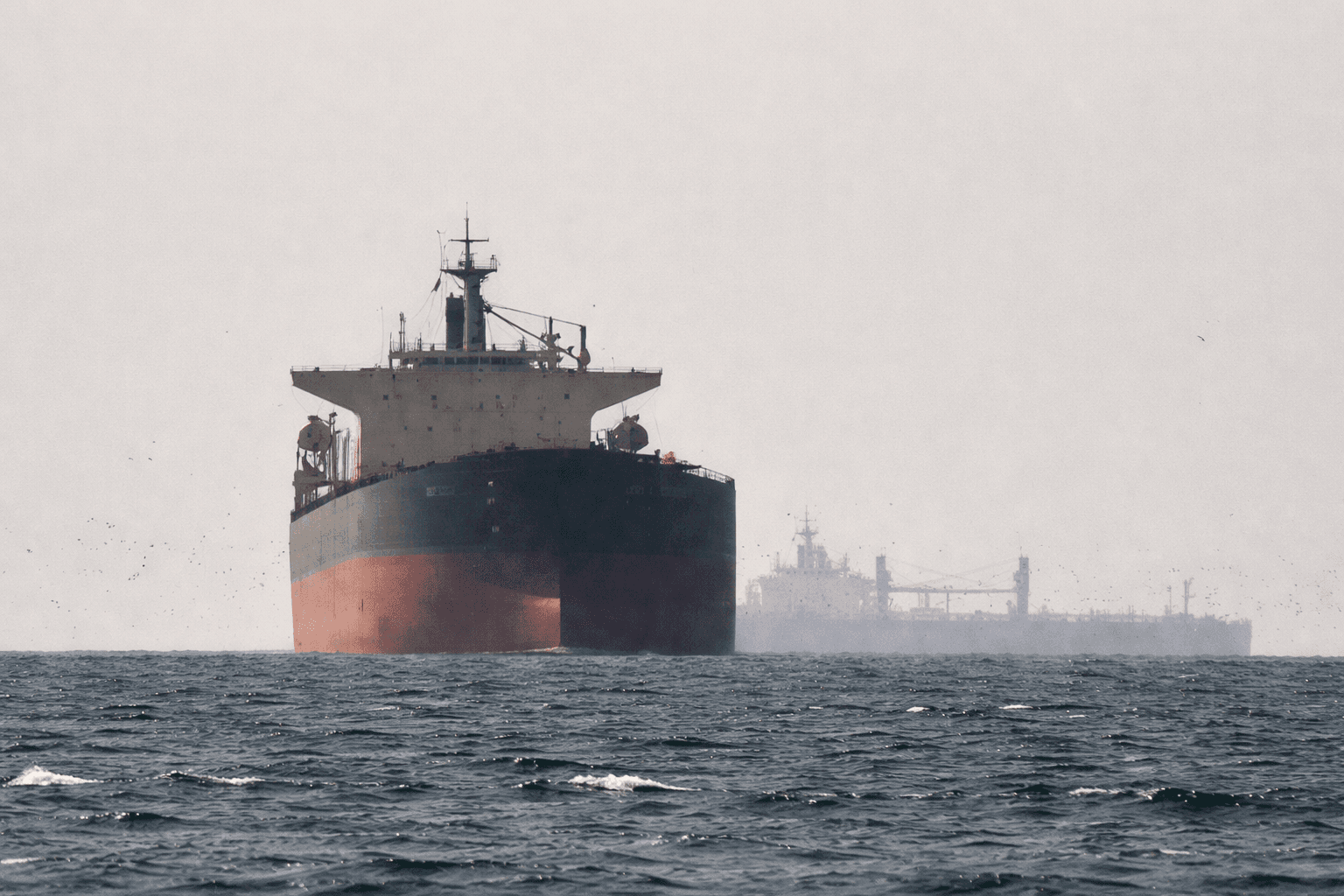
The successful Indian vessel Strait of Hormuz crossing marks a key moment in global trade recovery. An India flagged LPG tanker moved through one of the world’s most sensitive chokepoints. This happened soon after a ceasefire between the United States and Iran. The transit signals cautious stability. It also reflects renewed confidence among global shipping operators.
Understanding the Strategic Importance of the Strait
The Strait of Hormuz handles a significant share of global oil and gas flows. Nearly one fifth of the world’s petroleum supply moves through this narrow corridor. Any disruption here impacts global markets instantly. Therefore, even a single vessel’s safe passage carries strong symbolic value.
The First Indian Transit
The LPG carrier Jag Vikram became the first Indian vessel to cross the Strait after the ceasefire. The ship completed its journey without incident. This movement followed days of heightened tensions. Earlier, shipping companies had delayed or rerouted vessels due to security concerns.
However, the ceasefire created a temporary window of operational confidence. The successful transit confirmed that conditions had improved, at least in the short term.
Tensions That Disrupted Trade
The region witnessed escalating tensions between the United States and Iran. This raised fears of potential military confrontation. As a result, insurers increased premiums. Shipping firms exercised caution. Some vessels avoided the Strait altogether. These disruptions threatened energy supply chains. They also pushed oil prices higher due to uncertainty.
Key Developments That Enabled the Crossing
The ceasefire reduced immediate risks in the region. Naval monitoring and surveillance remained active. At the same time, maritime authorities coordinated closely with shipping operators. This ensured safer navigation through the corridor.
The Indian vessel’s movement reflects this coordinated effort. It also shows that commercial activity can resume when risks are managed effectively.
Energy and Shipping React
The successful crossing has immediate implications for global markets. Energy traders see this as a stabilizing signal. Shipping companies may gradually restore normal routes. However, they will remain cautious. Insurance costs may ease slightly if stability continues. Still, risk premiums are unlikely to return to pre crisis levels quickly.
A Measured Recovery
This event highlights how quickly global trade reacts to geopolitical shifts. The Strait of Hormuz remains highly sensitive. Even temporary stability can restore confidence. Yet, long term certainty remains unclear. India’s successful transit also reinforces its role in global energy logistics. It shows operational resilience under uncertain conditions.
What This Signals for Global Trade Stability
The Indian vessel Strait of Hormuz crossing suggests a cautious reopening of critical routes. However, the situation remains fragile. Markets will watch for consistency in safe passages. Any renewed tension could reverse current gains.
Therefore, this event should be seen as a positive signal, not a definitive shift.
A Small Movement With Global Significance
The safe passage of an Indian LPG tanker carries weight beyond its size. It reflects improving conditions in a volatile region. More importantly, it restores partial confidence in a vital global corridor. That confidence is essential for energy markets and trade flows. However, stability must hold. Only sustained calm can ensure long term recovery in shipping and energy supply chains.
FAQ's
Why is the Strait of Hormuz important?
It is a key global oil transit route. A large portion of the world’s energy supply passes through it.
Which Indian vessel crossed the Strait?
The LPG tanker Jag Vikram completed the transit successfully after the ceasefire.
What enabled the safe crossing?
The ceasefire between the United States and Iran reduced immediate security risks.
How does this impact global markets?
It improves confidence in energy supply routes and may stabilize oil prices in the short term.
Is the situation fully stable now?
No. The region remains sensitive, and stability depends on continued diplomatic balance.
Topics
Covering startup news, AI, technology, and business at ThePrimely. Delivering accurate, in-depth reporting on the stories that shape the future.