
US Ends Oil Waiver: What Does It Mean for India’s Russian Oil Strategy and Energy Security?
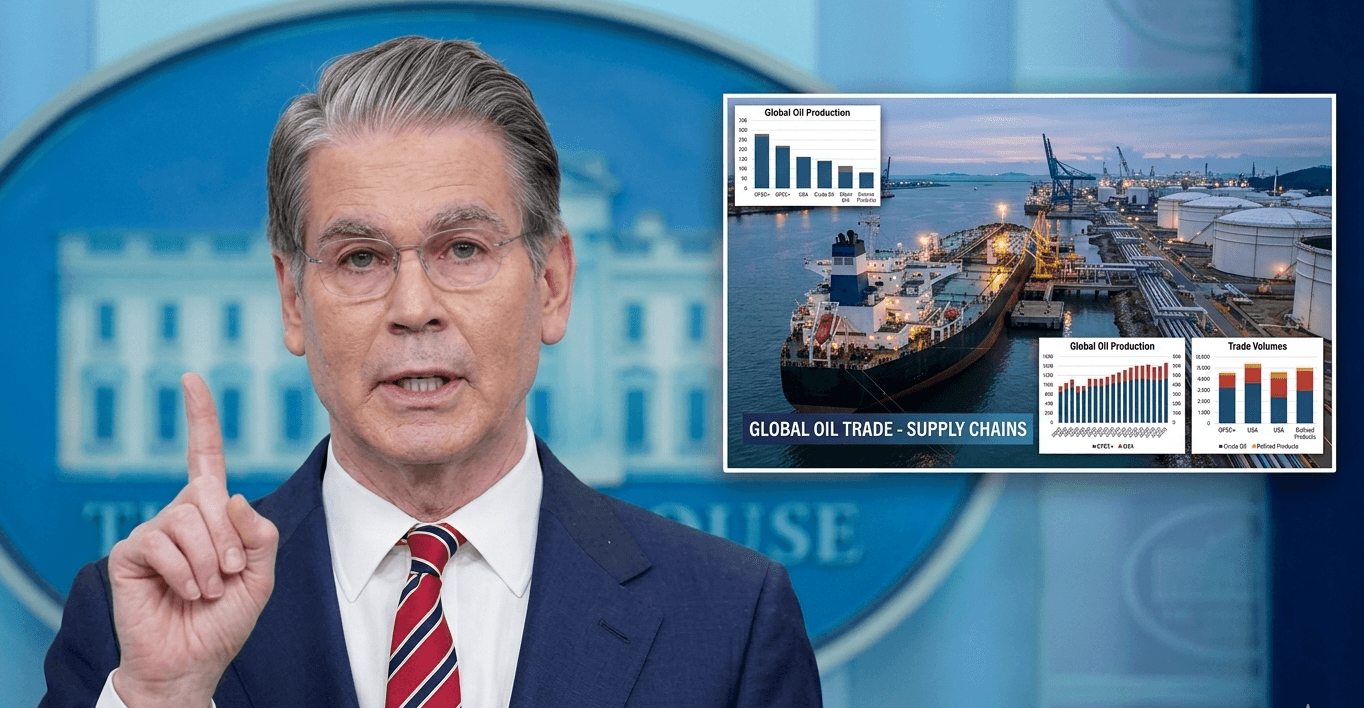
The India Russian oil waiver impact has become a critical issue after the United States decided not to extend sanctions relief. This decision marks a sharp shift in global energy dynamics. It also places India in a complex strategic position.
India has relied heavily on discounted Russian crude in recent years. Now, that strategy faces fresh uncertainty.
End of the US Sanctions Waiver
The United States confirmed it will not renew the temporary waiver that allowed limited Russian and Iranian oil trade. The waiver had enabled countries like India to purchase oil already in transit without penalties. It was introduced to stabilize global markets during supply disruptions.
However, with the waiver now expired, stricter sanctions return. This move signals a tougher US stance on restricting energy revenues for Russia and Iran.
Why India Is Deeply Exposed
India is one of the world’s largest oil importers. It depends on imports for over 88 percent of its crude needs. In recent months, Russian oil became central to India’s strategy. In March 2026, imports surged to nearly 2 million barrels per day. This accounted for about 44.4 percent of total imports.
This sharp rise was driven by two factors. First, discounted Russian crude reduced costs. Second, supply disruptions in West Asia forced diversification. As a result, India became one of the largest buyers of Russian oil globally.
Immediate Market Impact
The end of the waiver is expected to tighten supply conditions. Indian refiners may face difficulty accessing discounted Russian cargoes. This could lead to three immediate effects. First, procurement costs may rise. Russian crude often traded at a discount compared to global benchmarks.
Second, supply chains may become more complex. Payment mechanisms and shipping routes could face restrictions. Third, refiners may need to shift sourcing back to West Asia or explore alternative suppliers.
Why the Waiver Existed
The waiver was not a long term policy. It was a temporary measure introduced during a global energy shock. Geopolitical tensions, including disruptions in the Strait of Hormuz, reduced oil supply from traditional sources.
To stabilize prices, the US allowed limited flexibility. This helped countries like India secure energy without triggering market spikes. However, the latest decision shows that geopolitical priorities now outweigh market stabilization concerns.
Strategic Pressure on India
The move increases pressure on India’s energy diplomacy. The country must now balance three competing priorities. First, maintaining affordable fuel prices for domestic consumers. Second, managing relations with the United States, a key strategic partner. Third, preserving long standing energy ties with Russia.
Earlier tensions already linked oil imports to trade negotiations. The US had pushed India to reduce Russian purchases in exchange for tariff relief. This adds another layer of complexity to decision making.
Industry Response and Possible Adjustments
Industry experts expect a gradual adjustment rather than a sudden shift. Russian oil is likely to remain part of India’s mix, but volumes may fluctuate. Refiners could diversify sourcing. However, replacing Russian crude at scale remains difficult. Alternatives may not match the same pricing or availability.
At the same time, Russia has indicated it can adapt to sanctions. This suggests trade may continue through modified channels.
The Bigger Energy Challenge for India
The situation highlights a deeper structural issue. India lacks sufficient domestic energy resources. It must rely on imports in a volatile global market. Recent data shows that up to half of India’s oil imports passed through high risk zones like the Strait of Hormuz. This creates long term vulnerability. Any geopolitical disruption can directly affect supply and pricing.
What Lies Ahead for India’s Oil Strategy
India is unlikely to abandon Russian oil completely. Cost efficiency remains a key driver. However, the strategy will evolve. Expect more diversification across suppliers. India may also increase engagement with alternative markets. At the same time, refining flexibility and storage capacity will become more important. The government may also accelerate investments in energy security, including renewables and strategic reserves.
The India Russian oil waiver impact marks a turning point in global energy politics. The end of the waiver tightens supply conditions and raises strategic challenges. India now faces a complex balancing act. It must secure affordable energy while navigating geopolitical pressures. The immediate effects will be visible in pricing and sourcing patterns. However, the long term impact will shape India’s energy strategy for years.
FAQ's
1. Why did the US end the oil waiver?
The US aims to enforce stricter sanctions on Russia and Iran to limit their energy revenues.
2. How does this affect India?
India may face higher costs and supply challenges due to reduced access to discounted Russian oil.
3. Will India stop buying Russian oil?
Unlikely. India may reduce or adjust imports but will not completely stop due to cost advantages.
4. What alternatives does India have?
India can source oil from West Asia or other regions, though pricing and availability may differ.
5. What is the biggest risk for India?
Energy security remains the biggest concern due to heavy dependence on imported crude oil.
Topics
Covering startup news, AI, technology, and business at ThePrimely. Delivering accurate, in-depth reporting on the stories that shape the future.