
Trump’s Hormuz Blockade: What Does It Mean for Global Oil, Trade, and India?
A Sudden Escalation with Global Stakes
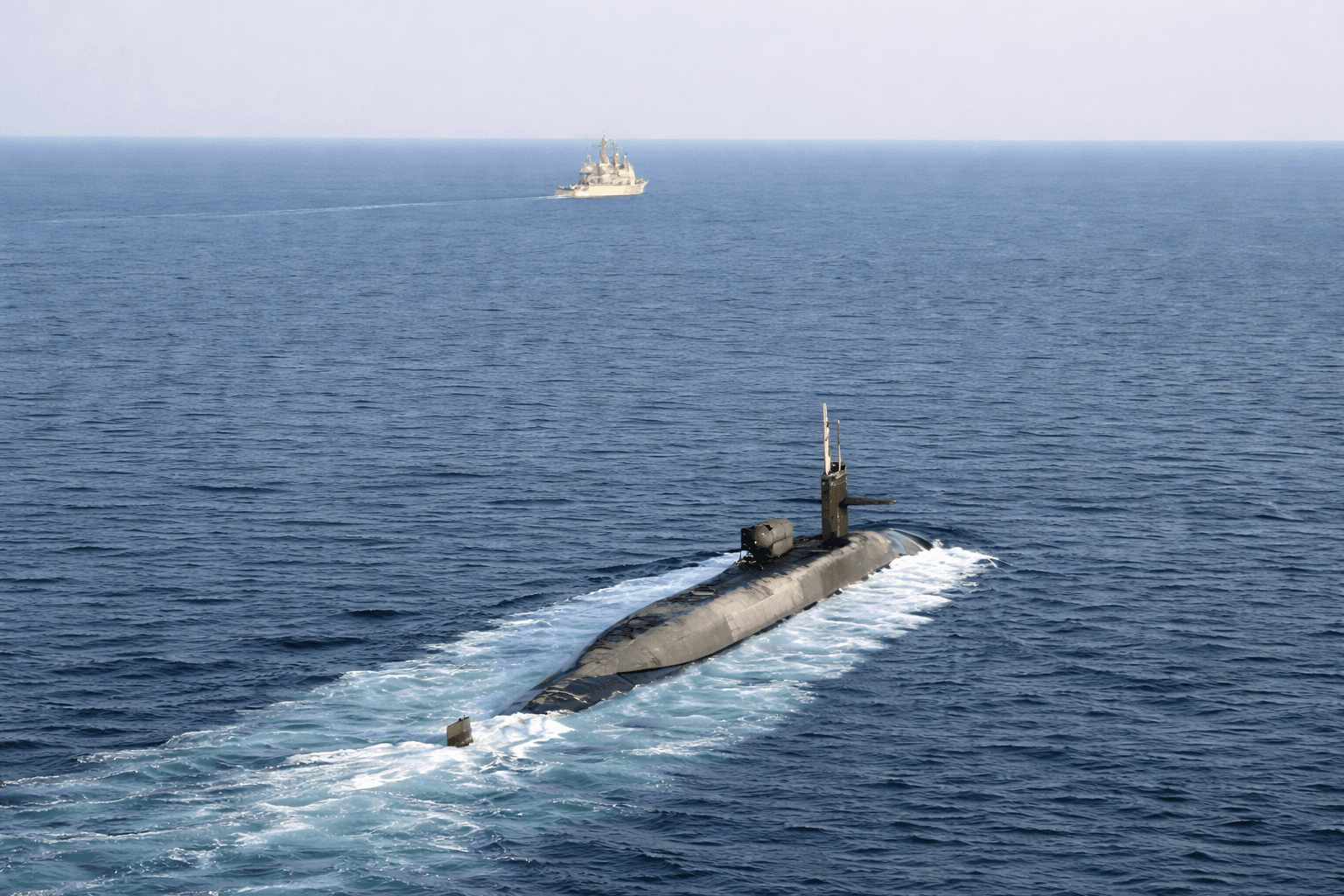
The Trump Hormuz blockade marks one of the most aggressive moves in recent maritime geopolitics. The United States has signaled its intent to block ships that pay transit tolls to Iran. This decision directly targets the Strait of Hormuz, a critical artery for global oil transport. This is not a symbolic move. It has immediate consequences for energy markets, shipping routes, and diplomatic stability.
Understanding the Strategic Importance of Hormuz
The Strait of Hormuz handles nearly 20 percent of the world’s oil supply. Any disruption here affects global energy prices within hours. The narrow passage connects the Persian Gulf to international waters, making it vital for countries like Saudi Arabia, Iraq, and the UAE.
Now, with the Trump Hormuz blockade in effect, the risk to supply chains has increased sharply. Even limited enforcement can create panic in markets.
What Triggered the Blockade Decision
The United States has accused Iran of leveraging toll systems and maritime pressure to expand influence in the region. In response, former President Donald Trump announced a naval blockade strategy. The objective is clear. Washington wants to restrict financial flows linked to Iranian-controlled shipping routes. However, the move also raises questions about legality and escalation.
Ships Stranded and Routes Disrupted
Reports confirm that several oil tankers have halted operations near the Strait. Notably, around 15 Indian vessels are currently stranded in the region. These ships are waiting for clarity before proceeding. At the same time, vessels carrying Iranian oil have anchored off India’s coast. This indicates a spillover effect beyond the Middle East. Shipping companies are now reassessing routes. Insurance costs are rising. Freight delays are becoming inevitable.
Impact on Global Oil Markets
The oil market reacts quickly to uncertainty. Even before full enforcement, prices have shown volatility. Traders expect tighter supply if the blockade persists.
A prolonged disruption could push oil prices significantly higher. This would affect inflation globally. Emerging economies would feel the pressure first. India, as a major oil importer, faces direct exposure. Higher crude prices could widen the trade deficit and strain fiscal planning.
India’s Strategic Position
India finds itself in a delicate situation. On one hand, it depends heavily on Middle Eastern oil. On the other, it must navigate diplomatic ties with both the US and Iran. The presence of stranded Indian vessels adds urgency. Any escalation could impact energy security and shipping costs.
Moreover, Indian refiners may need to diversify supply sources quickly. This transition is neither simple nor cost effective.
Strategic Implications for Global Trade
The Trump Hormuz blockade is not just about oil. It challenges the principle of free navigation in international waters. This sets a precedent that could influence future conflicts. If other nations respond with countermeasures, global trade routes may fragment. This would increase costs across industries. Additionally, tensions between major powers could deepen. Any military confrontation in the region would amplify risks exponentially.
What Comes Next in This Crisis
The situation remains fluid. Diplomatic channels are active, but uncertainty persists. Markets are watching closely for signs of escalation or de-escalation.
If enforcement intensifies, global supply chains will need rapid adjustments. Strategic reserves may come into play. Governments could intervene to stabilize markets. However, if negotiations succeed, the disruption may remain temporary. The next few days will be critical.
A Defining Moment for Energy Security
The Trump Hormuz blockade represents a turning point in global energy geopolitics. It blends economic strategy with military signaling. The immediate effects are already visible in shipping delays and market volatility. Yet, the long-term implications could be far more significant.
This crisis underscores a key reality. Global energy systems remain highly vulnerable to geopolitical shocks. Nations must now rethink resilience, diversification, and strategic preparedness.
FAQ's
What is the Trump Hormuz blockade?
It is a US move to block ships that pay tolls to Iran in the Strait of Hormuz.
Why is the Strait of Hormuz important?
It carries about 20 percent of the world’s oil supply, making it critical for global energy markets.
How does this affect India?
India faces stranded ships, higher oil prices, and potential supply disruptions.
Will oil prices rise بسبب this blockade?
Yes, even partial disruption can push prices higher due to supply uncertainty.
Is this a sign of war between the US and Iran?
Not necessarily, but it significantly increases tensions and the risk of escalation.
Topics
Covering startup news, AI, technology, and business at ThePrimely. Delivering accurate, in-depth reporting on the stories that shape the future.