
Why Is Trump Threatening Iran While Leaving Room for a Deal Amid Rising Hormuz Tensions?
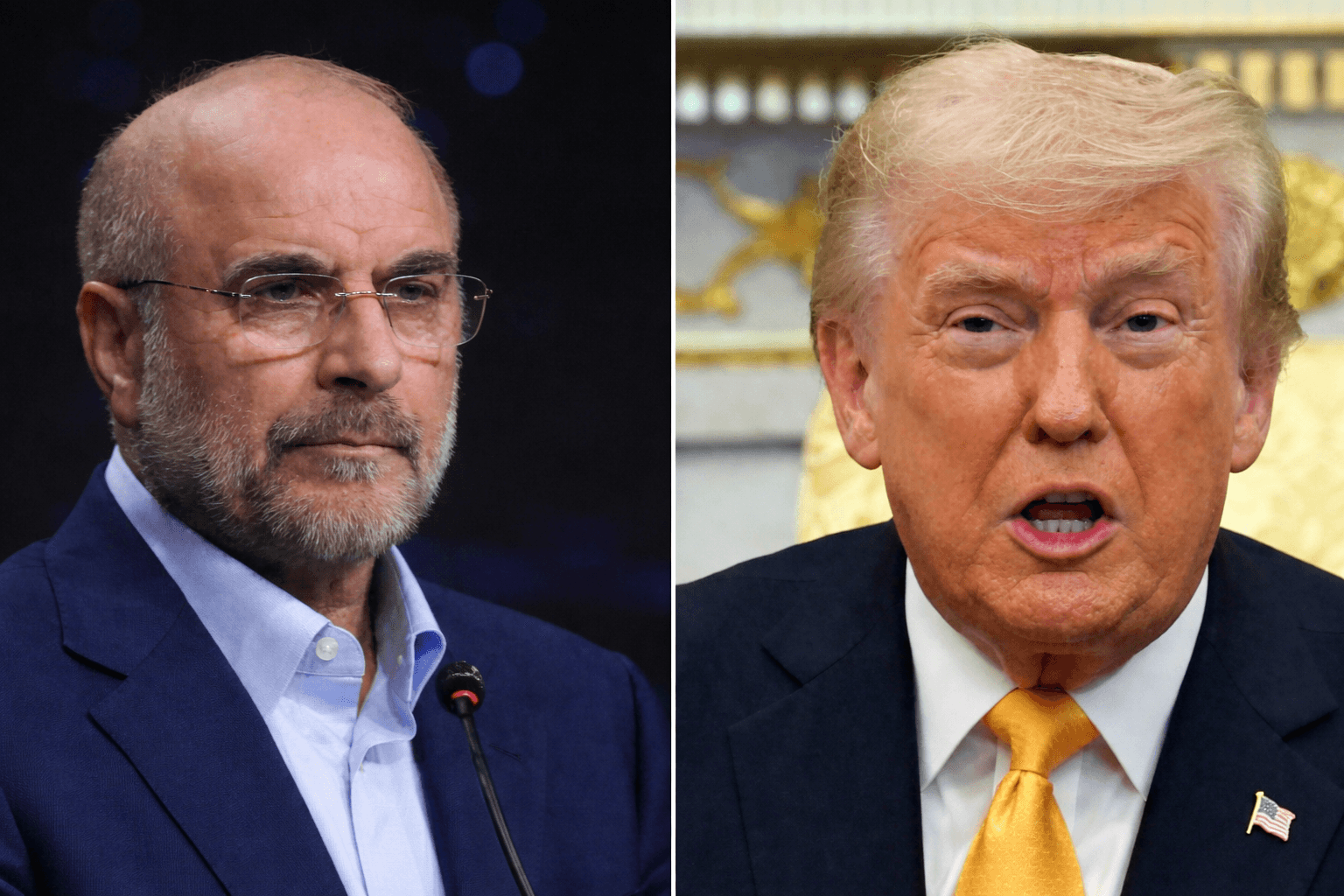
The latest escalation in Trump Iran tensions signals a complex geopolitical moment. Strong rhetoric has returned. Yet, diplomatic signals remain open. This dual approach is shaping global attention.
Recent statements from Donald Trump highlight this contradiction. He warned of possible fresh attacks on Iran. At the same time, he indicated willingness to negotiate a deal. This balance reflects both pressure and strategy.
What Triggered the Current Confrontation?
The tension intensified after claims linked to the Strait of Hormuz. Trump suggested potential actions affecting this critical route. The Strait handles nearly 20 percent of global oil shipments.
However, Iran strongly rejected these claims. Officials stated that multiple assertions made by Trump within a short period were false. This direct rebuttal added fuel to the situation. In response, Iranian officials also used sharp rhetoric. Some even mocked Trump publicly. This indicates how diplomatic communication has shifted toward open confrontation.
Why Hormuz Matters So Much
The Strait of Hormuz is not just a regional issue. It is a global economic lifeline. Oil from the Gulf passes through this narrow channel. Any disruption can impact oil prices instantly. It can also affect supply chains worldwide. Therefore, even verbal threats carry weight in financial markets.
Historically, tensions in this region have triggered volatility. Past incidents have shown how quickly risks can escalate.
Key Developments and Conflicting Claims
Trump’s recent statements included warnings of military action. However, he also emphasized that a deal with Iran remains possible. This dual messaging appears deliberate. On the other hand, Iran dismissed several claims made within a single hour. Officials labeled them inaccurate and misleading. This strong denial reflects deep mistrust.
Moreover, Iranian responses included both official statements and informal remarks. Some leaders suggested that the claims lacked credibility. This mix of responses shows a coordinated stance.
Market and Global Impact of the Standoff
The situation is already influencing global markets. Oil prices tend to react quickly to such developments. Even the possibility of disruption in Hormuz raises concerns. Investors closely watch these signals. Uncertainty increases volatility. Energy dependent economies feel the pressure first.
At the same time, global trade routes face indirect risk. Any escalation can affect shipping costs and insurance rates. This creates broader economic implications.
Strategic Signals Behind Trump’s Approach
Trump’s strategy appears to combine pressure with flexibility. On one side, he uses strong language to assert dominance. On the other, he keeps negotiation channels open. This approach is not new. It aligns with previous tactics used during earlier US Iran interactions. The goal often involves forcing concessions without immediate conflict.
However, this strategy carries risk. Mixed signals can lead to misinterpretation. In sensitive regions, that can escalate tensions quickly.
What This Means for Global Stability and Diplomacy
The current phase reflects a fragile balance. Neither side is stepping back fully. At the same time, neither is closing the door to diplomacy. This creates a prolonged period of uncertainty. Markets remain cautious. Governments monitor developments closely. If tensions rise further, the impact could extend beyond the region. Energy markets, trade flows, and political alliances may shift.
The evolving Trump Iran tensions highlight a critical moment in global geopolitics. Strong warnings and open diplomacy are unfolding together. This dual strategy may create leverage. However, it also increases unpredictability. The coming weeks will be decisive.
Global stakeholders must prepare for both outcomes. A deal could stabilize the region. Escalation could disrupt markets and security. The balance between pressure and diplomacy will define the next phase.
FAQ's
1. Why did Trump threaten Iran recently?
Trump issued warnings linked to Hormuz tensions while also signaling openness to negotiations.
2. What is the Strait of Hormuz?
It is a key global oil route through which nearly 20 percent of oil supply passes.
3. How did Iran respond to Trump’s claims?
Iran rejected multiple claims and called them false, while also responding with sharp rhetoric.
4. Will this affect global oil prices?
Yes. Any tension in Hormuz can lead to price volatility and supply concerns.
5. Is a US Iran deal still possible?
Yes. Despite tensions, diplomatic signals suggest that negotiations remain an option.
Topics
Covering startup news, AI, technology, and business at ThePrimely. Delivering accurate, in-depth reporting on the stories that shape the future.