
Why Is Singapore Refusing Hormuz Passage Negotiations and What Does It Signal to the World?
A Strategic Refusal With Global Implications
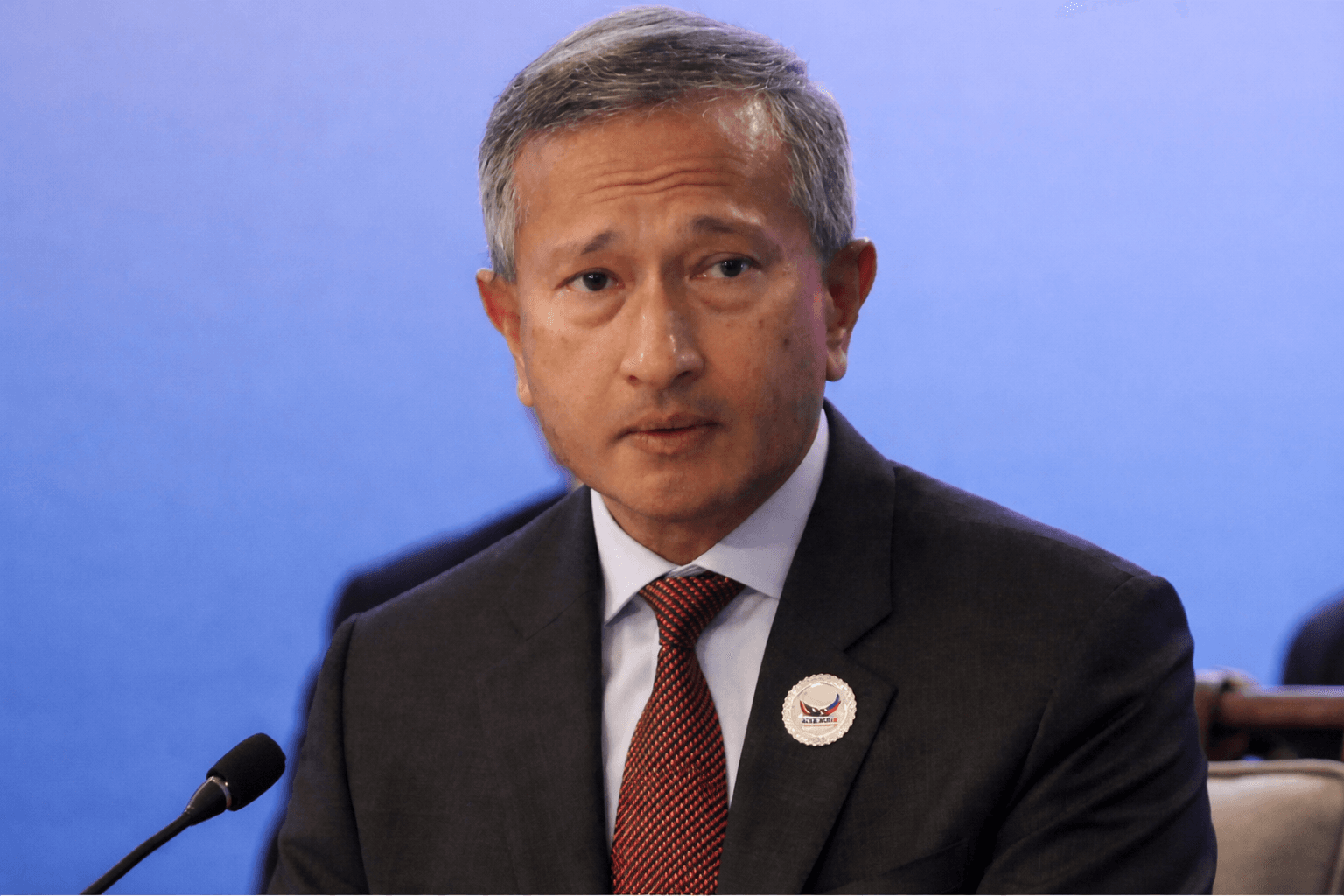
Singapore refuses Hormuz passage negotiation at a time of rising geopolitical tension. This decision is not tactical. It reflects a deeper principle tied to global maritime law. As tensions rise in the Middle East, this stance sends a clear signal. Singapore will not compromise on fundamental rights of navigation.
What Triggered the Decision
The Strait of Hormuz remains one of the most critical global shipping routes. A significant portion of the world’s oil supply flows through this narrow passage. Therefore, any disruption affects global markets instantly. Amid rising tensions involving Iran, concerns grew over safe passage for commercial vessels. Some countries considered negotiation as a solution.
However, Singapore rejected this approach. It made clear that passage through international waters is a right, not a privilege.
Why the Strait of Hormuz Matters
The Strait of Hormuz connects the Persian Gulf to global markets. Nearly one fifth of global oil shipments pass through this route. This makes it a strategic chokepoint for energy security.
Historically, geopolitical tensions in this region have led to threats of disruption. As a result, global shipping and energy markets remain highly sensitive. Singapore, as a major global trading hub, depends heavily on stable maritime routes.
A Principle Driven Policy Position
Singapore’s leadership clarified its position with precision. It stated that safe passage cannot be negotiated as a concession. Instead, it must remain a guaranteed right under international law.
This is a critical distinction. Negotiation would imply that access can be controlled or restricted. By refusing talks, Singapore reinforces the principle of freedom of navigation. This position aligns with long-standing global maritime frameworks.
Shipping and Oil Trade at Risk
The implications extend beyond diplomacy. Shipping companies rely on predictability. Any uncertainty increases insurance costs and operational risks. Oil markets react quickly to instability in the Strait of Hormuz. Even minor disruptions can trigger price volatility. Singapore’s stance adds clarity for global markets. It reduces ambiguity around policy direction, even if tensions remain high. However, risks still persist due to the broader regional conflict.
Why This Decision Matters
This decision reflects calculated strategic thinking. First, it protects international norms. If countries begin negotiating passage, it weakens global maritime law. Second, it safeguards long-term trade interests. Singapore depends on open sea lanes for economic stability. Third, it signals consistency. Global investors and partners value predictable policy positions.
However, this approach also carries risk. It limits flexibility in crisis situations. Yet, Singapore appears willing to accept this trade-off to uphold principle over short-term compromise.
A Defining Moment for Global Maritime Order
This moment could shape future maritime policy debates. If more countries adopt similar positions, global shipping norms will strengthen. On the other hand, continued tensions could test these principles in real scenarios. The balance between enforcement and diplomacy will define the next phase of global trade security.
A Firm Stand With Long-Term Consequences
Singapore refuses Hormuz passage negotiation with clear intent. It prioritizes principle over convenience. It defends the idea that international waters must remain open to all. This stance may not reduce immediate tensions. However, it strengthens the foundation of global maritime order. For policymakers and industry leaders, the message is direct. Stability depends not only on negotiation but also on unwavering commitment to global rules.
FAQ's
1. Why did Singapore refuse to negotiate Hormuz passage?
Singapore believes maritime passage is a right under international law, not something that should be negotiated.
2. What is the importance of the Strait of Hormuz?
It carries nearly one fifth of global oil shipments, making it critical for global energy supply.
3. How does this decision impact global shipping?
It reinforces legal clarity but does not eliminate risks from regional tensions.
4. Will this affect oil prices?
Indirectly, yes. Any instability in the region can influence oil price volatility.
5. What does this mean for global trade policies?
It strengthens the principle of free navigation and may influence future maritime policy decisions.
Topics
Covering startup news, AI, technology, and business at ThePrimely. Delivering accurate, in-depth reporting on the stories that shape the future.