
India’s oil dependence on West Asia rose to 54% just before Iran war
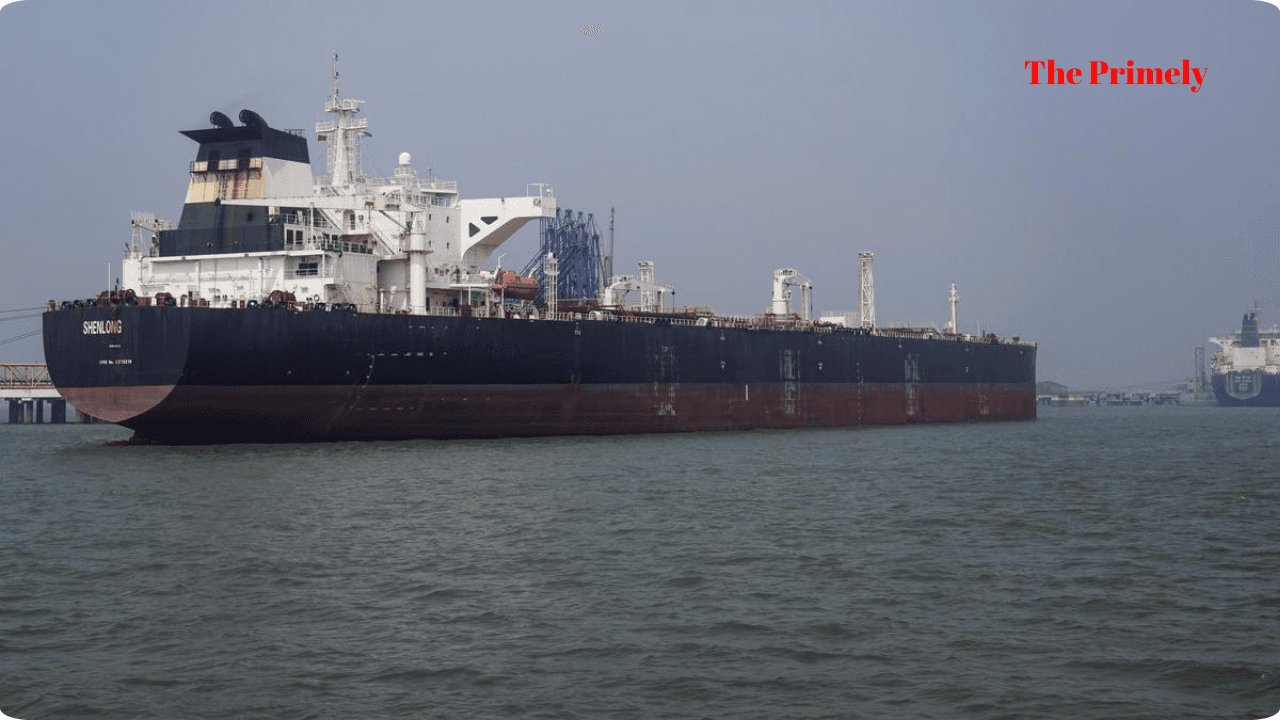
Why India’s Oil Dependence Suddenly Matters More Than Ever
India oil imports West Asia have quietly reached a critical level, and the timing could not be more sensitive. Just before the escalation of the Iran conflict, the region’s share in India’s crude imports rose to around 54%, sharply increasing the country’s exposure to geopolitical shocks.
This is not just a statistic. It is a warning signal. As tensions disrupt shipping routes and push prices higher, India’s energy security is now directly tied to the stability of West Asia in ways that are becoming difficult to ignore.
Background: How India Became So Dependent on West Asia
India has long relied on imported oil to meet its growing energy demand. As the world’s third-largest crude importer, it sources most of its fuel from overseas markets. Over time, West Asia has remained the most convenient and cost-effective supplier due to proximity and established trade routes.
Recent data shows that India’s oil import dependency has climbed steadily, crossing 90% overall. Within this, West Asia’s contribution increased significantly just before the Iran war, reflecting both pricing advantages and supply availability. However, this concentration also creates vulnerability when geopolitical tensions rise.
Key Developments: The 54% Dependence and Its Timing
The crucial shift came just before the outbreak of hostilities involving Iran, the United States, and Israel. India’s reliance on West Asian crude reached approximately 54%, making it the dominant source of imports.
At the same time, the Strait of Hormuz — a critical global oil route — became increasingly unstable. This passage handles a major portion of the world’s energy supply, and disruptions there have immediate global consequences. For India, which depends heavily on this route, even minor disruptions can trigger supply shortages and price volatility.
India Oil Imports West Asia: Risks Beyond Supply
The implications of this dependence go far beyond availability. Rising crude prices directly affect inflation, currency stability, and fiscal planning. India spends hundreds of millions of dollars daily on oil imports, making it highly sensitive to price swings triggered by conflict.
Logistical risks are also intensifying. Tankers have faced delays, insurance costs have surged, and supply chains are under pressure. In some cases, energy imports such as LPG have been severely affected, leading to domestic shortages and emergency policy responses. These developments highlight how closely India’s economy is tied to global energy flows.
Industry and Market Impact: Pressure on Economy and Policy
The immediate impact is visible in both markets and policy decisions. Oil marketing companies are facing rising input costs, which could affect pricing strategies and profitability. Meanwhile, government agencies have moved to monitor supply data closely to prevent shortages.
For consumers, the effects are already visible through rising fuel and cooking gas prices. Industries that rely heavily on energy inputs are also under strain, which could slow economic momentum if the situation persists. The broader concern is that prolonged instability could reshape India’s growth outlook.
Strategic Implications: Why Diversification Is No Longer Optional
The current situation has reinforced a long-standing policy challenge. India’s heavy dependence on a single region for energy supply limits its strategic flexibility. While diversification efforts have increased in recent years, they remain incomplete.
The crisis is forcing a re-evaluation of sourcing strategies, including greater reliance on alternative suppliers and investment in strategic reserves. It also highlights the need for long-term shifts toward renewable energy and domestic production. These changes, however, require time and sustained policy commitment.
Topics
Covering startup news, AI, technology, and business at ThePrimely. Delivering accurate, in-depth reporting on the stories that shape the future.