
Iran Embassy Hiring Indians: What Did the Viral Reply Really Mean?
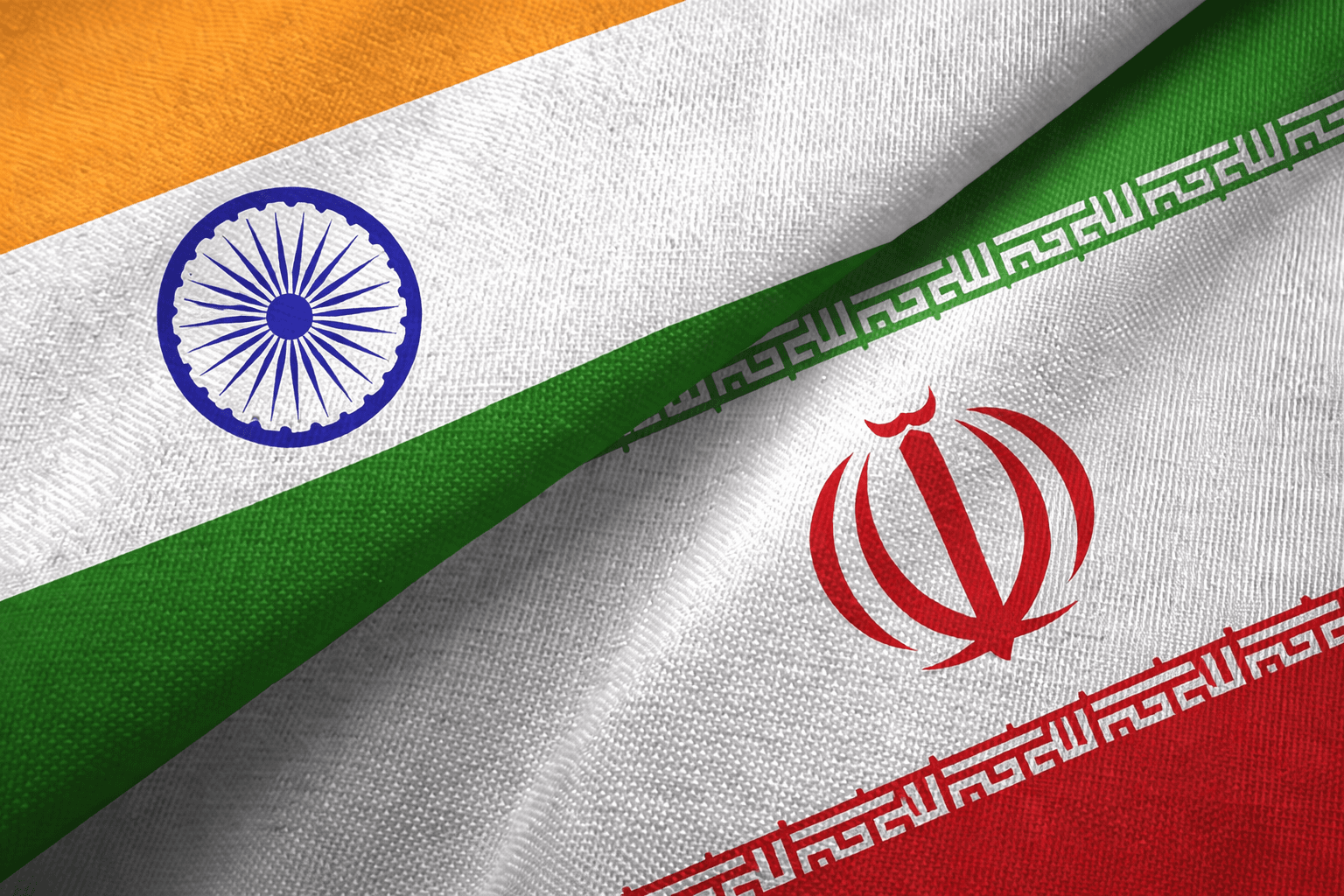
The question was simple. The response was unexpected. Yet, it triggered widespread attention across India.
A social media user asked the Iran embassy in Mumbai a direct question. Do you hire Indians? The reply was polite, warm, and quickly went viral. However, beneath the charm lies a more structured reality. This article examines what the response actually means, what embassy hiring policies look like, and why this moment matters.
The Viral Exchange Explained
The interaction began with a public query directed at the Iran embassy in Mumbai. The user asked if Indians could get jobs there. The embassy responded in a friendly tone. It acknowledged appreciation for Indians and expressed a “genuine” fondness. However, it also clarified that there were no current vacancies.
This balance made the reply stand out. It felt human, yet remained official. As a result, the response gained traction across platforms and media outlets. Importantly, the embassy did not announce hiring. It simply communicated good will alongside a factual update.
Understanding Embassy Hiring Policies
Embassies operate under strict frameworks. Hiring is not as open as in private companies. Most positions fall into two categories. First, diplomatic roles are reserved for citizens of the home country. Second, local staff roles may be offered to residents of the host country.
However, these local roles depend on availability. They also require specific skills, background checks, and security clearance. Therefore, the Iran Embassy Hiring Indians conversation must be seen within this structure. The absence of vacancies is not unusual. It reflects standard diplomatic practice.
Why the Response Resonated Online
Several factors explain the viral reaction. First, the tone was warm and respectful. In an era of formal institutional replies, this stood out. Second, it tapped into a broader aspiration. Many young Indians seek global or diplomatic exposure. Even a small signal of openness attracts attention.
Third, the timing mattered. With rising global curiosity about cross border opportunities, such interactions gain momentum quickly. As a result, the reply was interpreted beyond its intent. It became a symbol of possibility rather than a routine clarification.
India–Iran Relations
The response also reflects a deeper diplomatic layer. India and Iran maintain a long standing relationship. Trade, energy cooperation, and cultural ties continue to shape engagement. Soft communication like this helps reinforce goodwill. While it does not signal policy change, it strengthens perception.
Moreover, embassies today act as public facing institutions. Their digital voice carries strategic value. Even small replies can influence public sentiment.
What This Means for Job Seekers
It is important to stay realistic. Embassy jobs are limited. They follow formal recruitment processes. Most openings are published through official channels.
Therefore, individuals interested in such roles should focus on skills. Language proficiency, international relations knowledge, and administrative expertise are critical. At the same time, this episode highlights an opportunity. Engagement with institutions is becoming more accessible. Direct questions can sometimes yield clarity.
Broader Implications for Digital Diplomacy
This moment highlights a shift in how diplomacy operates. Embassies are no longer distant entities. They engage actively on social media. Their tone can shape perception instantly.
The Iran embassy’s response demonstrates effective communication. It remained accurate while being approachable. Going forward, such interactions may become more common. Institutions that balance clarity with warmth will stand out.
A Viral Moment with a Grounded Reality
The Iran Embassy Hiring Indians discussion is a case of perception meeting policy. The viral reply created excitement. However, the underlying message remained clear. There are no current openings, and hiring follows structured rules.
Still, the episode carries value. It reflects evolving communication in diplomacy. It also shows how quickly narratives can form. For readers, the key takeaway is simple. Stay informed, verify facts, and interpret viral moments with context.
FAQ's
1. Does the Iran embassy hire Indians?
Yes, but only for specific local roles when vacancies exist.
2. Were jobs announced in the viral reply?
No. The embassy clearly stated there are no current vacancies.
3. How can one apply for embassy jobs?
Through official announcements, government portals, or embassy communications.
4. Why did the reply go viral?
Because of its polite tone, relatability, and growing interest in global job opportunities.
5. Is this a policy change by Iran?
No. The response reflects standard diplomatic hiring practices, not a new policy.
Topics
Covering startup news, AI, technology, and business at ThePrimely. Delivering accurate, in-depth reporting on the stories that shape the future.