
Trump Iran ceasefire announced for two weeks as talks focus on Hormuz reopening
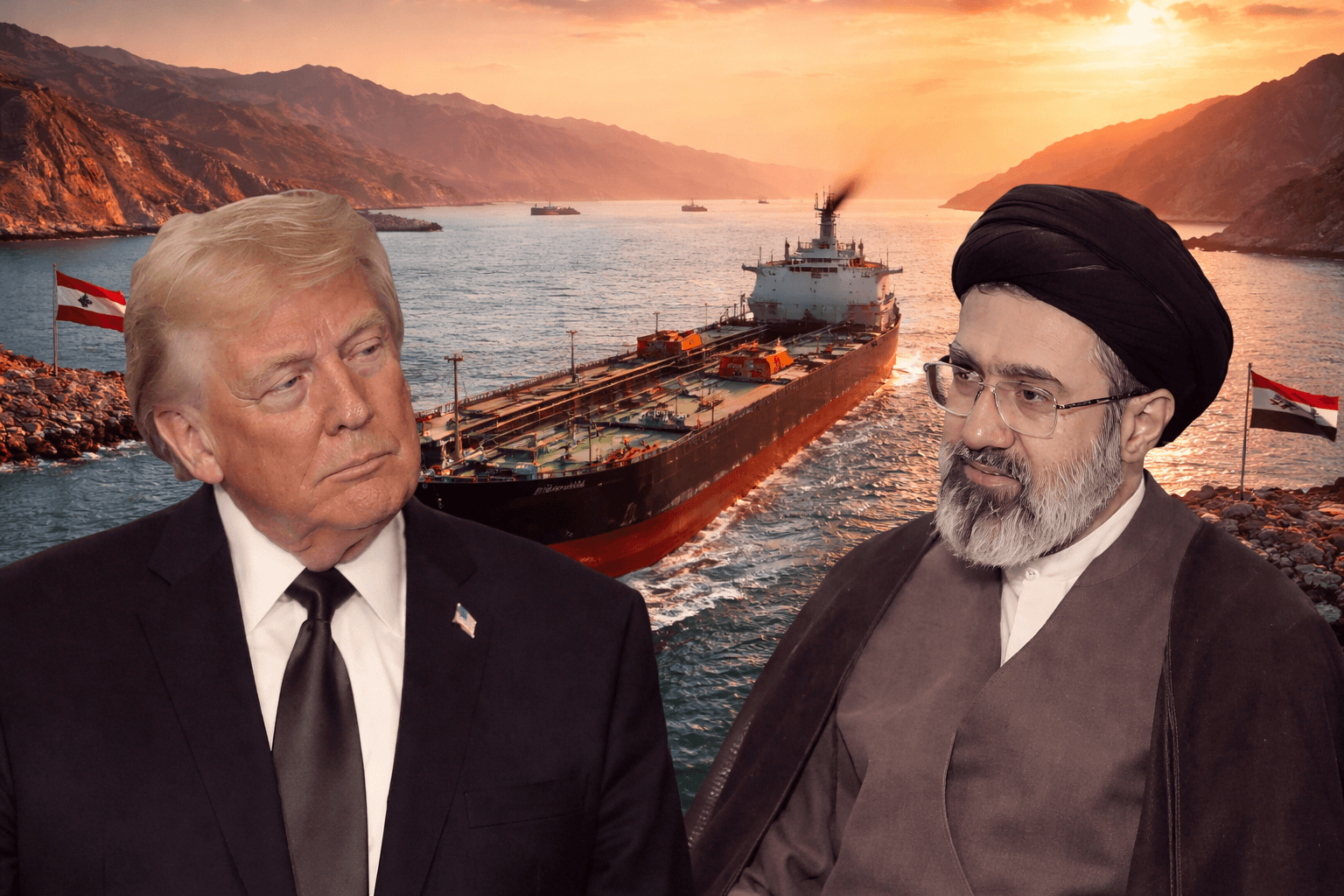
Pakistan mediation helps pause military action while negotiations continue over long-term agreement
Trump Iran ceasefire has been announced for a two-week period following diplomatic discussions involving Pakistan’s leadership. The United States said the temporary suspension of military action aims to create conditions for further negotiations with Iran.
US President Donald Trump stated that the decision followed conversations with Pakistan’s Prime Minister Shehbaz Sharif and military chief Field Marshal Asim Munir. The discussions reportedly focused on preventing further escalation and enabling progress toward a longer-term agreement.
Trump announced the ceasefire on the Truth Social platform, stating that both sides had already achieved key military objectives and were close to reaching a broader peace framework.

The temporary agreement includes provisions related to reopening the Strait of Hormuz, a critical maritime route for global energy shipments.
Role of Pakistan mediation in ceasefire negotiations
Pakistan played a diplomatic role in facilitating discussions between Washington and Tehran during a period of heightened tension.
Trump said Pakistani officials requested additional time to allow negotiations to continue and reduce the risk of further escalation.
Diplomatic observers note that regional actors often act as intermediaries in complex geopolitical conflicts due to strategic relationships with both parties.
Iran’s Foreign Minister Seyed Abbas Araghchi confirmed that Iran would suspend defensive operations if attacks against the country were halted.

He also expressed appreciation for mediation efforts supporting dialogue aimed at ending the conflict.
Analysts say mediation efforts reflect broader regional interest in maintaining stability in the Middle East.
Strait of Hormuz reopening remains central to negotiations
The Strait of Hormuz remains a key focus of discussions due to its importance in global oil supply chains.
Approximately one fifth of global oil shipments normally pass through the narrow waterway connecting the Persian Gulf to international markets.
Restrictions on shipping activity in the strait have contributed to increased volatility in energy markets in recent weeks.
Iran indicated that safe passage through the route would be possible during the ceasefire period through coordination with its armed forces.
Shipping companies and energy markets continue monitoring developments closely due to the potential impact on global fuel prices.
Analysts say restoration of stable shipping conditions could ease supply concerns affecting multiple economies.
Background to escalating tensions in Iran conflict
The conflict intensified in early 2026 following military strikes targeting strategic infrastructure across the region.
Since then, both sides have exchanged threats and conducted operations affecting energy facilities and transport routes.
The Strait of Hormuz became a central point of tension after Iran restricted passage of vessels linked to countries involved in the conflict.
Several deadlines were issued by the United States demanding reopening of the shipping route.
Global markets have experienced volatility due to uncertainty regarding the duration and impact of supply disruptions.
Observers say the ceasefire may provide an opportunity for diplomatic progress.
Iran’s response to ceasefire proposal
Iranian authorities stated that defensive operations would pause if attacks on Iranian territory were halted.
Officials confirmed that discussions were based on a proposed framework including multiple negotiation points related to regional security.
Statements indicated that technical coordination would be required to ensure safe navigation through the Strait of Hormuz.
Iran emphasised that maritime access could depend on implementation of agreed conditions.
Analysts say both sides may use the ceasefire period to negotiate detailed provisions of a broader agreement.
Diplomatic engagement during the temporary pause may influence the long-term trajectory of the conflict.
Impact of ceasefire on global markets and energy supply
Energy markets have closely tracked developments linked to the Iran conflict due to potential effects on oil supply.
Disruptions to shipping routes in the Gulf region have contributed to increased crude oil prices and volatility.
A ceasefire may reduce uncertainty in commodity markets if maritime transport resumes more consistently.
Economists say stable oil supply conditions can influence inflation outlook and production costs across industries.
Countries dependent on imported fuel remain particularly sensitive to developments affecting shipping routes.
Financial markets often respond to geopolitical signals that influence expectations of supply stability.
Diplomatic outlook following Trump Iran ceasefire announcement
Policy analysts say temporary ceasefires often serve as confidence-building measures supporting further negotiation.
The two-week timeframe may allow both sides to finalise details related to security arrangements and economic considerations.
Regional stakeholders are expected to continue monitoring developments affecting maritime trade routes and energy markets.
Observers note that diplomatic engagement may involve multiple international actors supporting negotiations.
The Trump Iran ceasefire highlights the continuing importance of diplomatic channels in resolving complex geopolitical conflicts.
Markets and policymakers continue to assess whether the temporary truce may lead to longer-term stability in the region.
Topics
Covering startup news, AI, technology, and business at ThePrimely. Delivering accurate, in-depth reporting on the stories that shape the future.