
Sam Altman House Attack: A Warning Signal for AI Leadership Security
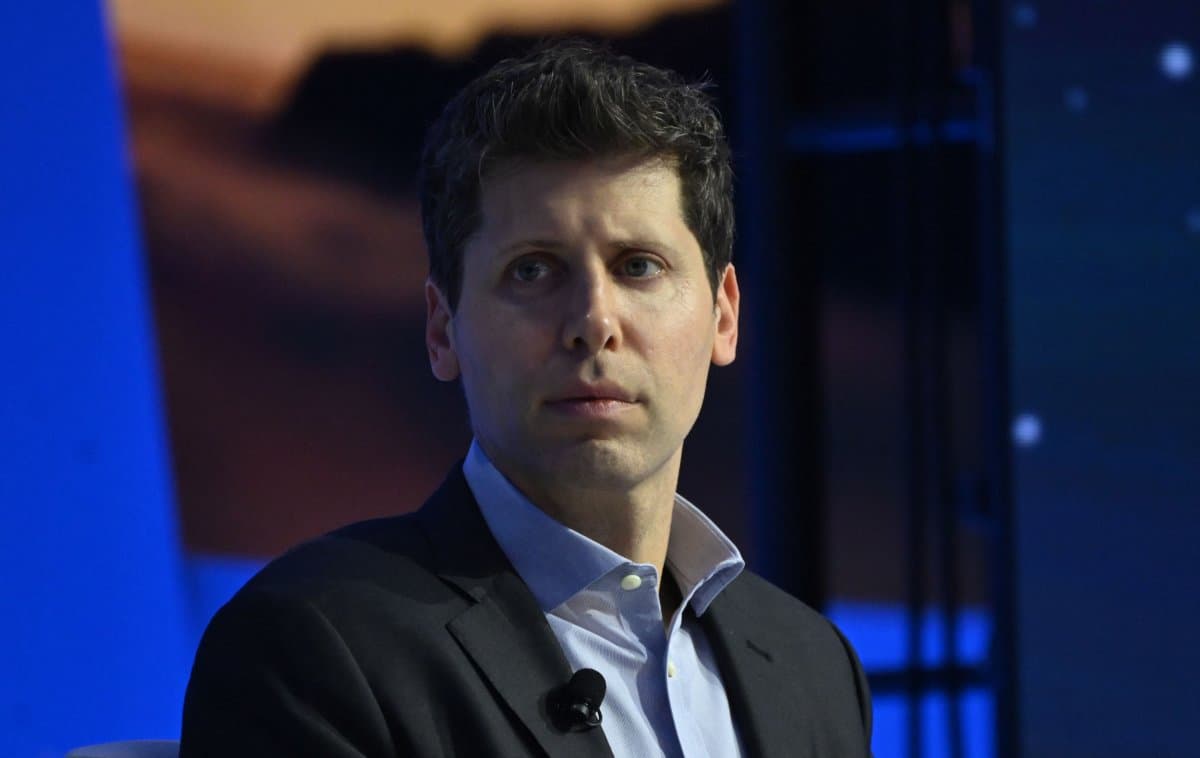
The second reported attack on the residence of Sam Altman marks a turning point in how the technology industry must think about executive safety. What initially appeared as an isolated incident has now evolved into a pattern. This raises deeper concerns for leadership within the artificial intelligence sector.
Authorities in San Francisco have arrested two suspects following the latest incident. While investigations continue, the broader implications are already clear. The growing influence of AI leaders is now intersecting with real world security risks.
Key Developments
Reports confirm that this is the second attack targeting Altman’s residence within a short time frame. Police responded quickly and detained two individuals connected to the incident. Although officials have not disclosed full details about motives, early findings suggest deliberate targeting rather than random activity. This distinction is critical. It indicates rising visibility and vulnerability of high profile AI executives. Law enforcement has increased monitoring in the area. However, the repeated nature of the incident signals that reactive measures may not be enough.
The Rising Visibility of AI Leaders
Over the past two years, AI has moved from niche innovation to global infrastructure. As the CEO of OpenAI, Sam Altman has become one of the most visible figures in this transformation. His role spans policy discussions, enterprise partnerships, and global AI governance. Consequently, his public exposure has increased significantly.
This visibility creates influence. At the same time, it creates risk. Historically, tech leaders operated behind corporate walls. Today, AI leaders are public figures shaping economic and societal outcomes. That shift changes the security equation.
Why This Incident Matters to the Industry
The Sam Altman house attack is not just a personal security issue. It reflects a broader structural challenge.
1. AI Leadership Is Now High Risk
AI executives are no longer just business leaders. They influence regulation, employment, and global competitiveness. As a result, they attract attention from multiple directions. Some attention is constructive. Some is not.
2. Security Models Are Outdated
Traditional executive protection strategies were designed for predictable corporate risks. However, AI introduces unpredictable public reactions. This requires a new approach. Companies must rethink both physical and digital security layers.
3. Public Sentiment Around AI Is Divided
AI adoption is accelerating. Yet, concerns around job displacement, ethics, and control are also rising. This creates tension. Incidents like this may be early indicators of how that tension manifests in the real world.
Rapid AI Adoption in Consumer Technology
While security risks rise, AI adoption continues to expand across devices. A recent trend highlights growing consumer acceptance of AI powered laptops. Initially, many users resisted the idea. However, improved performance, automation features, and productivity gains have changed perception.
This contrast is important. On one side, AI is becoming mainstream. On the other, its leaders face increasing scrutiny and risk. The gap between adoption and understanding remains wide.
Strategic Implications for Tech Companies
This incident should prompt immediate action across the technology sector.
Strengthening Executive Protection
Companies must move beyond basic security. They need integrated systems that combine physical protection, threat intelligence, and rapid response mechanisms.
Investing in Risk Communication
Clear communication about AI capabilities and limitations can reduce misinformation. This may help lower unnecessary hostility.
Aligning With Policy and Law Enforcement
Closer collaboration with authorities can improve preparedness. It also ensures faster response during incidents.
A New Phase of AI Responsibility
The Sam Altman house attack may represent the beginning of a new phase for the AI industry. Growth will continue. However, responsibility will expand alongside it. Leadership will require more than technical expertise. It will demand resilience, strategic communication, and advanced security planning. Organizations that adapt early will be better positioned. Those that delay may face higher risks.
The second attack on Sam Altman’s residence is a signal, not an anomaly. It highlights how deeply AI leadership now intersects with public life. As AI continues to shape industries, its leaders will face increasing visibility. With that visibility comes responsibility and risk.
The industry must respond proactively. Security, communication, and strategy must evolve together. This is no longer optional. It is foundational to sustaining trust and progress in the AI era.
FAQ's
1. What happened in the Sam Altman house attack?
Authorities reported a second attack on Sam Altman’s residence. Police arrested two suspects and continue investigating the motive.
2. Where did the incident take place?
The incident occurred in San Francisco, a major hub for global technology companies.
3. Why is this incident significant?
It highlights growing security risks for AI leaders and reflects rising public attention toward the industry.
4. Is this related to AI industry tensions?
While motives are not fully confirmed, broader tensions around AI adoption and impact may contribute to such incidents.
5. What should tech companies learn from this?
They must upgrade executive security, improve public communication, and align closely with law enforcement for risk management.
Topics
Covering startup news, AI, technology, and business at ThePrimely. Delivering accurate, in-depth reporting on the stories that shape the future.