
Why Are US Iran Talks Stuck Over $6 Billion Assets and What Happens Next?
A Diplomatic Opening Marked by Confusion
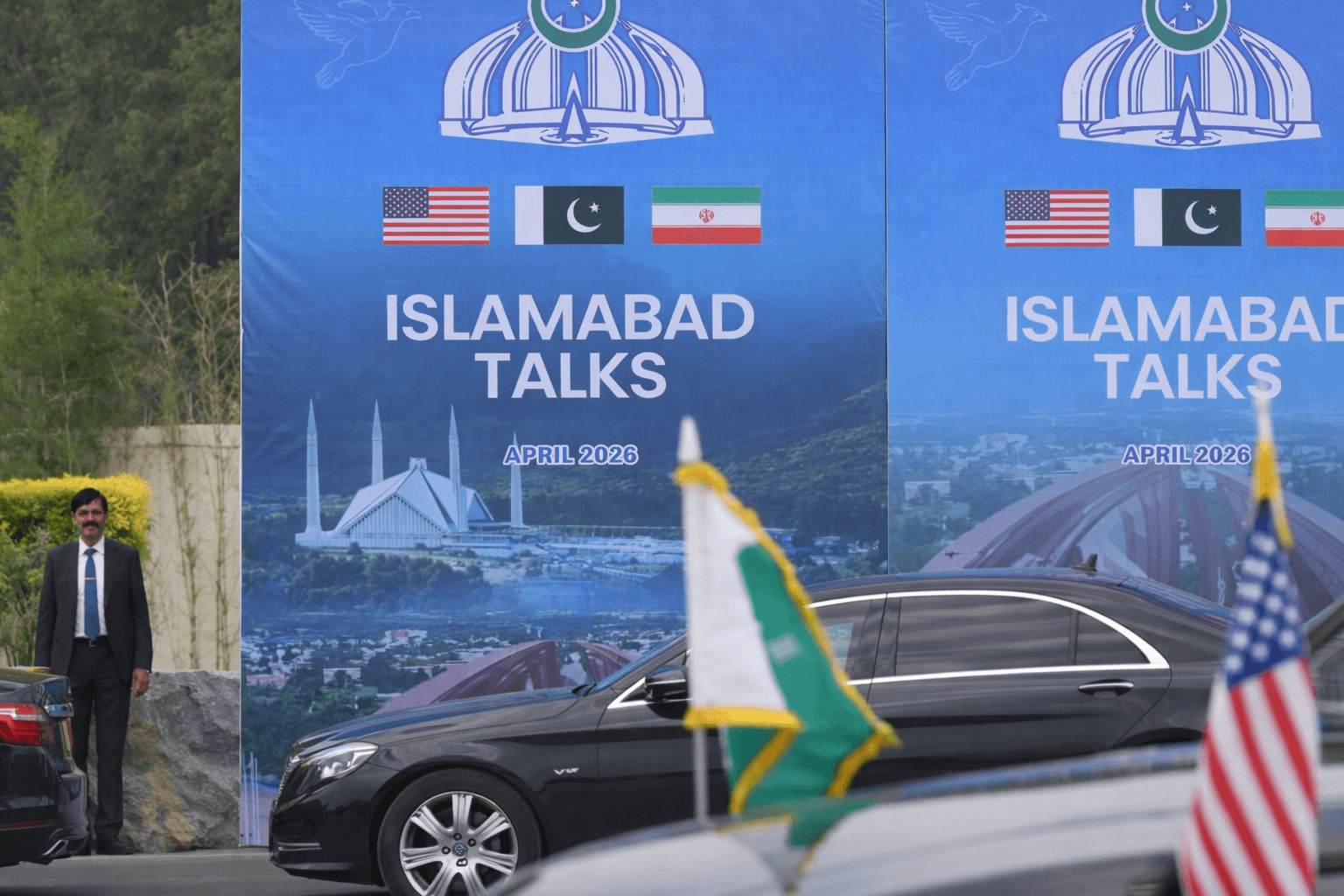
The latest round of US Iran talks frozen assets dispute has exposed a critical gap between messaging and reality. While negotiations have begun in Pakistan following a ceasefire understanding, confusion over $6 billion in Iranian funds has quickly taken center stage.
The United States has clarified that it has not agreed to unfreeze these assets. However, parallel reports suggest earlier signals of possible flexibility. This contradiction has created uncertainty at a sensitive moment.
Why These Assets Matter
The $6 billion in question belongs to Iran and remains frozen under US sanctions. These funds have long been a point of contention in diplomatic engagements.
Iran views access to these assets as essential. It sees them as a step toward economic relief. On the other hand, the US treats them as leverage in broader negotiations. This financial issue now sits at the core of trust between both sides.
What Happened in Pakistan Talks?
Negotiations between US and Iranian representatives recently commenced in Pakistan. These talks followed a fragile ceasefire understanding linked to rising tensions in the region. However, early optimism faded quickly.
Conflicting Signals from Washington
The White House has clearly stated that no agreement exists to release the $6 billion. Officials emphasized that sanctions policy remains unchanged. At the same time, earlier reports hinted at a possible arrangement tied to humanitarian use of funds. This has added to the confusion.
Iran’s Position
Iran expects tangible outcomes from the talks. Access to its frozen assets is a key demand. Without progress on this front, negotiations risk losing momentum.
Strategic Stakes Behind the Dispute
Impact on Regional Stability
The disagreement goes beyond finance. It directly affects stability in the Middle East. The Strait of Hormuz remains a critical flashpoint. Any escalation could disrupt global oil supply chains. Even minor tensions in this region influence energy prices worldwide.
Diplomatic Credibility at Risk
Mixed messaging weakens trust. For negotiations to succeed, both sides must align their public and private positions. The current situation shows a disconnect. This reduces confidence in the process.
Economic and Market Implications
Global markets are watching closely.
Oil prices often react to developments involving Iran. Any sign of escalation can push prices upward. Conversely, diplomatic progress can ease pressure. Investors also monitor sanctions policy. Changes in asset access could influence regional trade and financial flows.
What Comes Next in US Iran Talks Frozen Assets Debate?
The next phase of negotiations will depend on clarity. Both sides need to define realistic expectations. If the US maintains its current stance, Iran may push for concessions in other areas. This could include phased access to funds or limited relief mechanisms.
However, if the gap remains unresolved, talks may stall. Progress will require careful balancing. Security concerns, economic interests, and political messaging must align. The US Iran talks frozen assets issue highlights a deeper structural challenge. Negotiations today are no longer just about agreements. They are about credibility.
The $6 billion dispute is not only financial. It is symbolic of trust, leverage, and strategic intent. For meaningful progress, both sides must reduce ambiguity. Clear communication will be essential. Until then, the talks remain fragile, and the outcome uncertain.
FAQ's
What are the US Iran talks about?
They focus on easing tensions, maintaining ceasefire conditions, and addressing financial and sanctions related issues.
Why is the $6 billion important?
It represents Iranian funds frozen under US sanctions and is central to negotiation leverage.
Has the US agreed to unfreeze the assets?
No. The White House has stated clearly that no such agreement has been made.
Where are the talks taking place?
Recent negotiations have been held in Pakistan following a ceasefire understanding.
How does this affect global markets?
Tensions influence oil prices and investor sentiment, especially due to risks around the Strait of Hormuz.
Topics
Covering startup news, AI, technology, and business at ThePrimely. Delivering accurate, in-depth reporting on the stories that shape the future.