
Trump Iran war end plan considered even if Strait of Hormuz remains closed
Trump Iran war end plan signals strategic shift
Trump Iran war end plan is being considered even if the Strait of Hormuz remains closed, according to international media reports citing sources familiar with the discussions. The report indicates the United States may prioritise concluding military operations despite disruptions to one of the world’s most critical oil shipping routes.
The Wall Street Journal reported that President Donald Trump conveyed to aides that reopening the Strait of Hormuz may not be an immediate requirement for ending the conflict. The complex logistics required to fully restore maritime access could be addressed later.
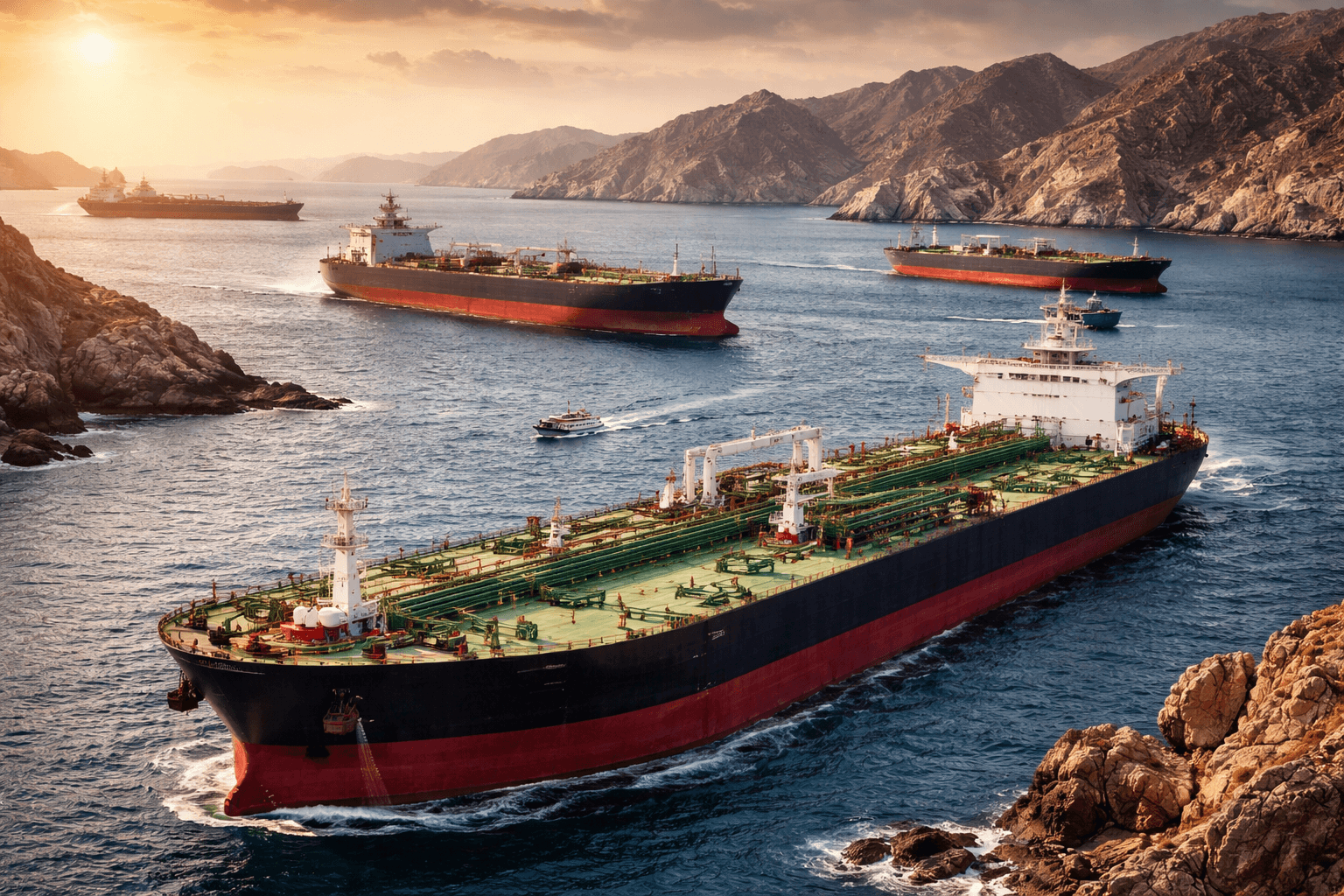
The Strait of Hormuz is a key global energy corridor through which roughly one fifth of the world’s oil supply is transported. Any prolonged disruption can significantly affect global energy markets and trade flows.
Strategic importance of Strait of Hormuz in Iran conflict
The Strait of Hormuz connects the Persian Gulf to global markets and plays a central role in transporting crude oil and liquefied natural gas. Since the conflict escalated in early 2026, shipping traffic through the corridor has declined sharply.
Data suggests vessel traffic fell significantly compared with normal levels of about 135 ships per day before the conflict began.
Iran has used control over the maritime chokepoint as a strategic lever in the conflict. Analysts note that restrictions on shipping can influence oil prices and increase pressure on energy-importing economies.
Earlier in March, the US administration warned Iran to reopen the waterway, even threatening strikes on energy infrastructure if access remained restricted.
Market reaction to Trump Iran war end plan
Financial markets responded quickly to reports suggesting the conflict could wind down. US stock futures rose while oil prices declined following news that the administration may consider ending the war without securing immediate reopening of the strait.
Market analysts said easing geopolitical risk expectations can influence investor sentiment, particularly in energy and commodities markets.
However, uncertainty remains regarding long-term stability of shipping routes and global oil supply chains.
Oil price volatility has been closely linked to developments in the Middle East conflict, with prices rising sharply during periods of escalation.
Diplomatic developments and conflicting signals
Reports indicate ongoing diplomatic communication involving regional mediators including Pakistan, Turkey, and Egypt. Some officials have suggested indirect talks are taking place to reduce tensions, although Iran has publicly denied direct negotiations with Washington.
The White House has indicated that its primary objectives include limiting Iran’s military capability and preventing nuclear development rather than focusing solely on reopening the Strait of Hormuz.
Analysts say shifting priorities may reflect changing strategic calculations as the conflict continues.
Meanwhile, Iran has maintained restrictions on shipping movement through the strait, allowing limited transit for selected vessels under controlled conditions.
Global implications of prolonged Hormuz disruption
Closure or restriction of the Strait of Hormuz can affect global trade beyond oil markets. Higher transport costs, increased insurance premiums, and supply chain delays may influence inflation levels across multiple economies.
Energy-importing countries in Asia remain particularly sensitive to developments in the region due to reliance on Gulf oil supplies.
International naval forces have explored escort missions to maintain safe passage for commercial vessels navigating the corridor.
Geopolitical observers say the evolving strategy may influence diplomatic engagement between global powers seeking to stabilise energy markets.
Ongoing developments in Middle East conflict
The conflict continues to involve multiple regional actors, including Israel and allied forces, contributing to heightened geopolitical uncertainty.
Recent developments suggest both military and diplomatic channels remain active as governments assess options to reduce escalation risks.
As discussions continue, the Trump Iran war end plan remains closely linked to broader geopolitical negotiations and evolving security considerations surrounding the Strait of Hormuz.
Topics
Covering startup news, AI, technology, and business at ThePrimely. Delivering accurate, in-depth reporting on the stories that shape the future.