
Akshaya Tritiya 2026 Gold Demand: Why Are Buyers Investing Despite Record Prices and Lower Volumes?
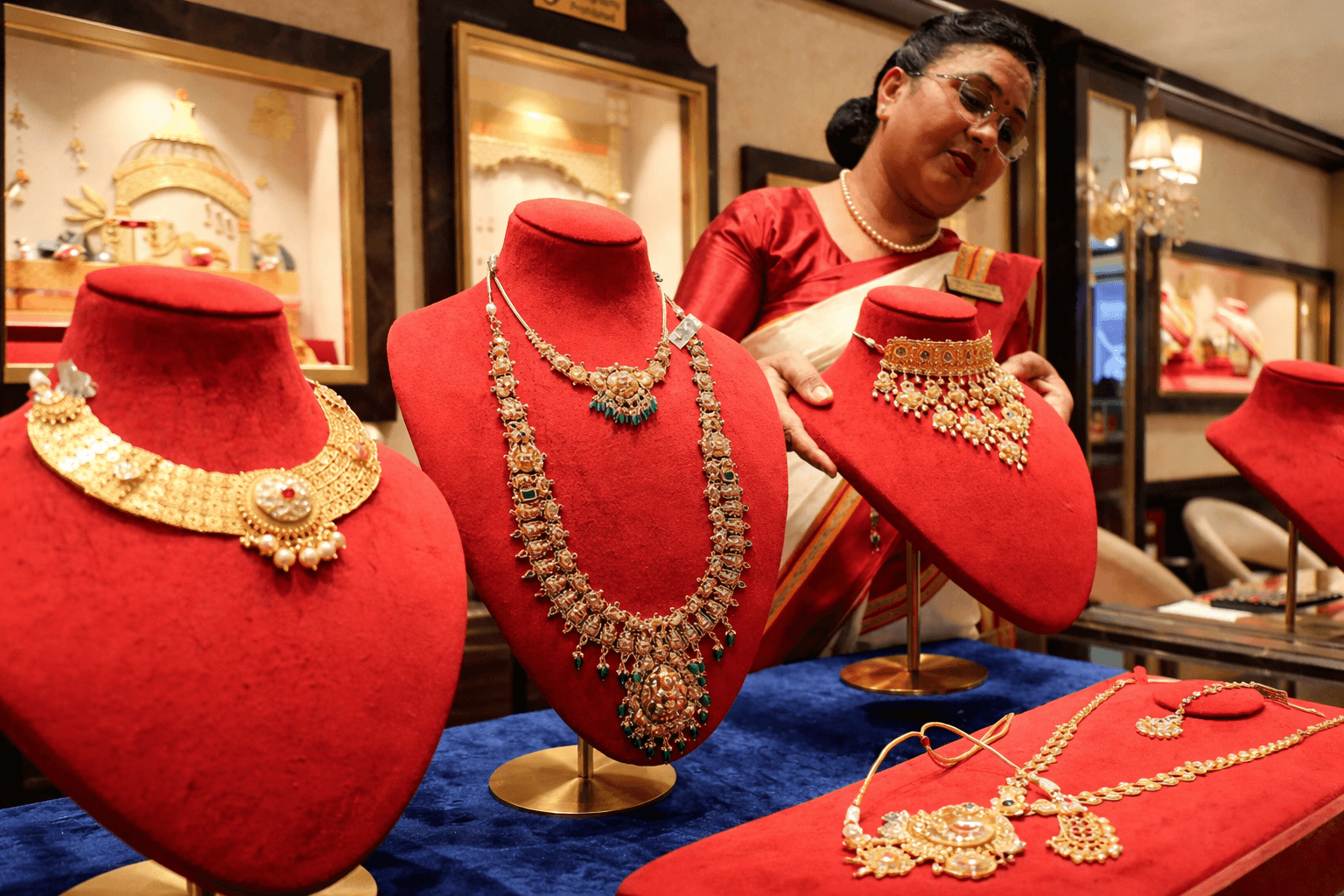
A Record Breaking Market With a Surprising Twist
Akshaya Tritiya 2026 gold demand presents a striking contradiction. Prices are at historic highs, yet total trade is expected to cross ₹20,000 crore.
This marks a sharp rise from last year’s ₹16,000 crore. However, volumes have declined. Consumers are buying less quantity but spending more value. This shift reflects a deeper transformation in how Indians approach gold investment.
What Is Driving Demand Despite High Prices
Gold prices have surged over 60 percent in the past year. Several global factors are behind this rally. These include geopolitical tensions, central bank buying, and economic uncertainty. As a result, gold has reinforced its position as a safe asset.
At the same time, Akshaya Tritiya remains culturally powerful. The belief that purchases on this day bring lasting prosperity continues to drive demand. Therefore, emotional value and financial logic are converging.
Changing Buying Behavior in 2026
While total spending is rising, buying patterns are shifting significantly. Consumers are now choosing lightweight jewellery instead of heavy designs.
Silver purchases are increasing as a lower cost alternative.
Digital gold and sovereign bonds are gaining traction among younger investors. This indicates a move toward value driven decisions rather than volume driven buying.

Why Volumes Are Falling Even As Value Rises
The gap between price and affordability is widening. Gold prices have touched levels near ₹1.5 lakh per 10 grams in 2026.
As a result, households are adjusting their strategy. Instead of postponing purchases, they are reducing quantity. This behavior ensures participation in tradition while managing financial pressure.
A Structural Shift in the Gold Economy
The Akshaya Tritiya 2026 gold demand trend signals a structural change. Retailers are adapting their inventory toward lighter products.
Digital platforms are expanding gold investment access.
Silver is emerging as a parallel demand driver.
Moreover, the industry is witnessing a shift from consumption to investment orientation.
Strategic Insight: Gold Is Evolving Beyond Tradition
Gold is no longer just a cultural purchase. It is increasingly treated as a financial asset. Historical data shows strong returns around this period, with gains ranging up to 63 percent in recent cycles. Experts now see gold as a core portfolio component rather than a seasonal buy. This shift aligns with global investment trends.
What Lies Ahead for Gold Investors
The outlook remains strong but selective. Market experts suggest that prices could move toward ₹2 lakh per 10 grams in the next cycle if current trends continue.
However, volatility is expected. Therefore, staggered investment strategies and diversification will become essential. Investors are likely to balance physical gold with digital and financial alternatives.
Tradition Meets Financial Discipline
Akshaya Tritiya 2026 gold demand highlights a clear transition. India is not buying less gold. It is buying smarter. Consumers are balancing tradition with financial discipline. Meanwhile, the market is evolving to support this shift. This moment reflects a broader truth. Cultural habits remain strong, but investment behavior is becoming more strategic.
FAQ's
1. Why is gold demand high in Akshaya Tritiya 2026?
Despite high prices, cultural beliefs and gold’s investment value continue to drive demand.
2. How much trade is expected this year?
Gold and silver trade is expected to exceed ₹20,000 crore.
3. Are people buying less gold in quantity?
Yes, volumes have declined as buyers prefer smaller or lightweight purchases.
4. What alternatives are gaining popularity?
Silver, digital gold, and sovereign gold bonds are seeing increased interest.
5. Can gold prices rise further?
Experts believe prices may approach ₹2 lakh per 10 grams in the next cycle.
Topics
Covering startup news, AI, technology, and business at ThePrimely. Delivering accurate, in-depth reporting on the stories that shape the future.