
Lenskart Dress Code Update: Why Did the Company Redefine Workplace Expression and Professional Standards Now?
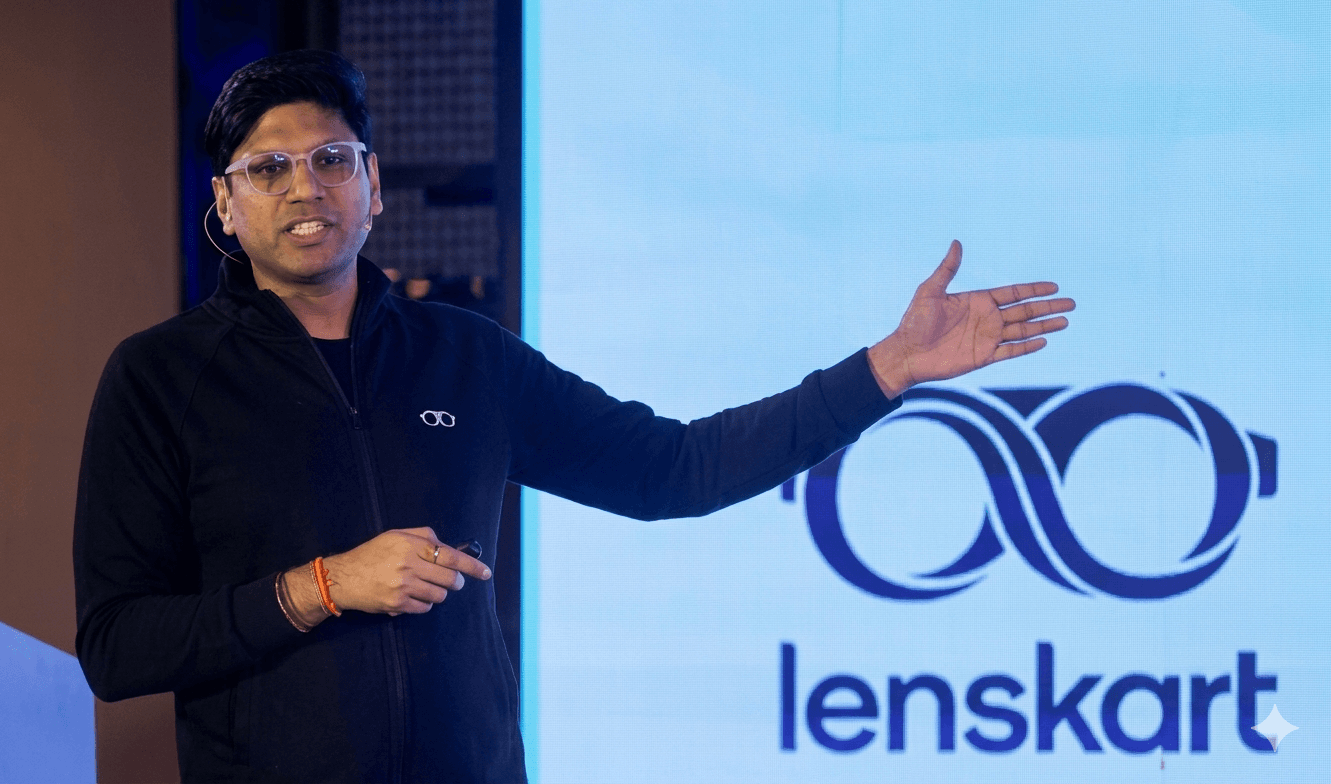
A Policy Shift Triggered by Public Scrutiny
The Lenskart dress code update marks a decisive response to recent public debate around employee expression. The company faced scrutiny after reports linked workplace appearance rules with restrictions on religious symbols.
In response, Lenskart issued a revised style guide. The update aims to balance individual identity with consistent brand presentation across stores.
What the New Lenskart Dress Code Update Clearly States
The updated policy allows employees to wear religious symbols. This includes items such as hijabs, bindis, sindoor, and tilak. The company has clarified that such expressions are part of personal identity. At the same time, the policy tightens rules on overall appearance. It restricts casual elements like ripped jeans and open footwear. Employees must follow a more formal and uniform look while on duty.
This dual approach reflects a structured attempt to maintain inclusivity without compromising professional standards.
Context Behind the Policy Revision
The change follows controversy involving employee appearance at retail outlets. Public conversations questioned whether corporate policies were limiting cultural or religious expression.
As the discussion gained traction, Lenskart moved quickly to clarify its stance. The revised guidelines position the company as supportive of diversity while maintaining operational discipline. This context is critical. It shows how consumer perception can directly influence corporate policy decisions in real time.
Key Developments and Internal Alignment
The company communicated the updated style guide across its retail network. It emphasized that employees should present a clean and professional image. Importantly, the policy does not treat religious symbols as exceptions. Instead, it integrates them into the broader framework of acceptable workplace attire.
This distinction matters. It signals a shift from reactive clarification to structured policy alignment.
Impact on Retail Industry Standards
The Lenskart dress code update could influence wider retail practices in India. Large consumer brands often set benchmarks for workplace policies. By allowing religious expression while enforcing uniform standards, Lenskart introduces a hybrid model. This model balances inclusivity with brand control.
Other retail chains may adopt similar frameworks. As competition intensifies, companies must align both employee satisfaction and customer experience.
Strategic Implications for Brand Positioning
This move strengthens Lenskart’s brand positioning. It sends a clear message of inclusivity without diluting professionalism. In today’s market, perception drives value. Companies that respond quickly to cultural concerns often gain trust. At the same time, consistency in store experience remains critical.
The updated policy addresses both priorities. It reduces reputational risk while reinforcing operational clarity.
What This Means for Workplace Culture Going Forward
The Lenskart dress code update highlights a broader shift in workplace culture. Employees increasingly expect recognition of identity. Employers must respond with clarity and fairness. This case shows that flexibility does not mean lack of structure. Instead, it requires well defined boundaries.
As retail expands across diverse regions, such policies will become essential. Companies must design guidelines that respect individuality while ensuring consistency.
A Calculated Balance Between Identity and Brand Discipline
The Lenskart dress code update is a measured response to a sensitive issue. It avoids extremes and focuses on balance. By allowing religious symbols and enforcing professional attire, the company sets a clear standard. This approach protects both employee expression and brand image.
Ultimately, the policy reflects a deeper trend. Modern businesses must integrate cultural awareness into operational strategy.
FAQ's
1. What changes were made in the Lenskart dress code update?
The policy now allows religious symbols like hijabs, bindis, and tilak while restricting casual wear such as ripped jeans.
2. Why did Lenskart update its dress code?
The change followed public debate over workplace expression and aimed to clarify the company’s stance on inclusivity.
3. Are employees allowed to wear religious items at work?
Yes, the updated policy explicitly permits religious symbols as part of personal identity.
4. What clothing is restricted under the new policy?
Items like ripped jeans and open footwear are not allowed to maintain a professional appearance.
5. How does this impact the retail industry?
It may set a benchmark for balancing inclusivity with uniform brand standards across retail organizations in India.
Topics
Covering startup news, AI, technology, and business at ThePrimely. Delivering accurate, in-depth reporting on the stories that shape the future.