
Iran Crisis Boosts U.S. Crude, Raising Questions Over Trump Strategy
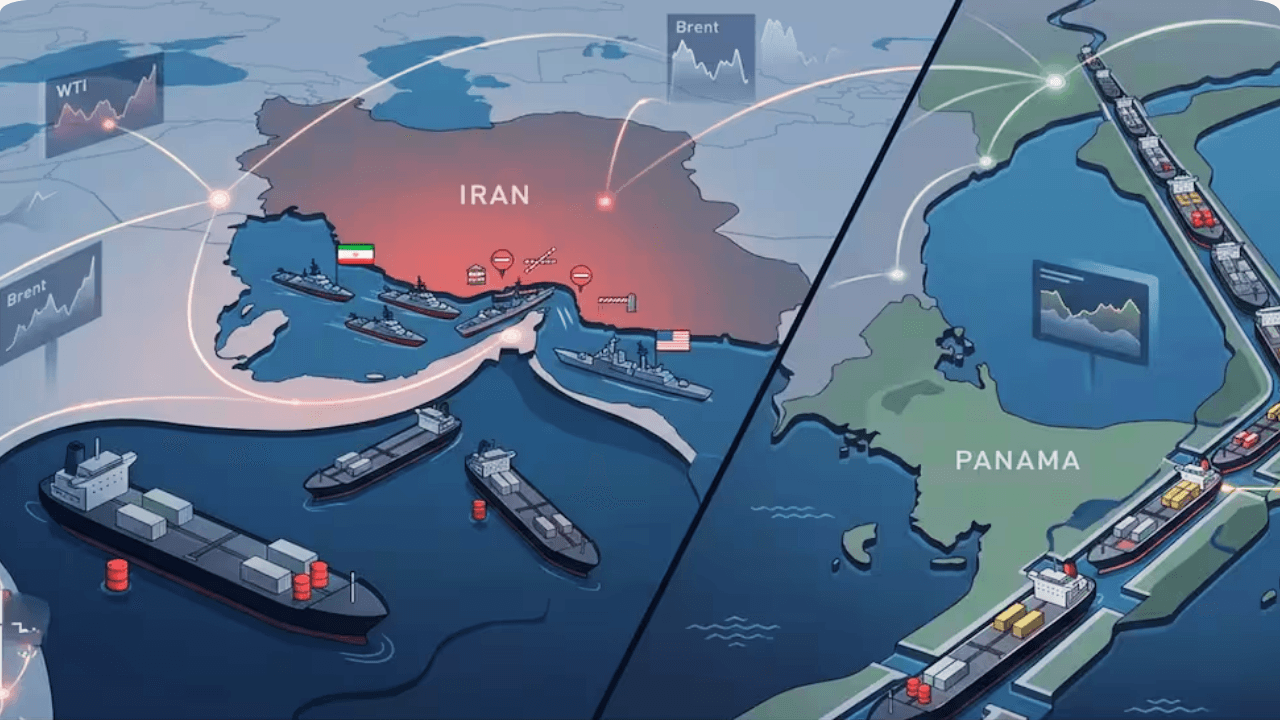
The Hormuz blockade oil impact is now reshaping global energy markets, as disruptions in the Strait of Hormuz force a major shift in oil trade routes. The blockade, triggered by the ongoing Iran conflict, has significantly reduced shipping through one of the world’s most critical energy chokepoints.
Under normal conditions, the strait carries nearly 20% of global oil supply, making any disruption immediately visible in global markets.
Recent developments show that shipping traffic has dropped sharply, with only a fraction of vessels able to pass through the route amid escalating tensions.
Rising Costs: The Panama Route
With the Strait of Hormuz effectively restricted, oil shipments are being rerouted through alternative paths, most notably the Panama Canal. However, this shift comes at a steep cost.
According to reports, crossing the Panama Canal can cost up to $4 million per shipment, significantly increasing transportation expenses for global oil trade.
This increase in logistics costs is adding pressure on oil prices and contributing to broader inflation concerns worldwide.
US Crude Gains Momentum
One of the most significant outcomes of the Hormuz blockade oil impact is the rising demand for U.S. crude oil. As Middle Eastern supplies face disruptions, buyers are increasingly turning to American exports as a more stable alternative.
This shift has created a US-centric tilt in global oil flows, with U.S. crude gaining a pricing advantage over other benchmarks.
The trend highlights how geopolitical disruptions can rapidly alter global trade dynamics.
Shipping Crisis and Market Reactions
The blockade has also triggered a wider shipping crisis. Hundreds of vessels are stranded or rerouted, and maritime activity has fallen drastically.
In some cases, ship traffic has dropped from over 100 vessels per day to just a handful, underscoring the severity of the disruption.
Oil prices have responded with volatility, rising as markets react to supply uncertainty and logistical challenges.
Strategic Implications
The situation reflects a broader shift in global energy geopolitics. Control over key chokepoints like the Strait of Hormuz has become a powerful strategic tool.
Countries that can offer alternative supply routes, such as the United States, stand to gain influence in global energy markets. At the same time, reliance on such chokepoints exposes vulnerabilities in global supply chains.
Topics
Covering startup news, AI, technology, and business at ThePrimely. Delivering accurate, in-depth reporting on the stories that shape the future.