
Gurjeet Singh Khalsa End 560-Day Tower Protest, What Does It Signal for Public Movements?
A rare protest that captured national attention
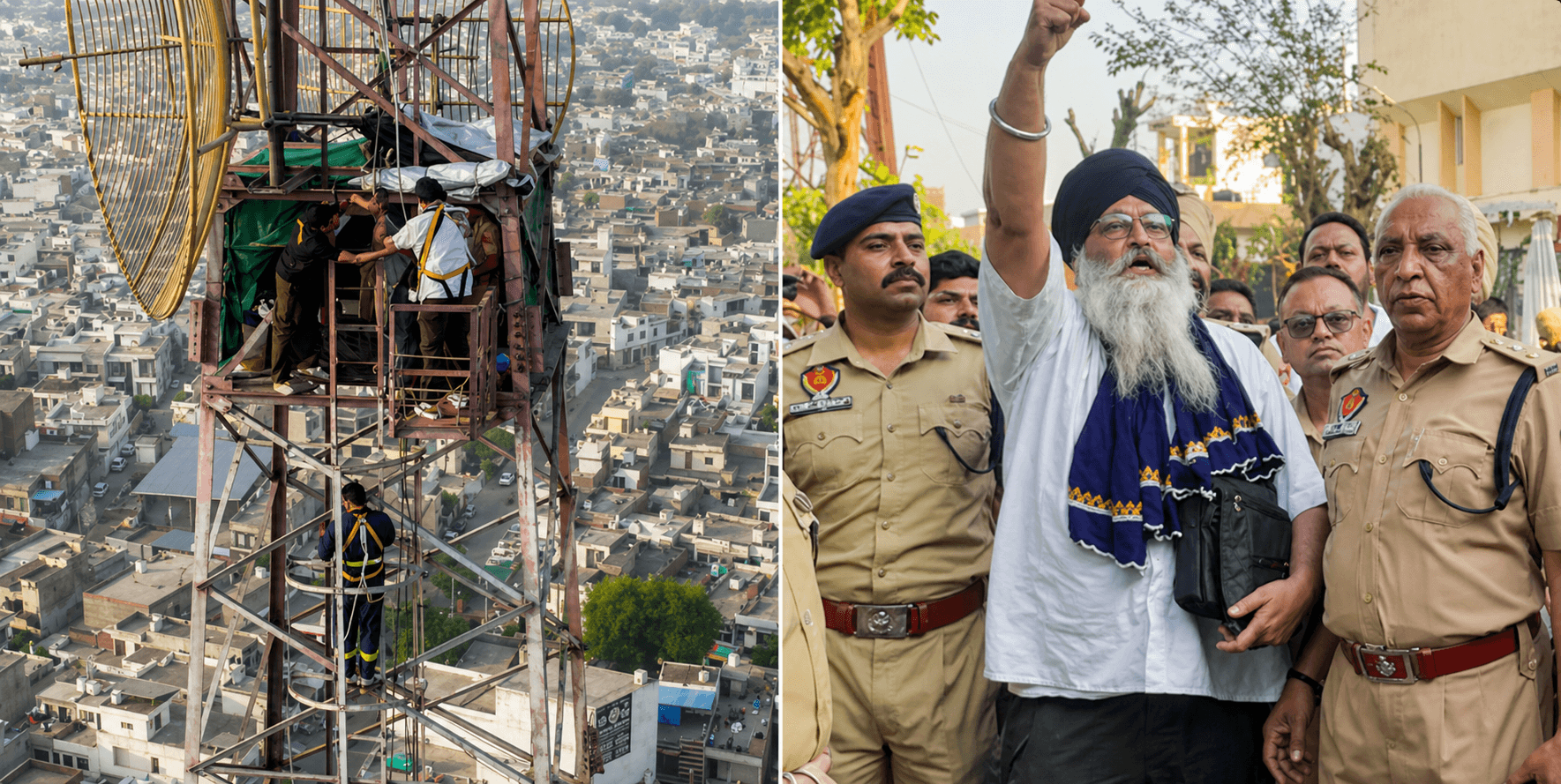
After nearly 560 days, Gurjeet Singh Khalsa ended one of India’s longest and most unusual protests. He had been perched atop a nearly 400-foot BSNL tower in Patiala, Punjab. His protest began in mid-2023 and continued uninterrupted for about 18 months.
Authorities finally brought him down following negotiations and assurances from the government. The development marks a significant moment in citizen-led activism in India.
What exactly happened on the ground
Khalsa was safely brought down from the tower after prolonged discussions between officials and protest representatives. Reports confirm that the operation concluded peacefully. He claimed that the protest ended because key demands received attention. According to statements made after his descent, Khalsa said, “We have won,” signaling satisfaction with the outcome.
Officials ensured medical checks immediately after he came down. Spending over a year at such height raised concerns about his health and safety.
Why did the protest begin
The protest was not symbolic alone. It was rooted in specific demands related to farmers and public policy concerns in Punjab. Khalsa positioned himself as an activist advocating for farmer rights and justice. Over time, his protest became a visual symbol of persistence and dissent.
Such extreme methods often emerge when activists believe conventional channels fail. In this case, the duration itself became the message.
How did it sustain for 560 days
Maintaining a protest at such height for over 18 months required support systems. Local groups and supporters ensured regular supply of essentials like food and water. However, the situation raised repeated safety concerns. Authorities monitored the site closely to prevent accidents.
Despite harsh weather conditions and physical strain, Khalsa continued. This endurance turned the protest into a national talking point. The turning point came when government representatives initiated serious negotiations. Reports indicate that authorities assured action on several issues raised during the protest.
While full details of agreements remain limited, the decision to step down suggests a level of trust or compromise. Importantly, the peaceful resolution avoided escalation. This outcome reflects a structured approach rather than forceful intervention.
What does this mean for activism in India
This protest sets a precedent. It shows how prolonged, high-visibility actions can influence dialogue. However, it also raises questions. Should extreme protest methods become normalized? Or should systems evolve to address grievances earlier?
From a governance perspective, delayed response can intensify public demonstrations. On the other hand, sustained protests test administrative patience and public safety frameworks.
Strategic implications for public policy and governance
The incident highlights three critical gaps. First, grievance redressal systems need faster response times. Delays often push activists toward extreme visibility tactics. Second, communication channels between citizens and authorities require strengthening. Continuous dialogue may prevent escalation.
Third, public safety must remain central. Protests involving physical risk create complex ethical and operational challenges.
What lies ahead after the protest
The end of the protest does not close the issue. Instead, it shifts focus to implementation. Authorities now face pressure to act on assurances given. Any delay could undermine credibility.
Meanwhile, Khalsa’s protest may inspire similar methods. That possibility makes institutional response even more crucial. The broader takeaway is clear. Visibility drives attention, but resolution demands structured governance.
Gurjeet Singh Khalsa’s 560-day protest was not just about one activist. It reflected deeper tensions between citizens and administrative systems. Its peaceful conclusion shows that dialogue still works. However, the long duration also exposes systemic delays.
The real measure of success will depend on what follows next. Promises must convert into action.
FAQ's
Who is Gurjeet Singh Khalsa?
He is a Punjab-based activist known for his prolonged protest atop a BSNL tower in Patiala.
How long did the protest last?
The protest lasted approximately 560 days, making it one of the longest such demonstrations in India.
Why did he protest from a tower?
The method aimed to draw national attention and highlight unresolved issues related to farmers and governance.
How did the protest end?
Authorities negotiated with him and provided assurances, after which he agreed to come down peacefully.
What happens next after the protest?
The focus now shifts to whether the government fulfills the promises made during negotiations.
Topics
Covering startup news, AI, technology, and business at ThePrimely. Delivering accurate, in-depth reporting on the stories that shape the future.