
Why Did RBI Cancel Paytm Payments Bank Licence and What Does It Mean for Customers and India’s Fintech Future?
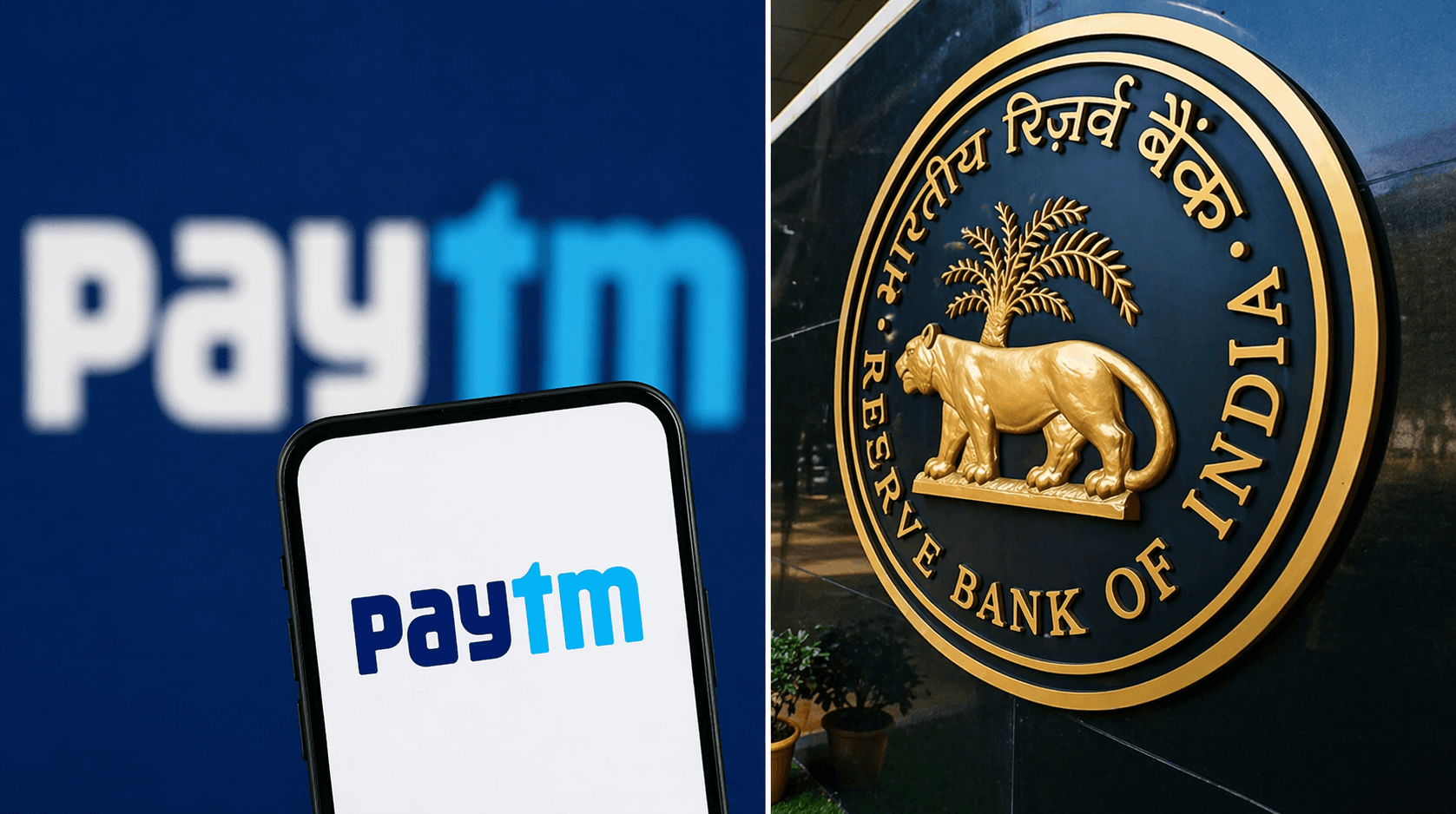
A Major Regulatory Shock to India’s Fintech Sector
The Paytm Payments Bank licence cancellation marks one of the strongest regulatory actions in recent years. The Reserve Bank of India has formally revoked the bank’s licence and initiated steps toward winding up its operations.
This is not a routine penalty. It signals a decisive intervention by the regulator in response to persistent compliance concerns. The move has immediate implications for customers, investors, and the broader fintech ecosystem.
What Exactly Happened
The Reserve Bank of India cancelled the licence of Paytm Payments Bank after identifying serious and continued compliance failures. Authorities stated that the bank’s operations were detrimental to regulatory standards. As a result, RBI has moved to seek winding up of the entity through legal processes.
This decision follows months of scrutiny, restrictions, and warnings issued to the bank.
A Build Up of Compliance Concerns
Paytm Payments Bank has been under regulatory watch for some time. Earlier, RBI had imposed restrictions on onboarding new customers and limited certain operations. These measures were meant to enforce corrective action. However, the issues persisted.
The final step of licence cancellation reflects the regulator’s conclusion that compliance gaps were not adequately addressed.
What Happens to Customer Deposits
Customer protection remains the central concern. Deposits in payments banks are typically safeguarded under regulatory frameworks. In this case, customers are expected to be guided through a structured resolution process.
Authorities have indicated that steps will be taken to ensure that customer funds are handled appropriately during the winding up phase. However, operational disruptions are likely in the short term. Customers may need to transition to other banking channels.
Why RBI Took Such a Strong Step
Persistent Non Compliance
The primary reason behind the Paytm Payments Bank licence cancellation is continued non compliance with regulatory norms.RBI emphasized that adherence to banking standards is non negotiable. Repeated failures triggered the final action.
Systemic Risk Concerns
Even though payments banks have limited functions, they still handle large volumes of transactions. Any weakness in compliance can pose risks to financial stability and customer trust.
Therefore, RBI’s decision reflects a broader commitment to maintaining system integrity.
Impact on India’s Fintech Landscape
This development has wide implications. First, it sets a clear precedent. Regulatory tolerance for compliance lapses is narrowing. Second, fintech companies may face stricter oversight going forward. Compliance will become a core strategic priority rather than a support function.
Third, investor sentiment could shift. Confidence will depend on how companies align with regulatory expectations. At the same time, this could strengthen the ecosystem in the long term by improving discipline and transparency.
What This Means for Digital Banking Strategy
The Paytm Payments Bank licence cancellation highlights a key lesson. Growth without governance is unsustainable. Fintech firms must balance innovation with regulatory discipline.
Moreover, partnerships with licensed banks may become more critical. Companies may adopt hybrid models to reduce regulatory risk. This shift could redefine how digital financial services operate in India.
A Turning Point for Regulation and Trust
The Paytm Payments Bank licence cancellation is more than a single company event. It represents a turning point in India’s financial regulation approach. RBI has sent a clear message. Compliance is fundamental, not optional.
For customers, the priority will be smooth transition and fund security. For the industry, the focus will shift toward stronger governance frameworks. Ultimately, this decision may reshape the future of fintech in India by reinforcing trust and accountability.
FAQ's
Why did RBI cancel Paytm Payments Bank licence?
RBI cancelled the licence due to persistent compliance failures and concerns about regulatory violations.
Is customer money safe?
Authorities are expected to ensure proper handling of deposits during the winding up process, though transitions may be required.
What happens to Paytm services now?
Banking operations will be wound up, but other Paytm services may continue through different structures.
Will this affect other fintech companies?
Yes. It may lead to stricter regulations and higher compliance standards across the fintech sector.
What should customers do next?
Customers should monitor official updates and consider shifting funds to other banking institutions if required.
Topics
Covering startup news, AI, technology, and business at ThePrimely. Delivering accurate, in-depth reporting on the stories that shape the future.