
Strait of Hormuz oil tankers passage signals tension shift
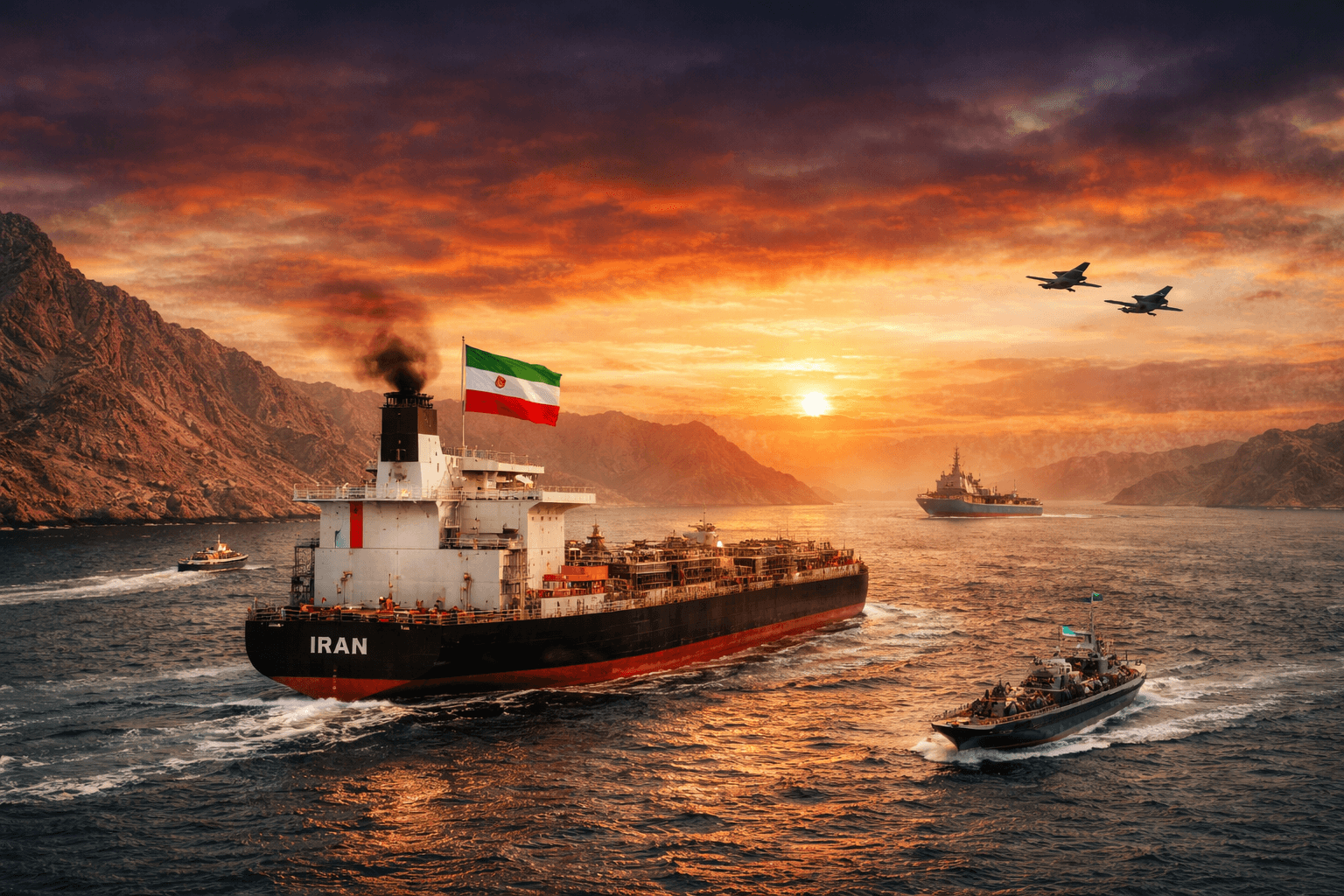
Strait of Hormuz oil tankers movement draws global focus
Strait of Hormuz oil tankers movement has attracted attention following comments from former US President Donald Trump. He suggested Iran allowed several vessels to pass through the critical shipping corridor.
The development comes amid continued geopolitical tensions affecting global energy markets. The Strait of Hormuz is considered one of the most important maritime routes for crude oil transport.
According to Reuters, Trump said Iran permitted ten oil tankers to transit the route despite ongoing tensions. He described the passage as a signal linked to broader diplomatic dynamics.
Meanwhile, analysts say developments in the region often influence oil prices and investor sentiment.
Strategic importance of the Strait of Hormuz oil tankers route
The Strait of Hormuz oil tankers route connects the Persian Gulf with global markets. A significant share of the world’s crude exports passes through the narrow waterway.
Energy agencies estimate that roughly one fifth of global oil consumption flows through the strait. Therefore, any disruption can affect supply expectations and pricing patterns.
Additionally, shipping companies closely monitor security conditions in the region. Insurance costs and operational planning often depend on perceived risks.
Market participants often react quickly to developments affecting the strait. Consequently, geopolitical signals can influence both short term and long term energy outlook.
Reuters reports comments on tanker passage
Reuters reported that Trump indicated Iran allowed ten oil tankers to pass through the route. The comments emerged during a period of heightened uncertainty surrounding regional tensions.
However, shipping activity has remained uneven in recent days. Some vessels delayed transit decisions amid concerns over safety conditions.
Additionally, maritime monitoring agencies have observed cautious movement patterns in the area. Operators continue evaluating risk levels linked to potential disruptions.
Officials have not announced any formal policy change affecting navigation through the strait.
Background of geopolitical tensions affecting oil transit
Tensions involving Iran and Western countries have previously affected shipping flows in the region. The Strait of Hormuz has experienced periods of increased security monitoring.
Historically, incidents affecting commercial vessels have contributed to volatility in oil markets. Therefore, traders often track developments closely.
Meanwhile, governments continue diplomatic efforts aimed at reducing escalation risks. International observers emphasise the importance of uninterrupted energy supply routes.
Additionally, global demand expectations influence how markets interpret geopolitical developments.
Analysts highlight impact on global oil supply expectations
Energy analysts say developments involving the Strait of Hormuz oil tankers route can influence supply forecasts. Markets often respond to signals affecting transport continuity.
Price fluctuations may occur when uncertainty increases regarding shipping safety. Additionally, logistics planning can shift depending on risk perception.
Experts note that supply chains depend on stable maritime transit corridors. Therefore, any perceived disruption may affect energy costs for consumers.
Global financial markets sometimes reflect concerns linked to geopolitical uncertainty.
Economic implications for importing countries
Countries dependent on imported crude monitor the situation carefully. Changes in shipping patterns may influence domestic fuel pricing expectations.
Additionally, manufacturing and transport sectors often track oil supply developments. Energy costs remain an important factor in economic planning.
Governments may review contingency measures aimed at ensuring stable supply chains. However, policy responses often depend on evolving geopolitical conditions.
Meanwhile, traders continue evaluating the potential impact on inflation trends.
Latest developments and outlook for shipping activity
Recent vessel movements indicate continued navigation through the Strait of Hormuz. Maritime authorities continue monitoring developments affecting safety conditions.
Additionally, diplomatic signals may influence future transit patterns. Analysts say developments in the coming weeks could shape market expectations.
Energy markets remain sensitive to geopolitical signals affecting key transport routes. Therefore, updates regarding the Strait of Hormuz oil tankers route are likely to remain closely watched.
Observers note that stability in maritime trade routes remains important for global economic continuity.
Topics
Covering startup news, AI, technology, and business at ThePrimely. Delivering accurate, in-depth reporting on the stories that shape the future.