
Harley-Davidson Big Bikes Set to Get Cheaper in India After Zero Duty Deal
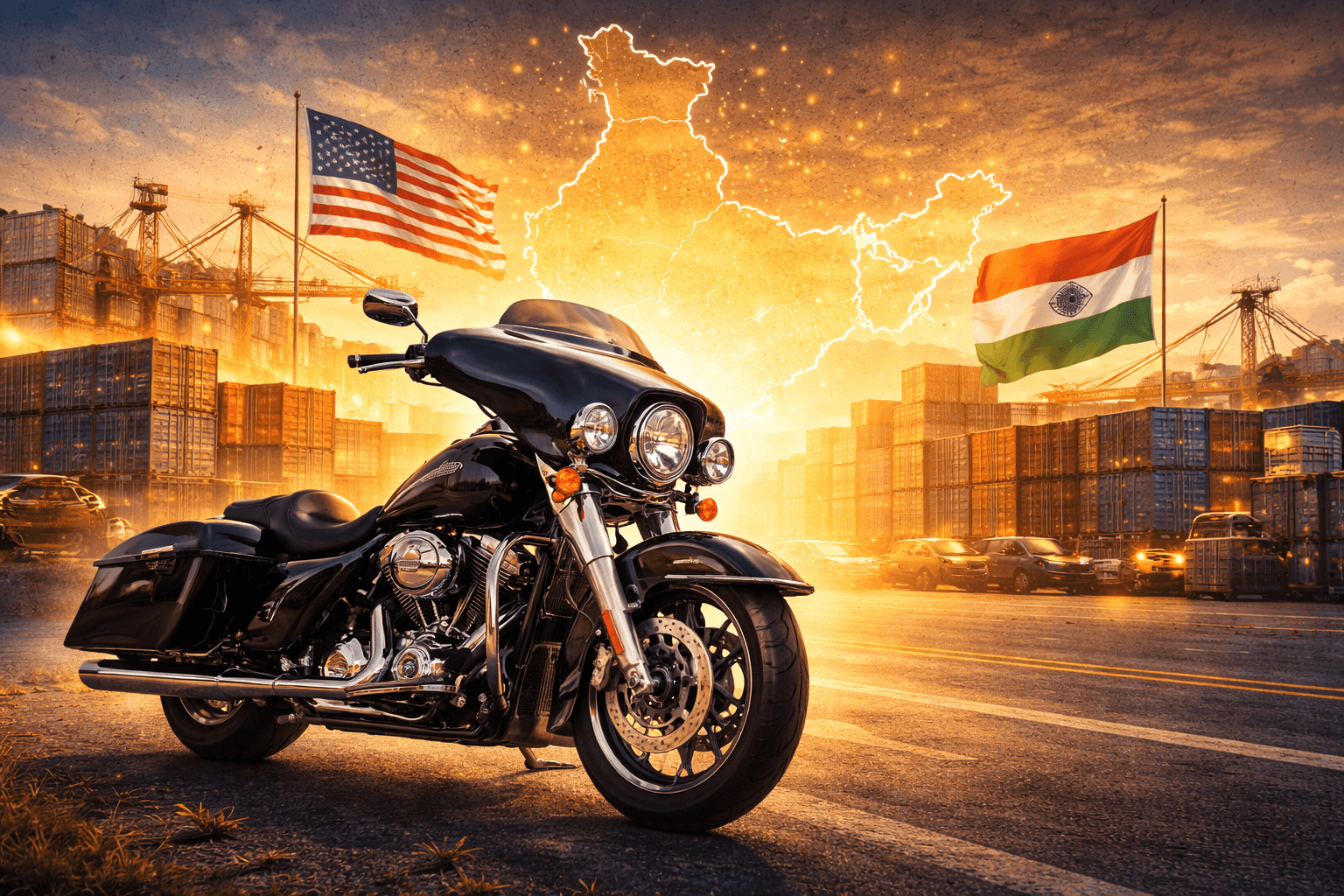
If you’ve eyed a Harley-Davidson in India, recent developments in international trade could finally make that dream ride more affordable. Under a new India-US interim trade agreement, import duties on big motorcycles with engine capacities between 800cc and 1,600cc are expected to be eliminated
a shift that could lower the retail prices of iconic American bikes like Sportster, Nightster, and Pan America models.
This move, while significant in policy terms, also reflects broader shifts in India’s trade and tax landscape for premium motorcycles. Let’s break down what this means for buyers, the motorcycle market, and the industry at large.
What the India-US Trade Deal Says
As part of the interim trade pact between India and the United States, tariff concessions have been negotiated to benefit high-end automotive imports. Officials have confirmed that the agreement will provide zero import duty access to US motorcycles in the 800cc to 1,600cc range once implemented.
This is a dramatic shift previously, big bikes imported as completely built units (CBUs) attracted a duty that ranged from around 40% to above for larger capacities, making them expensive in India relative to local alternatives.
For bikes above 1,600cc, duties are still expected to apply, but the relief on major premium segments represents a notable change.
How Import Duties Worked Before
Until this agreement, India’s tax structure on imported motorcycles was layered:
- Completely Built Units (CBUs): Heavy duty, sometimes around 40%
- Semi Knocked Down (SKD) kits: Lower duty but still significant
- Completely Knocked Down (CKD) kits: Lowest of the import categories
For example, motorcycles in the 800cc to 1,600cc category faced roughly 40% duty before the trade deal, while larger engines were taxed around 30% to 50%.
Why This Matters for Harley-Davidson Buyers
Harley-Davidson bikes especially models like the Sportster S, Nightster, Pan America, and other large-engine cruisers and adventure bikes typically fall in the 800cc to 1,600cc band. The zero-duty concession could therefore directly reduce the retail cost of these bikes when they are imported as complete units.
While domestic sales of such bikes have historically been low with less than 100 units sold in the 800cc+ segment over nine months in 2025 the potential price reduction might attract new buyers and increase aspirational demand.
The premium motorcycle sub-segment remains a niche in India because the broader market is dominated by low-displacement, commuter two-wheelers, but price relief can boost interest among enthusiasts and wealthier buyers.
What About Indian Partnerships and Existing Sales?
Harley-Davidson technically exited India as a fully owned seller in recent years, but it maintains a partnership with Hero MotoCorp, which handles sales, service, and distribution through dedicated dealerships.
Even with that collaboration, true brand enthusiasts often prefer fully built, imported models rather than locally assembled variants. By reducing duties on imports, the market could see increased presence of US-sourced Harleys.
How the Broader Market Reacts
The zero-duty concession under the trade deal is symbolic of deepening economic ties, but there’s more nuance:
- India remains a strong market for everyday bikes, especially those under 350cc where demand is highest. Premium big bikes are still niche despite tariff changes.
- Higher taxes on high-displacement motorcycles inside India (such as GST rates above 350cc) still make local big bikes expensive, although policy shifts at the import level can offset this for flagship brands.
Even after duties drop, expect price cuts to be gradual and dependent on dealer strategy, localisation trends, and customer uptake.
Broader Impact Beyond Harley
This trade agreement hints at deeper fiscal strategies:
- The government already slashed import duties through the Union Budget 2025 on premium motorcycles, lowering rates for big bikes and parts to make them marginally more affordable.
- Zero duty access under the interim pact elevates that trend and could apply to other premium US bikes from brands like Indian Motorcycle in future negotiations.
Meanwhile, other imported premium bikes from Europe and Japan might benefit from similar deals if India signs broader free trade agreements, creating a more vibrant premium two-wheeler landscape.
What Buyers Should Know Now
If you’re considering a premium motorcycle purchase in India:
- Timing matters: Waiting for the duty reduction to take effect could save you money.
- Volume and sales are small: Even with zero duties, Harley bikes will remain aspirational, not mainstream.
- Local taxes still apply: GST and state taxes will still influence on-road prices.
- Dealership inventory: Availability in dealerships upon duty implementation will vary.
The zero-duty deal for 800cc to 1,600cc motorcycles marks a significant policy shift for premium bikes in India, especially for iconic brands like Harley-Davidson. While the immediate sales impact may be modest given the small size of the premium segment, the long-term trend could democratise access to big bikes and expand the riding culture in India.
This move also strengthens commercial ties between India and the United States one where motorcycles, cars and selective imports get preferential access without compromising local industry development.
Topics
Covering startup news, AI, technology, and business at ThePrimely. Delivering accurate, in-depth reporting on the stories that shape the future.