
India Drops Small-Car Concession in New Fuel Emission Rules
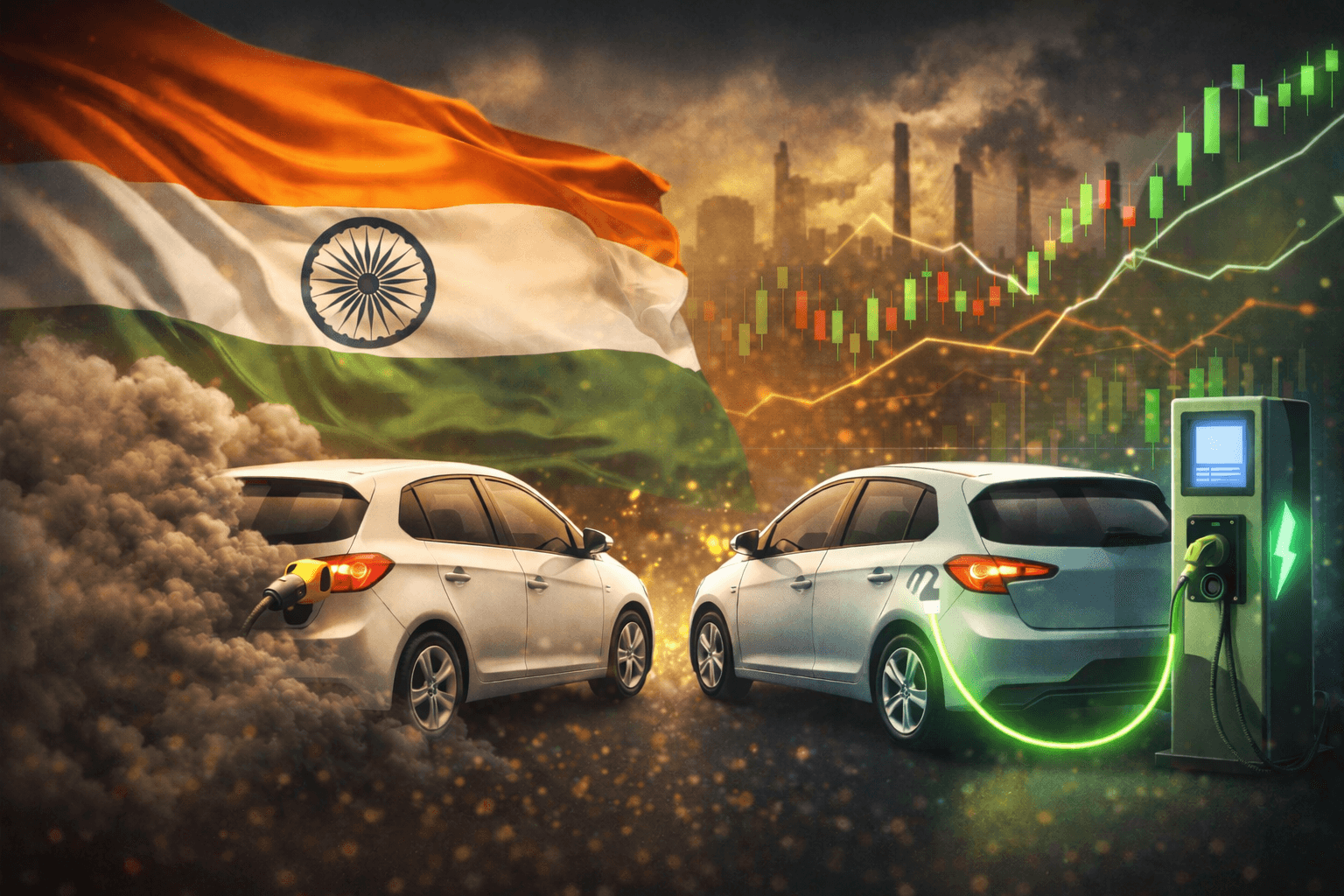
India has removed a proposed concession for small petrol cars in its upcoming fuel-emission regulations, a move that tightens standards for automakers and reshapes future vehicle strategies.
The decision affects the next phase of Corporate Average Fuel Efficiency (CAFE) norms, which will apply from April 2027 to March 2032. According to government officials, the revised rules aim to create a level playing field and push the industry toward cleaner technologies.
What Changed in the Rules
Earlier drafts of the policy had offered leniency for petrol cars weighing 909 kilograms or less. However, the government dropped this proposal after objections from several automakers.
Companies including Tata Motors and Mahindra & Mahindra argued that the concession would distort competition. They said it would disproportionately benefit Maruti Suzuki, which dominates India’s small-car segment.
In response, authorities from the Ministry of Power and transport policy drafters revised the rules, removing the small-car concession and tightening emissions parameters for all passenger vehicle categories. The updated draft aims to level the playing field and push manufacturers toward broader adoption of electric and hybrid technologies.
What the New CAFE Norms Require
Under the updated framework, all passenger vehicles will face tighter efficiency targets. Fleet-wide emissions must fall steadily through the next decade.
Key points include:
- A target of about 100 grams of CO₂ per kilometre by 2032
- Potential reduction to around 76 g/km if electric vehicles reach roughly 11% of total sales
- Financial penalties for non-compliance
- Credits for manufacturers that expand electric and hybrid vehicle sales
Because of this, automakers will need to adjust engine design, product mix, and electrification plans.
Why the Concession Was Controversial
Although small cars generally emit less carbon than larger vehicles, critics warned that special treatment could weaken the policy’s impact. They also said it might reduce incentives to improve fuel efficiency across entire fleets.
Moreover, rival manufacturers argued that environmental rules should apply evenly, regardless of vehicle size. Regulators ultimately agreed with that view.
Broader Policy Goals
Transport accounts for a significant share of India’s energy use and oil imports. Passenger vehicles make up the majority of transport-related emissions.
Therefore, policymakers see stricter CAFE norms as essential. The revised rules encourage:
- Electric vehicles
- Plug-in hybrids
- Alternative fuels such as CNG and flex-fuel systems
Together, these measures support India’s broader climate and energy-security goals.
Industry Reaction
Automakers are now reassessing long-term plans. Some companies say the new rules will accelerate EV and hybrid launches. Others warn that compliance costs could raise vehicle prices in the short term.
Even so, most industry bodies acknowledge that the standards align with global trends.
What Happens Next
The draft rules remain under consultation before final notification. Once adopted, they will shape India’s auto market through 2032.
For now, the removal of the small-car concession signals a clear policy direction: emissions cuts will apply across the board, and electrification will play a central role.
Topics
Covering startup news, AI, technology, and business at ThePrimely. Delivering accurate, in-depth reporting on the stories that shape the future.