
Coal India’s Washery Plan: What It Means
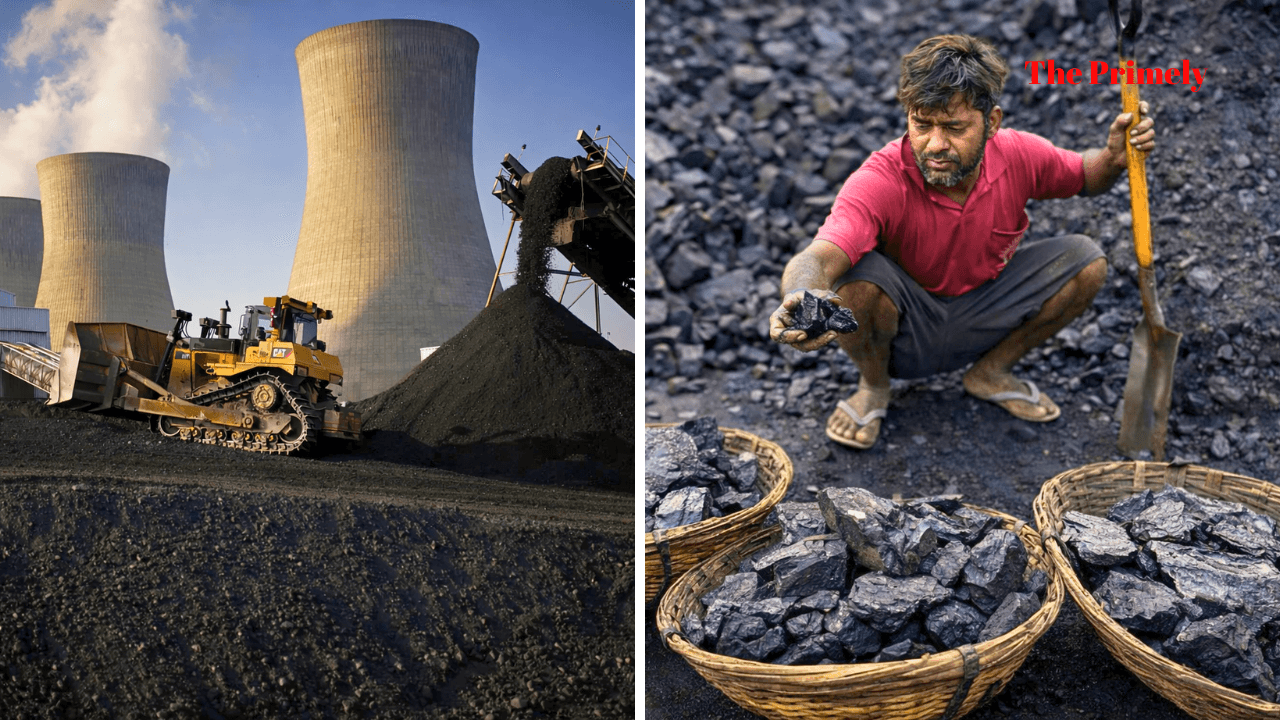
Coal India is taking a major step to improve the quality of coal used in India. The company has announced an investment of ₹3,300 crore to set up eight new coking coal washeries, aiming to strengthen domestic supply and reduce dependence on imports.
What the Plan Includes
The new washeries will add about 21.5 million tonnes of processing capacity each year. These units are expected to become operational by 2029–30, marking a significant expansion of Coal India’s existing infrastructure.
Five washeries will be developed under Central Coalfields Limited, while the remaining three will be set up by Bharat Coking Coal Limited. This expansion will add to the company’s current network of ten washeries, which already process around 18.35 million tonnes annually.
Why Coal Washing Matters
India has large coal reserves, but much of it contains high ash content. This reduces its efficiency and makes it less suitable for industries like steel manufacturing. Coal washing helps remove impurities and improves the energy value of coal.
Coking coal is especially important because it is a key raw material for steel production. However, domestic availability of high-quality coking coal remains limited, forcing India to rely on imports.
Impact on Imports and Industry
By expanding washing capacity, Coal India aims to make domestic coal more usable. This can reduce the need for imported coking coal and help save foreign exchange.
The steel industry stands to benefit the most. Better-quality coal can improve production efficiency and reduce costs over time. This move also supports India’s broader push toward industrial self-reliance.
Modernisation Alongside Expansion
Along with new projects, Coal India will invest about ₹300 crore to modernise existing washeries. This step is aimed at improving efficiency and ensuring that current facilities operate at optimal levels.
This combination of expansion and upgrade shows a long-term approach rather than a short-term capacity increase.
Strategic Significance
The plan reflects a shift in focus from simply increasing coal production to improving its quality. This is important because future demand will depend not just on volume but also on efficiency and usability.
It also highlights how infrastructure investments are being aligned with the needs of key industries like steel.
Topics
Covering startup news, AI, technology, and business at ThePrimely. Delivering accurate, in-depth reporting on the stories that shape the future.