
Iran war impact Asia as fuel shortages and price shocks spread across region
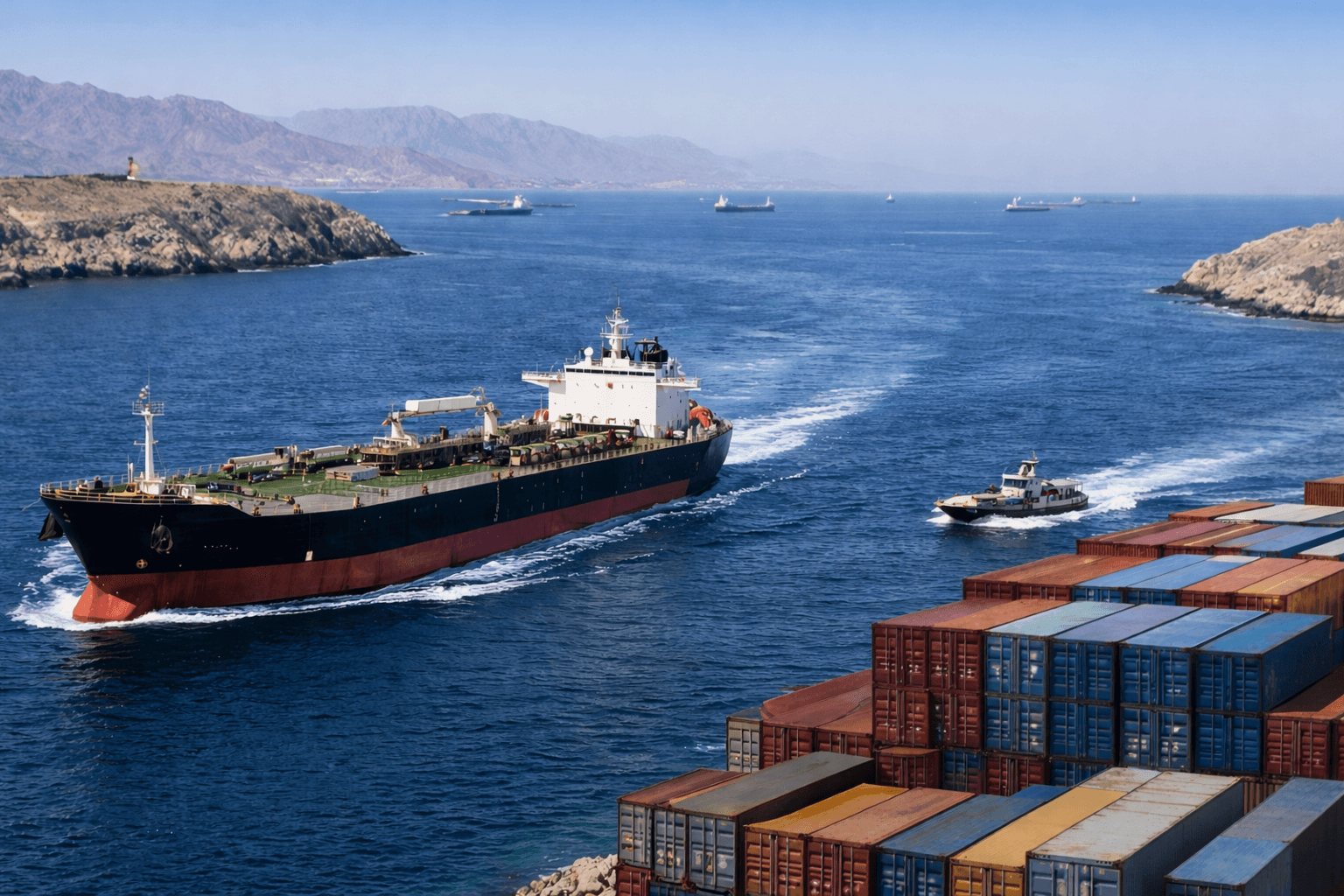
Strait of Hormuz disruption affects LPG supply, manufacturing costs and household energy prices
Iran war impact Asia is becoming increasingly visible as disruptions in the Strait of Hormuz affect fuel availability and prices across multiple countries. The strategic waterway carries around 20 percent of global oil supply, with nearly 90 percent of shipments heading toward Asian markets.
The conflict, which escalated after military action involving the United States and Israel in February 2026, has reduced shipping traffic through the strait. Only a limited number of vessels are currently able to transit the route each day.
Oil prices have risen significantly, while supply uncertainty has forced governments to introduce energy-saving measures and emergency policies.
Analysts say the scale of disruption highlights Asia’s dependence on Middle Eastern energy imports.
Philippines declares energy emergency as fuel prices surge
In the Philippines, authorities have declared a national energy emergency amid concerns over supply shortages and rising fuel costs.
Jeepney drivers, who rely heavily on diesel, have reported sharp declines in income as higher fuel prices reduce daily earnings.
Some drivers say their daily wages have fallen from around 1,000 pesos to as low as 200 pesos due to increased operating expenses.
Fishermen and farmers have also been affected as fuel costs increase the price of transportation and agricultural production.
Government authorities have introduced subsidies to support affected workers, although many say assistance remains insufficient to offset rising expenses.
Public protests have also emerged as fuel price increases affect household budgets.
Thailand introduces energy-saving measures
Thailand has encouraged citizens to reduce electricity consumption as authorities attempt to conserve fuel supplies.
Public broadcaster Thai PBS drew attention to the crisis when news presenters appeared on air without jackets to promote energy-saving behaviour.
Government agencies have been instructed to work from home where possible to reduce electricity usage.
Officials have also advised households to keep air conditioning temperatures between 26 and 27 degrees Celsius.
Meanwhile, Thailand has negotiated arrangements allowing some oil tankers to transit the Strait of Hormuz.
Authorities continue encouraging public transport use and carpooling to reduce fuel consumption.
Sri Lanka adopts austerity steps amid fuel uncertainty
Sri Lanka, which recently emerged from a severe financial crisis, has introduced precautionary measures to manage fuel consumption.
Authorities have declared Wednesdays as public holidays to reduce fuel demand linked to commuting.
Long queues have been reported at petrol stations as consumers attempt to secure fuel supplies.
Workers dependent on fuel for employment, including transport and maintenance services, have reported income uncertainty.
Manufacturing sectors linked to imported energy have also experienced operational disruptions.
Some employees say limited fuel availability has affected their ability to travel to work regularly.
India faces LPG shortage pressure
India has experienced significant pressure due to reduced LPG shipments passing through the Strait of Hormuz.
Approximately 60 percent of India’s liquefied petroleum gas consumption is met through imports, with about 90 percent of those supplies routed through the Gulf.
Industrial sectors including ceramics manufacturing in Gujarat have been affected by gas shortages, leading to temporary shutdowns.
The industry employs roughly 400,000 workers, many of whom face uncertainty regarding job continuity.
Restaurants and hotels in major cities including Mumbai have reported limited cooking gas availability, affecting operations and menu offerings.
Long queues have formed at distribution centres as households attempt to secure LPG cylinders.
Industry representatives say the shortage has affected both commercial and residential consumption patterns.
Vietnam reduces fuel taxes to ease economic pressure
Vietnam has temporarily reduced certain fuel taxes to manage rising prices and reduce pressure on businesses.
Authorities reported that fuel prices fell about 20 percent following the tax adjustment, although costs remain higher than levels recorded before the conflict.
Manufacturers reliant on diesel and LPG have reported operating costs rising by approximately 60 percent.
Export-oriented businesses say higher transportation costs have reduced demand and affected shipping logistics.
Retailers have also reported reduced consumer spending as transportation costs increase.
Analysts say inflation pressures linked to energy prices may influence economic activity across the region.
Myanmar introduces vehicle restrictions to conserve fuel
Myanmar has introduced alternate-day vehicle usage rules as part of measures to manage limited fuel supply.
Some workers say transportation planning has become more complex as travel schedules must comply with new restrictions.
Concerns have also emerged regarding potential development of informal fuel markets due to supply shortages.
Economists say prolonged supply disruption may increase prices for essential goods due to higher logistics costs.
Authorities continue monitoring fuel distribution to prevent severe shortages.
South Korea and Japan monitor petrochemical supply risks
South Korea and Japan have reported concerns regarding availability of naphtha, a petroleum product used in plastics and medical equipment.
South Korean households have reportedly stockpiled regulated plastic garbage bags due to fears of supply shortages.
Government officials have launched campaigns encouraging energy conservation measures including reduced electricity usage.
Japan has expressed concern about availability of medical supplies made from petrochemical materials, including syringes and gloves.
Authorities have established task forces to monitor supply chains linked to healthcare equipment.
Experts say shortages of petrochemical inputs could affect manufacturing sectors including packaging, electronics, and medical devices.
Wider economic implications of Iran war impact Asia
The disruption in energy supply routes has increased inflation risks across Asia due to higher transportation and production costs.
Fuel price increases can influence food prices, manufacturing expenses, and consumer purchasing power.
Governments across the region are monitoring supply chain risks and implementing policy responses aimed at stabilising markets.
Central banks may also adjust monetary policy outlook depending on the persistence of inflation pressure linked to energy costs.
Analysts say prolonged geopolitical tensions may influence global trade patterns and investment flows.
Outlook as geopolitical uncertainty continues
Energy markets remain sensitive to developments linked to the Iran conflict and shipping activity in the Strait of Hormuz.
Countries dependent on imported fuel continue evaluating contingency strategies to maintain supply stability.
Policy responses across Asia indicate the broad economic reach of disruptions affecting global energy trade routes.
The Iran war impact Asia demonstrates how geopolitical conflict can influence everyday economic conditions across multiple sectors.
Topics
Covering startup news, AI, technology, and business at ThePrimely. Delivering accurate, in-depth reporting on the stories that shape the future.