
Pharmaceutical tariffs 100% policy pressures drug firms to expand US manufacturing
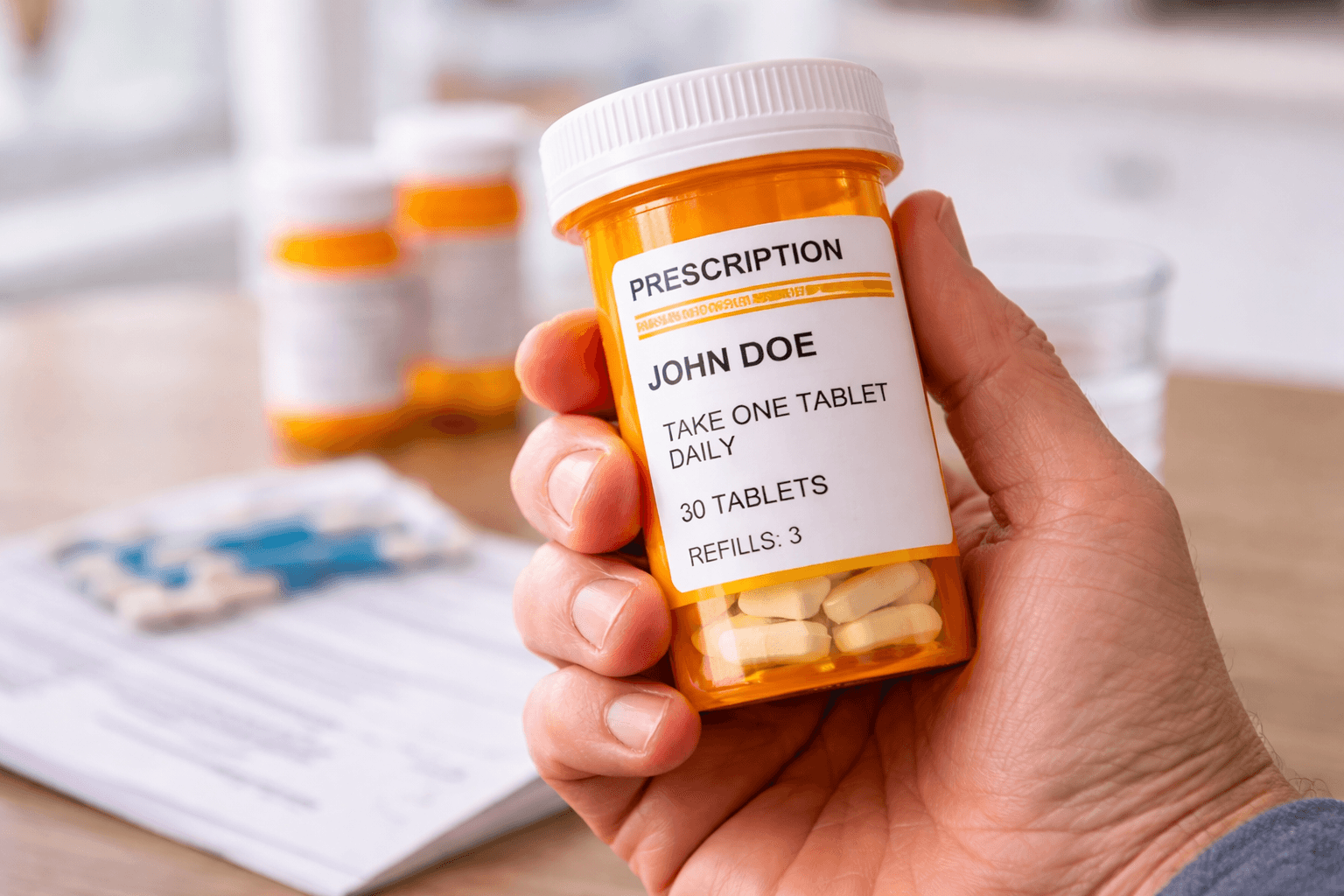
New trade measures target patented medicines while offering exemptions for companies investing domestically
Pharmaceutical tariffs 100% have been announced by the United States government targeting patented medicines entering the country. The White House said the move aims to strengthen domestic manufacturing capacity and reduce reliance on overseas supply chains.
According to officials, the tariffs are designed to address national security concerns related to access to critical medicines. The policy reflects broader efforts to encourage pharmaceutical companies to expand production facilities within the United States.
However, the policy does not apply to generic medicines, which represent the majority of prescriptions used by American patients.
Analysts say this distinction limits the immediate financial impact on consumers, as generics account for a significant portion of the US pharmaceutical market.
Incentives offered to pharmaceutical companies
Companies that commit to establishing new manufacturing operations in the United States before January 2029 would face reduced tariffs of around 20 percent.
Tariffs could be eliminated entirely if companies reach pricing agreements with government health programmes such as Medicaid.
Officials say the measures are intended to encourage pharmaceutical firms to negotiate lower prices for certain medicines.
Sean Sullivan, professor at the University of Washington and London School of Economics, said the policy is intended to encourage negotiations between government and industry.
He said the approach uses tariffs as leverage to bring companies to the bargaining table.
The administration said major pharmaceutical companies have already pledged investments worth approximately 400 billion dollars in domestic manufacturing expansion.
Limited impact on generic medicines
Generic medicines are not included in the tariff framework, reducing the risk of immediate widespread price increases for patients.
Generics account for a large share of prescriptions in the United States due to lower cost compared with patented alternatives.
Experts say the limited scope of the tariffs suggests the policy is primarily intended to influence investment decisions rather than create immediate changes in drug pricing.
Richard Frank, a senior fellow at the Brookings Institution, said the long-term impact will depend on how many companies qualify for exemptions.
He noted that the details of implementation will determine whether smaller pharmaceutical firms face higher costs.
Trade agreements and international partnerships
Existing trade agreements with several countries will continue to apply under the new tariff framework.
The United States has confirmed that tariff exemptions negotiated with partners including the United Kingdom, European countries, Switzerland, South Korea, and Japan will remain in place.
In December, the United Kingdom and United States reached an agreement ensuring pharmaceutical exports from the UK to the US would remain tariff-free for three years.
The agreement included provisions affecting medicine pricing through the UK’s National Health Service.
Officials said the arrangement may support faster access to new treatments for patients.
Analysts say bilateral agreements may help reduce disruption to international pharmaceutical supply chains.
Implementation timeline and negotiation period
Large pharmaceutical companies have been given 120 days to negotiate agreements with the US administration.
Small and medium-sized companies have been granted 180 days to reach similar arrangements.
Officials say companies had advance notice of the policy and have already begun discussions regarding potential compliance.
Industry observers expect further agreements to be announced as negotiations continue.
However, uncertainty remains regarding how many firms will qualify for reduced tariffs.
Impact on pharmaceutical industry strategy
The policy may influence global manufacturing strategies as companies evaluate cost structures and supply chain resilience.
Expanding domestic production in the United States could increase manufacturing costs due to higher labour and regulatory expenses.
However, incentives offered through tariff reductions may offset some operational costs.
Analysts say pharmaceutical firms may increasingly consider geographic diversification of production to reduce exposure to trade policy changes.
The shift could influence global investment flows in pharmaceutical research and manufacturing facilities.
Potential implications for medicine pricing
Pricing agreements linked to tariff reductions could influence how medicines are priced in the United States healthcare system.
Government programmes such as Medicaid and Medicare may benefit from negotiated price reductions for selected treatments.
However, experts say the scope of pricing agreements announced so far remains limited.
Some analysts warn that increased domestic production costs could offset potential savings from negotiated pricing arrangements.
Further details regarding implementation are expected to clarify the long-term impact on healthcare costs.
Broader trade policy adjustments linked to tariffs
Alongside pharmaceutical tariffs, the US administration has also adjusted tariff rules affecting metals including steel, aluminium, and copper.
The revised policy excludes products that contain only limited quantities of these metals from import tariffs.
Officials say the changes aim to ensure tariffs apply only to products with significant metal content.
The broader policy adjustments reflect ongoing efforts to align trade measures with domestic industrial strategy.
Global outlook for pharmaceutical trade
International pharmaceutical companies are expected to monitor developments closely as negotiations continue.
Policy analysts say the measures may influence global trade patterns and investment decisions across the healthcare sector.
The pharmaceutical tariffs 100% policy represents part of a broader strategy aimed at strengthening domestic manufacturing capability.
Market participants continue assessing how tariff exemptions and pricing agreements may shape industry operations in the coming years.
Topics
Covering startup news, AI, technology, and business at ThePrimely. Delivering accurate, in-depth reporting on the stories that shape the future.