
Hormuz Strait Ship Traffic Falls 95% as Iran Tightens Control
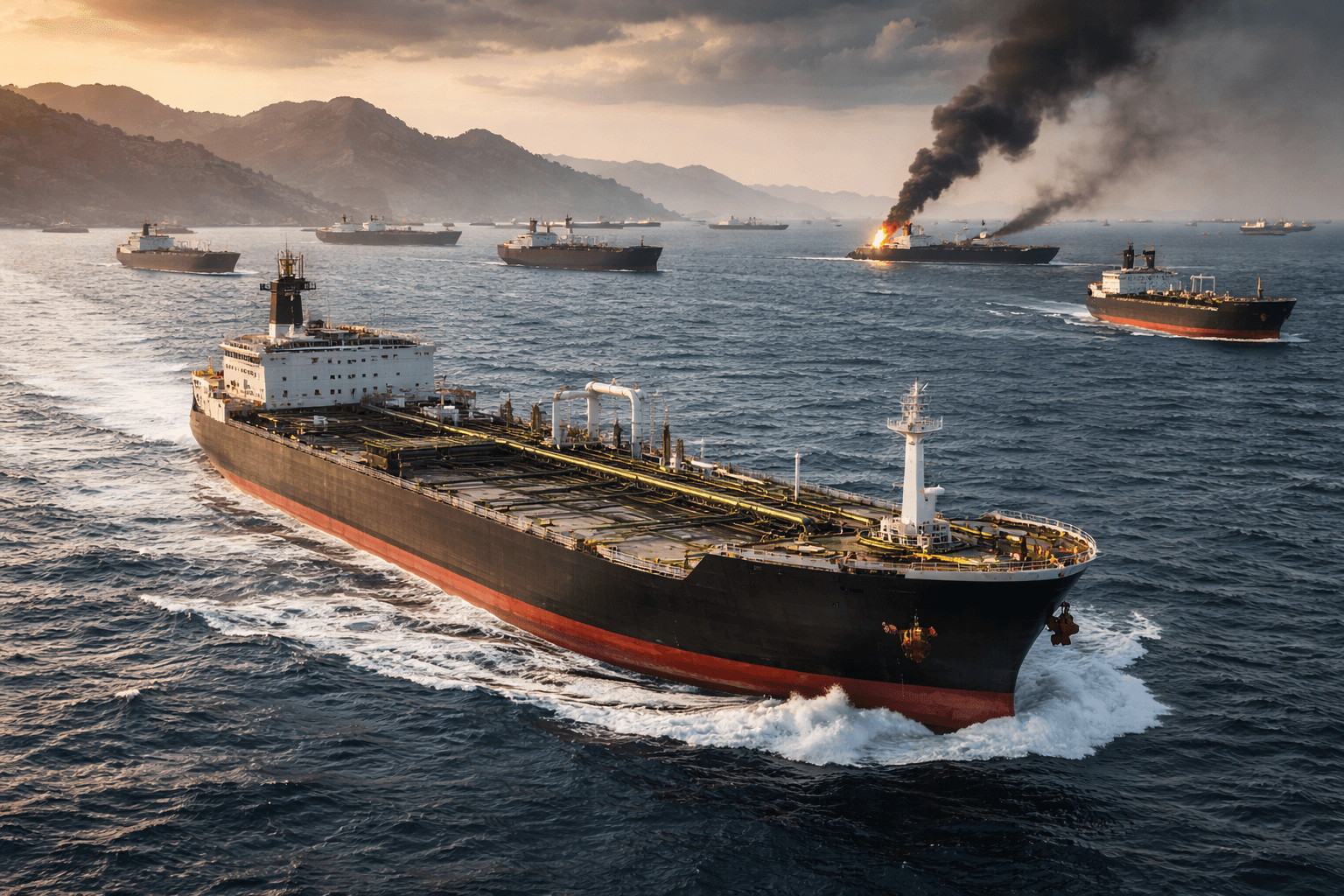
Traffic through one of the world’s most critical shipping lanes has dropped dramatically as the conflict involving Iran continues to disrupt global trade.
New data shows that Hormuz Strait ship traffic has fallen by about 95% since the war began, highlighting the growing risks for vessels navigating the region.
Hormuz Strait Ship Traffic Drops to Just a Few Vessels Daily
Before the conflict, around 138 ships passed through the Strait of Hormuz each day, carrying a significant share of the world’s oil and goods.
Now, only about 5 to 6 ships a day are making the journey.
According to shipping data, just under 100 vessels have crossed the strait so far this month.
This sharp decline in Hormuz Strait ship traffic reflects rising fears among shipping companies, insurers and traders.
Who Is Still Crossing the Strait?
Analysis shows that a significant portion of the vessels still passing through have links to Iran.
- Around one-third of recent ships have Iranian connections
- Several vessels sail under Iran’s flag
- Others are linked to sanctioned oil trade networks
Ships connected to countries such as China and India are also among those still using the route.
Some vessels owned by European companies have docked at Iranian ports before continuing their journey.
This suggests that access to the strait may depend on informal arrangements or understandings with Iranian authorities.
Ships Take Riskier Routes
Ships that continue to cross are changing how they travel.
Tracking data shows some vessels are avoiding the central shipping lane and instead moving closer to Iran’s coastline.
Experts believe this shift is not accidental.
It may reflect instructions from Iranian authorities or an effort to reduce the risk of attack.
However, this route brings ships into Iranian territorial waters, increasing their exposure to control and regulation.
A Strait Under Pressure
The Strait of Hormuz is one of the most important chokepoints in global trade.
About 20% of the world’s oil supply normally passes through it.
The sharp fall in Hormuz Strait ship traffic has raised concerns about supply disruptions and rising energy prices.
Since the conflict began, at least 20 commercial vessels have been attacked in the region.
These incidents have heightened fears and forced many companies to reconsider using the route.
Multiple Threats at Sea
Shipping companies now face a complex and dangerous environment.
Experts identify several key threats:
- Drone attacks
- Anti-ship missiles
- Fast attack boats
- Possible naval mines
The narrow geography of the strait makes the situation even more challenging.
Ships have limited room to manoeuvre, and attacks from elevated coastal positions reduce reaction time.
Crews Face Growing Risks
Recent attacks highlight the human cost of the crisis.
A Thai-flagged vessel was struck by projectiles, leaving crew members missing.
Another ship caught fire after an attack, forcing sailors to jump into the sea to survive.
Industry representatives warn that commercial shipping lanes are becoming increasingly unsafe.
“These men and women are not soldiers,” one ship owner said. “They are professionals keeping global trade moving.”
Ships Disappear From Tracking Systems
Many vessels are now turning off their Automatic Identification System (AIS) trackers.
This allows them to avoid detection as they pass through high-risk areas.
Ships often disappear from tracking systems and reappear later in a different location.
While this may improve safety, it reduces transparency and makes monitoring more difficult.
Analysts now rely on satellite imagery and manual verification to track movements.
Iran’s Growing Influence Over Shipping
Experts say the situation reflects a shift in control.
Rather than fully blocking the strait, Iran appears to be shaping how it is used.
Ships may need to follow specific routes or conditions to pass safely.
This creates what analysts describe as a controlled or “permission-based” system.
Iran’s geographic advantage allows it to influence global shipping without enforcing a total blockade.
What This Means for Global Trade
The sharp drop in Hormuz Strait ship traffic has far-reaching consequences.
Reduced shipping capacity can push up oil prices and increase transport costs.
This, in turn, affects global inflation and economic stability.
Countries that rely heavily on Middle Eastern energy, particularly in Asia, are especially vulnerable.
A Fragile Situation Ahead
The future of the strait remains uncertain.
If tensions escalate further, shipping could decline even more.
On the other hand, diplomatic efforts could restore some confidence and increase traffic.
For now, the data tells a clear story.
The Strait of Hormuz remains open — but only just.
And the risks of passing through it have rarely been higher.
Topics
Covering startup news, AI, technology, and business at ThePrimely. Delivering accurate, in-depth reporting on the stories that shape the future.