
India bottled water prices rise as Iran war drives packaging cost surge
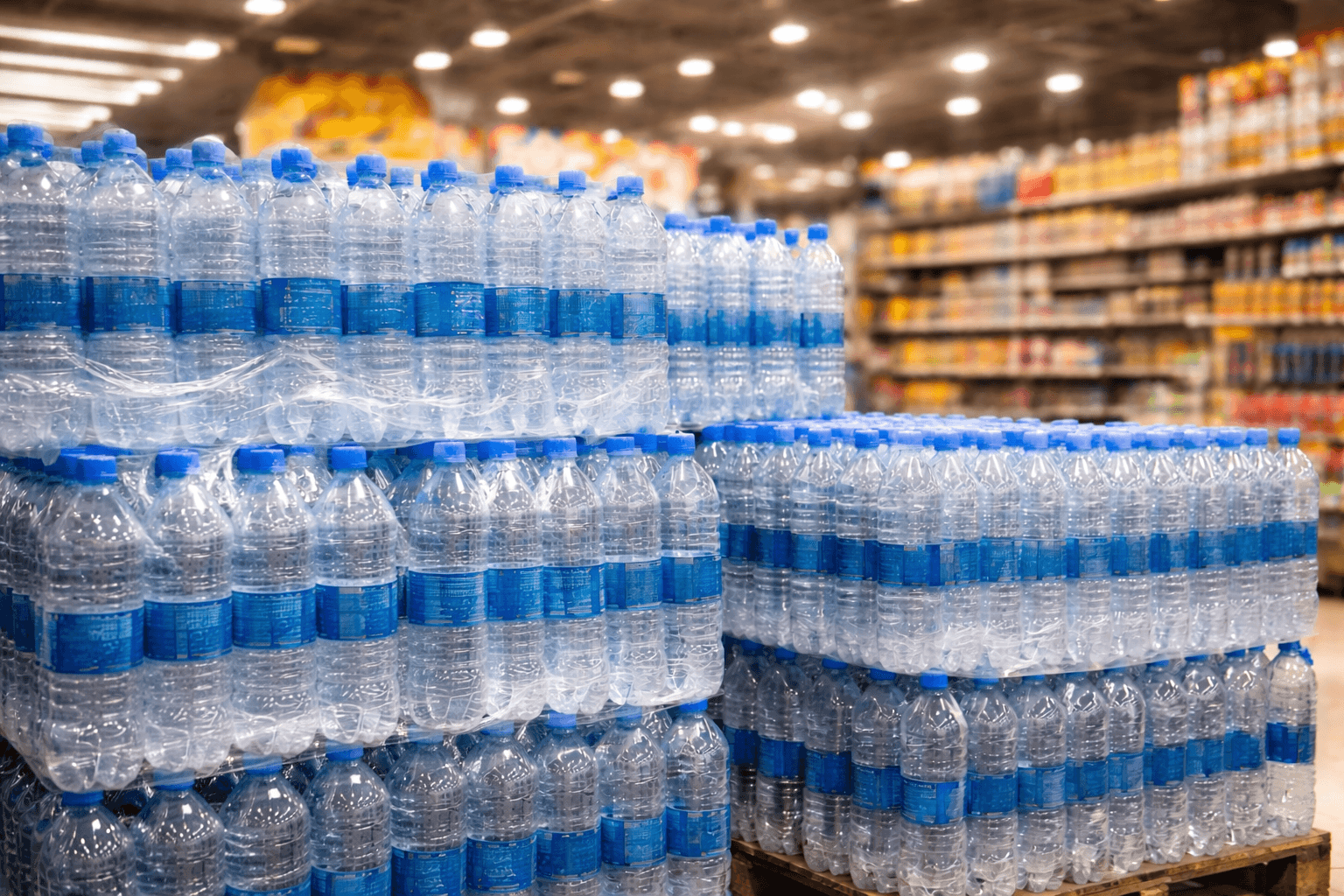
Crude oil increase pushes PET plastic and glass production costs higher ahead of peak summer demand
India bottled water prices rise as the ongoing Iran war disrupts global energy markets and increases raw material costs used in packaging. Manufacturers say rising crude oil prices have increased production costs for plastic bottles and glass containers.
India’s bottled water industry, valued at about 6 billion dollars, depends heavily on petroleum-based packaging materials. The disruption in shipping through the Strait of Hormuz has contributed to rising crude oil prices, affecting the cost structure of multiple industries.
The leading bottled water brand Bisleri increased prices by around 11 percent last month, raising the price of a carton of 12 one-litre bottles by about 24 rupees.
Other brands including Bailley and Clear Premium Water have also raised prices in response to higher input costs.
PET plastic cost increase linked to crude oil prices
Polyethylene terephthalate, commonly known as PET, is widely used to produce plastic bottles for water, soft drinks, edible oils, and pharmaceutical packaging.
PET resin is derived from petrochemical products linked to crude oil. As oil prices increased due to geopolitical tensions, PET raw material costs also rose significantly.
Industry representatives say the cost of PET preforms increased from approximately 115 rupees per kilogram to around 180 rupees per kilogram in recent weeks.
PET preforms are heated and moulded into plastic bottles used across the beverage and food industries.
Manufacturers in Maharashtra report that nearly 20 percent of bottle production units have temporarily halted operations due to supply constraints.
Packaging companies warn that prolonged disruption could increase retail prices of beverages and household products.
Demand pressure increases ahead of summer season
Demand for bottled water and non-alcoholic beverages increases significantly during India’s summer months when temperatures often exceed 45 degrees Celsius.
Access to safe drinking water remains uneven across regions due to groundwater contamination, infrastructure gaps, and seasonal shortages.
Studies indicate that approximately 15 percent of urban households and six percent of rural households rely on bottled water for daily consumption.
Higher packaging costs therefore have direct implications for household expenditure during peak demand periods.
Manufacturers say some companies have temporarily absorbed rising costs to prevent sudden price increases for consumers.
However, industry experts warn that continued cost pressure may eventually be passed on to buyers.
Beer prices may rise due to glass manufacturing costs
Glass bottle manufacturers are also experiencing higher production costs linked to natural gas shortages and rising fuel prices.
Natural gas is widely used to power furnaces that melt raw materials including sand, soda ash, and limestone to produce glass bottles.
The Brewers Association of India has indicated that glass bottle prices increased around 20 percent in recent weeks.
Industry groups have requested state authorities to consider price increases of about 12 to 15 percent for beer.
Alcohol pricing in India is regulated by state governments, therefore price adjustments vary across regions.
Manufacturers say higher fuel costs have increased operational expenses across the beverage supply chain.
Natural gas supply constraints affect manufacturing
Industry representatives say natural gas supply has been reduced by approximately 20 percent due to changes in energy allocation policy following the war.
India has prioritised gas supply for domestic consumption and essential industries.
Glass manufacturers have partially shifted to alternative fuels such as oil to maintain production.
However, higher crude oil prices have increased overall manufacturing costs.
Energy-intensive industries including ceramics, fertilisers, and aviation have also experienced cost pressure linked to fuel supply uncertainty.
Some commercial establishments have reported shortages of cooking gas affecting operations.
Wider impact on packaging industry and supply chains
The PET packaging market in India was valued at approximately 1.5 billion dollars in 2024 and is projected to reach 2.2 billion dollars by 2033.
Apart from bottled water, PET packaging is widely used in pharmaceuticals, cosmetics, packaged foods, and household goods.
Higher packaging costs may influence pricing across multiple consumer sectors.
Industry experts say the packaging sector plays a crucial role in supply chains for essential goods.
Supply disruptions linked to energy markets may therefore affect production planning across industries.
Economic impact linked to Strait of Hormuz disruption
Approximately 20 percent of global oil and liquefied natural gas shipments normally pass through the Strait of Hormuz.
The ongoing conflict has reduced shipping activity through the route, contributing to higher crude oil prices globally.
India relies heavily on imported oil and gas to meet domestic demand, making the economy sensitive to global price fluctuations.
Higher fuel costs can increase transportation expenses and influence inflation across multiple sectors.
Economists say sustained increases in energy prices can affect household spending and business profitability.
Outlook for prices during summer months
Industry representatives say price movement in bottled water and beverages will depend on stability in crude oil markets and supply chains.
Manufacturers are monitoring developments in the Middle East conflict and global shipping conditions.
Demand for drinking water is expected to increase significantly during April and May due to high temperatures across several states.
Analysts say prolonged disruption in raw material supply could increase price volatility in consumer goods sectors.
The India bottled water prices rise trend reflects broader economic effects of global energy market disruption linked to geopolitical developments.
Topics
Covering startup news, AI, technology, and business at ThePrimely. Delivering accurate, in-depth reporting on the stories that shape the future.