
“Is Netanyahu real or AI?”: How generative AI is distorting truth in the West Asia war
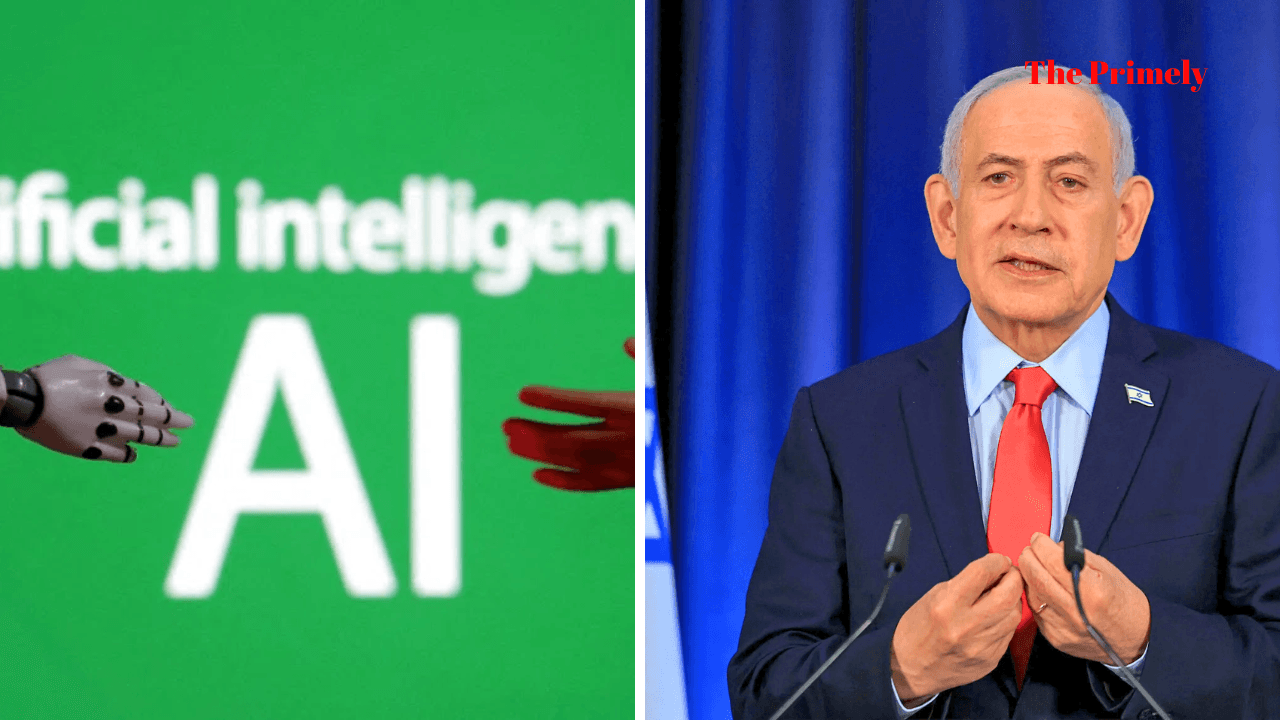
The AI misinformation war has opened a new front in the ongoing West Asia conflict, where truth itself is becoming difficult to verify. Viral videos, altered images, and AI-generated clips are no longer isolated incidents but part of a broader information battle.
A recent wave of speculation surrounding Israeli Prime Minister Benjamin Netanyahu highlights this shift. Online claims suggested he was replaced by an AI-generated version, triggered by a video anomaly that appeared to show extra fingers. While fact-checkers later dismissed these claims, the incident exposed a deeper concern about trust in digital media.
The Rise of AI in Conflict Narratives
The AI misinformation war is not just about isolated deepfakes. It represents a systematic transformation in how conflicts are reported and consumed. Social media platforms are flooded with manipulated visuals that blur the line between fact and fiction.
Experts note that generative AI tools can now create highly realistic images and videos, making it difficult for viewers to distinguish authenticity. Even minor visual glitches can spark widespread conspiracy theories, amplifying uncertainty during sensitive geopolitical events.
This environment has created a situation where both real and fake content compete for attention, often with equal credibility in the eyes of the public.
Netanyahu Video and the Trust Crisis
The controversy around Netanyahu’s video demonstrates how easily digital content can trigger misinformation cycles. Claims that he had been replaced by an AI version spread rapidly, supported by visual inconsistencies often associated with generative models.
In response, Netanyahu released videos attempting to prove his authenticity. However, these efforts were also scrutinized and questioned, showing how trust once lost becomes difficult to restore.
This episode illustrates a broader reality: even genuine content can be dismissed as fake in an AI-driven information landscape.
Information Warfare in the Digital Age
The AI misinformation war reflects a shift from traditional propaganda to advanced digital influence strategies. Governments, media networks, and independent actors are increasingly using AI tools to shape narratives.
Reports indicate that misinformation campaigns now include fabricated battle footage, exaggerated claims of military success, and altered images designed to influence public opinion. In many cases, these narratives are amplified through coordinated online networks.
This trend suggests that modern conflicts are fought not only on physical battlefields but also across digital platforms where perception plays a critical role.
Impact on Media and Public Perception
The growing presence of AI-generated content has significant implications for journalism and public discourse. Media organisations are under pressure to verify information more rigorously, while audiences must navigate an increasingly complex information environment.
Surveys and expert analyses show that people are becoming more skeptical of visual evidence. This skepticism, while healthy in some cases, can also lead to confusion and misinformation when legitimate content is questioned.
Strategic Implications for Global Conflicts
The AI misinformation war is reshaping how geopolitical strategies are executed. Control over information is becoming as important as control over territory.
Countries involved in conflicts are investing in digital capabilities to influence narratives, disrupt opponents, and maintain public support. At the same time, international institutions are struggling to keep pace with the rapid evolution of AI technologies.
Topics
Covering startup news, AI, technology, and business at ThePrimely. Delivering accurate, in-depth reporting on the stories that shape the future.