
Varoufakis Ecstasy Charge: Legal Case Raises Questions on Politics and Free Expression
Strong Opening Hook
A decades-old personal experience has triggered a modern legal case in Greece.
Former finance minister Yanis Varoufakis now faces charges linked to remarks about drug use from nearly 40 years ago.
The case has quickly evolved into more than a legal matter. It raises deeper questions about political accountability and freedom of expression.
Clear Explanation of the Situation
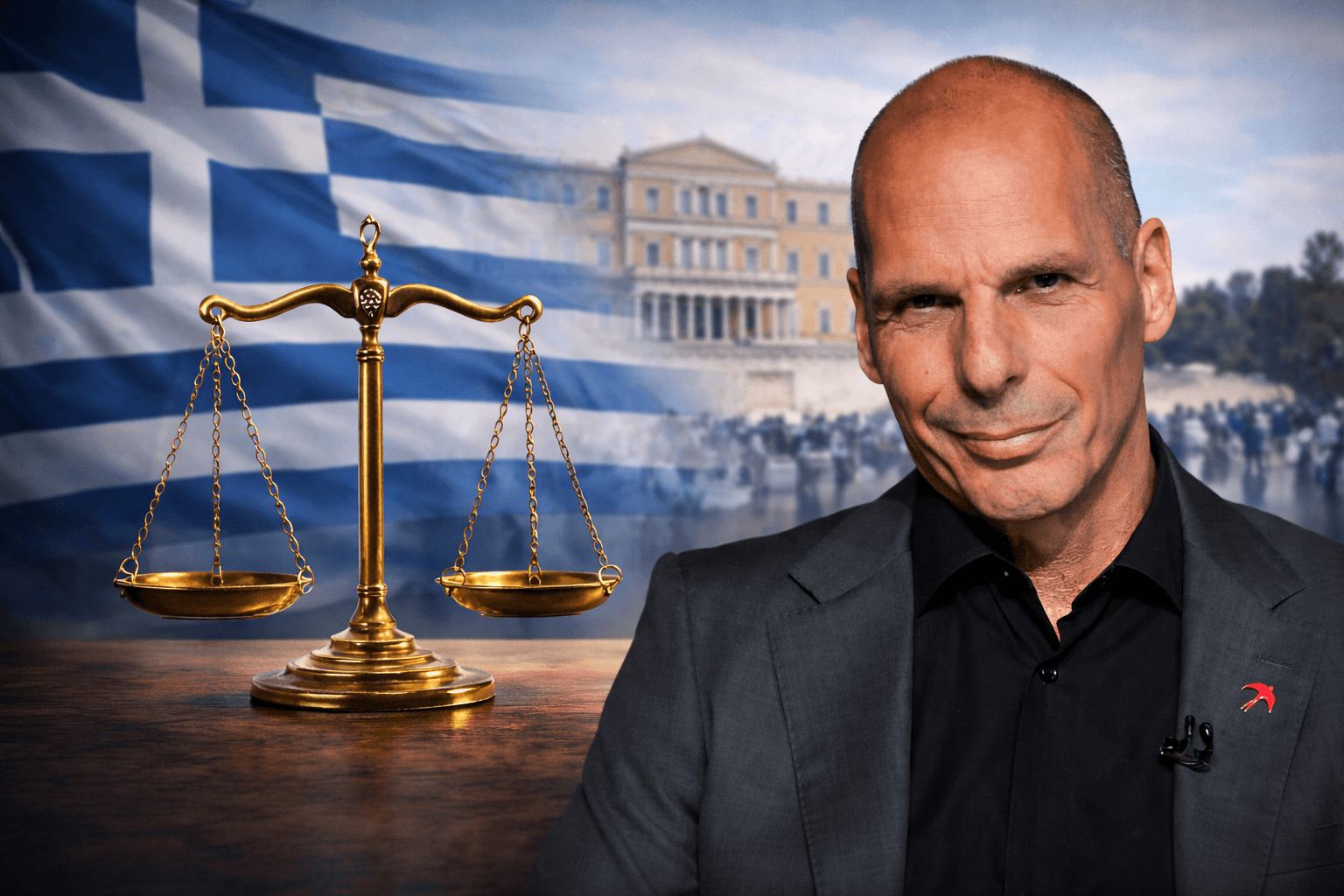
Greek authorities have charged Yanis Varoufakis with promoting drug use after he publicly discussed taking ecstasy decades earlier.
The comments were made during a podcast interview.
If the case proceeds, Varoufakis is expected to stand trial later this year.
Background Context
Varoufakis served as Greece’s finance minister during the 2015 debt crisis.
He became known for his unconventional style and strong opposition to European austerity policies.
Today, he leads the left-wing political party MeRA25.
His public statements often attract attention due to his outspoken political stance.
The current case stems from comments he made about trying MDMA, commonly known as ecstasy, in Australia in 1989.
Key Developments
Admission of Past Drug Use
Varoufakis acknowledged that he had taken ecstasy once during his time in Australia.
He described the experience as initially intense but followed by severe migraines.
He also admitted to past marijuana use.
Legal Charges
Authorities have charged him under laws related to the promotion of drug use.
The case focuses on whether his public remarks could be interpreted as encouraging illegal substances.
Varoufakis is scheduled to appear in court in December.
Political Response
His party, MeRA25, has strongly criticized the charges.
It claims the case represents an attempt to silence political opposition.
The party also argued that Greece should focus more on addressing addiction issues rather than prosecuting historical statements.
Industry and Political Impact
Legal Interpretation of Speech
The case highlights how drug-related laws can intersect with public speech.
Even historical accounts may be subject to legal scrutiny if interpreted as endorsement.
Political Sensitivity
Varoufakis remains a visible critic of government policy.
The charges have therefore drawn attention to potential political motivations.
However, authorities have not publicly framed the case as politically driven.
Public Debate
The situation has sparked broader debate in Greece.
Key questions include:
- Should personal past experiences be prosecutable?
- Where is the boundary between discussion and promotion?
These issues extend beyond Greece and apply to wider European legal frameworks.
Strategic Implications
Precedent for Political Speech
If enforced strictly, such laws could affect how public figures discuss personal history.
This could lead to greater caution in political communication.
Judiciary and Politics
The case places the judiciary under scrutiny.
Perceptions of fairness will be critical in maintaining public trust.
Drug Policy Debate
The case may revive discussions around drug laws.
Many European countries are reconsidering how they regulate substances and public discourse.
Future Outlook
Court Proceedings Ahead
The upcoming trial will be closely watched.
It may clarify how Greek law defines “promotion” of drug use.
Political Consequences
Regardless of the outcome, the case could influence Varoufakis’s political standing.
Legal battles often shape public perception as much as policy positions.
Broader Legal Impact
The ruling could set a precedent for similar cases.
It may influence how authorities approach public statements related to illegal activities.
Topics
Covering startup news, AI, technology, and business at ThePrimely. Delivering accurate, in-depth reporting on the stories that shape the future.