
RBI Defers Unique Transaction ID for OTC Derivatives
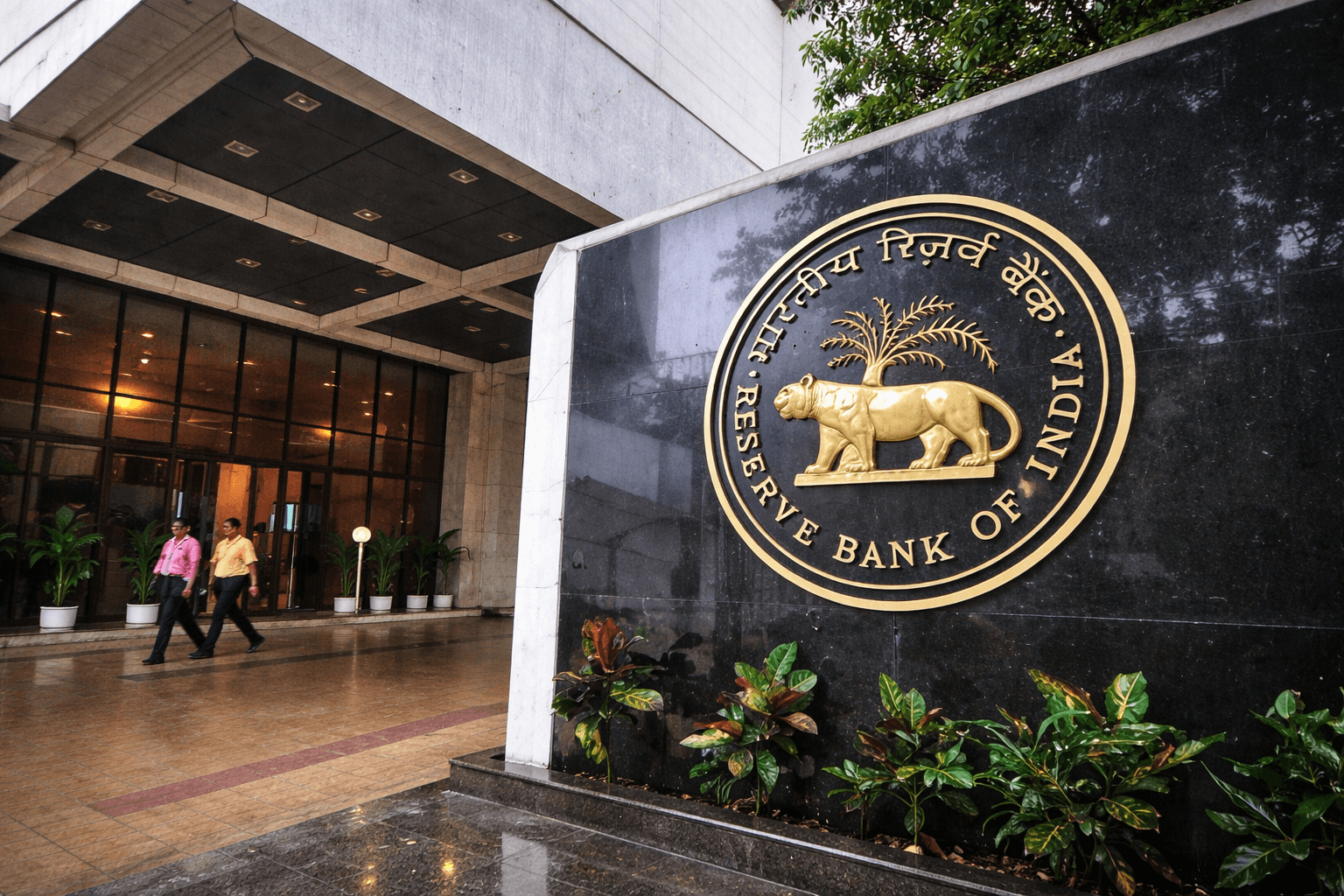
RBI Defers Unique Transaction ID Rollout for OTC Derivatives Until 2027
Reserve Bank of India has postponed the mandatory introduction of a unique transaction identifier (UTI) for over-the-counter (OTC) derivative transactions. The new implementation date is January 1, 2027.
The central bank said the deferral gives market participants additional time to prepare systems and reporting workflows.
RBI revises earlier rollout timeline
Earlier, the RBI had proposed a phased rollout beginning April 1, 2026. However, banks and market participants raised concerns about system readiness and tight timelines.
Therefore, the regulator extended the deadline. It said the revised schedule balances market stability with the goal of improving transparency.
What the UTI framework covers
The UTI requirement will apply to a wide range of OTC derivative contracts. These include rupee interest rate derivatives, foreign exchange derivatives, credit derivatives, and forward rate agreements.
Each transaction will receive a unique reference number. Regulators will use this identifier to track trades across reporting systems and repositories.
Why the identifier matters
The RBI said the UTI framework will improve data accuracy and risk monitoring. It will also help regulators detect build-ups of systemic risk more efficiently.
Moreover, the identifier will support better aggregation of derivatives data across counterparties. This is critical in markets where trades occur outside exchanges.
Operational flexibility introduced
Along with the deferral, the RBI introduced additional flexibility in reporting rules. Market participants may submit a temporary identifier if the final UTI is not immediately available.
They must then update the final code within five business days. Earlier proposals allowed only two days, which industry participants flagged as restrictive.
Responsibility for UTI generation
The RBI will retain a hierarchical “waterfall” approach to decide who generates the UTI. Depending on the transaction, this responsibility may fall on a central counterparty, a trade repository, or one of the counterparties.
However, the regulator clarified that it will not mandate a single electronic trading platform for UTI generation. This approach preserves operational flexibility.
Alignment with global standards
The RBI said the UTI framework aligns India’s derivatives market with international reporting standards. Several global regulators already use similar identifiers to enhance oversight of OTC markets.
Meanwhile, the RBI stressed that the deferral does not dilute its commitment to transparency. Instead, it reflects a calibrated approach to implementation.
What comes next
Market participants are expected to use the extended timeline to complete system upgrades and testing. The RBI will continue consultations and issue further clarifications if needed.
Once implemented, the UTI framework is expected to strengthen oversight, improve reporting quality, and enhance resilience in India’s derivatives market.
Topics
Covering startup news, AI, technology, and business at ThePrimely. Delivering accurate, in-depth reporting on the stories that shape the future.