
Trump Iran deal or strikes warning raises pressure ahead of Pakistan talks
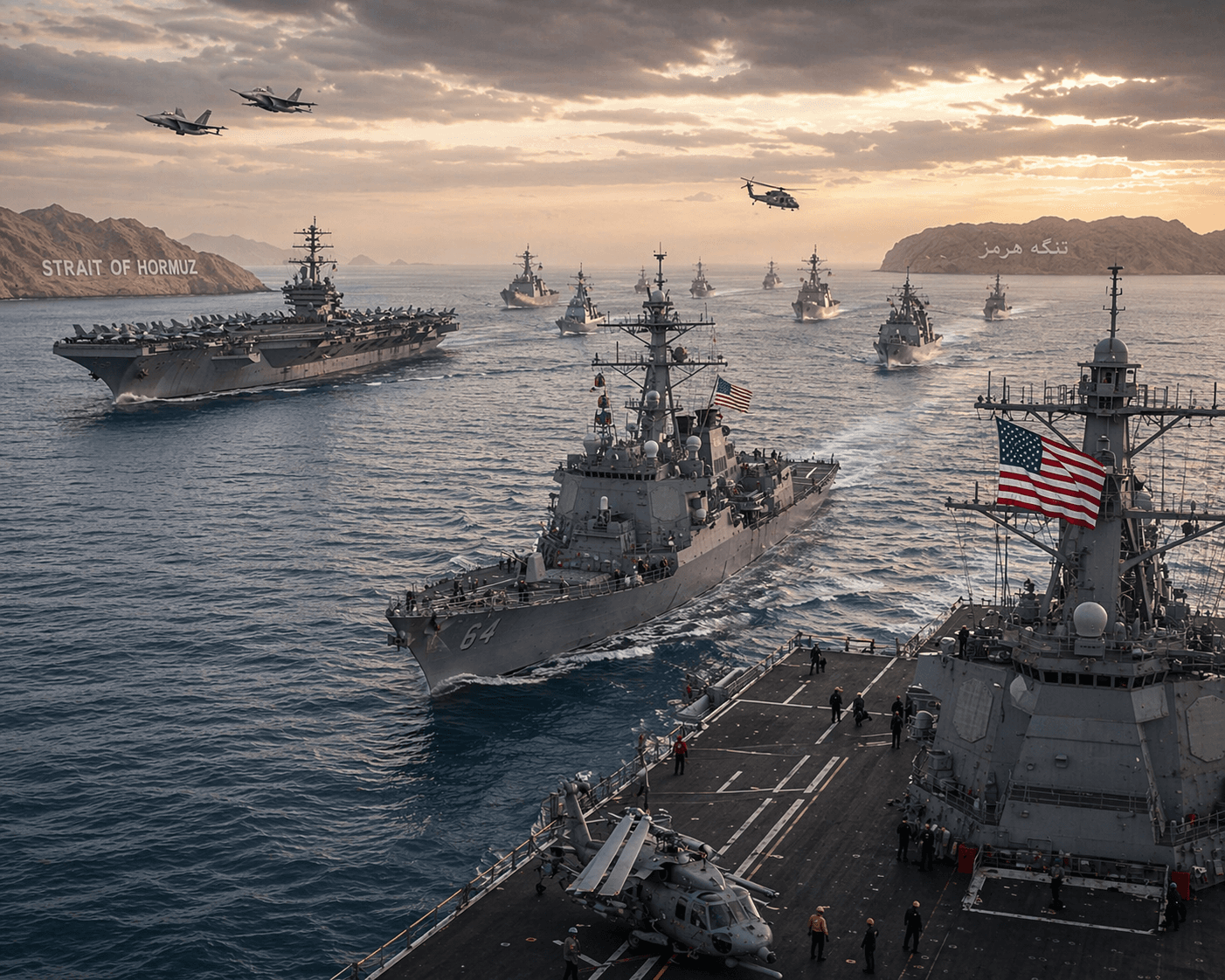
US signals readiness for military action if negotiations fail to ensure Strait of Hormuz access
Trump Iran deal or strikes statement has intensified geopolitical uncertainty as the United States prepares for negotiations aimed at reducing tensions with Iran.
US President Donald Trump said American warships were being reloaded with weapons ahead of diplomatic talks, indicating preparedness for military action if negotiations do not succeed.
In an interview with the New York Post, Trump said the United States had strengthened military readiness while pursuing diplomatic engagement.
The statement comes as negotiations are expected to take place in Pakistan involving officials from multiple countries.
Analysts say the dual approach of diplomacy and military preparedness reflects ongoing uncertainty regarding the conflict trajectory.
Strait of Hormuz access remains key issue in negotiations
The Strait of Hormuz remains central to discussions due to its importance as a major global shipping route.
Before the conflict escalated, more than 100 ships passed through the strait daily, transporting oil and other commodities to global markets.
Shipping activity has declined significantly during the conflict, with limited vessels recorded passing through the route even after the ceasefire announcement.
Restrictions on passage have affected global energy supply expectations and influenced oil price volatility.
Ensuring safe maritime navigation remains a key objective of diplomatic engagement between the United States and Iran.
Global markets continue monitoring developments affecting trade routes and commodity supply chains.
Role of Pakistan in facilitating diplomatic discussions
Pakistan is hosting discussions involving representatives linked to negotiations aimed at reducing tensions in the region.
US Vice President JD Vance said discussions with Iranian representatives could produce positive outcomes if constructive engagement continues.
Diplomatic observers note that third-party mediation can help facilitate communication channels between countries involved in geopolitical disputes.
Regional diplomatic engagement often plays an important role in addressing security concerns and reducing escalation risk.
Officials have emphasised the importance of maintaining stability in maritime trade routes affecting global economic conditions.
Policy analysts say multilateral dialogue may support confidence-building measures between the parties involved.
Military readiness maintained despite ceasefire framework
Trump stated that US naval forces have been equipped with additional weapons systems to ensure preparedness for potential escalation.
Military analysts say preparedness measures are often maintained during negotiation periods to strengthen bargaining positions.
Officials indicated that the United States remains prepared to respond if negotiations fail to produce an agreement.
Statements emphasised that military capability would be used only if diplomatic efforts do not succeed.
Observers note that strategic messaging can influence negotiation dynamics between countries involved in conflict.
The continued deployment of military assets reflects the importance placed on maritime security in the Gulf region.
Iran response highlights negotiation challenges
Iranian officials have indicated that negotiations may depend on conditions related to regional security developments.
Iran’s parliament speaker Mohammad Bagher Ghalibaf said certain previously discussed issues remain unresolved.
Statements from Iranian officials suggest that broader regional developments may influence progress in negotiations.
Diplomatic analysts say negotiation processes often involve complex conditions related to security, economic, and geopolitical considerations.
Observers note that continued dialogue may be necessary to address concerns related to maritime access and regional stability.
The negotiation environment remains sensitive to developments affecting multiple countries in the Middle East.
Global economic implications linked to Strait of Hormuz tensions
Energy markets continue to react to developments affecting supply routes through the Gulf region.
Disruption to shipping activity has contributed to volatility in oil prices and inflation expectations.
Countries dependent on imported energy remain particularly sensitive to developments affecting maritime access.
Financial markets often respond quickly to geopolitical developments affecting trade routes.
Analysts say stability in global energy supply chains is essential for maintaining economic growth.
Developments related to the Strait of Hormuz continue to influence commodity markets and investor sentiment.
Outlook as diplomatic negotiations continue
Policy observers expect continued monitoring of developments linked to negotiations in Pakistan.
Diplomatic engagement may influence the direction of geopolitical relations in the region.
The Trump Iran deal or strikes statement highlights ongoing uncertainty regarding final outcomes of negotiations.
Global stakeholders continue assessing developments affecting energy supply routes and regional stability.
Further diplomatic progress may influence financial markets and international trade flows.
Topics
Covering startup news, AI, technology, and business at ThePrimely. Delivering accurate, in-depth reporting on the stories that shape the future.