
UK Won’t Join Wider Middle East War, Starmer Says
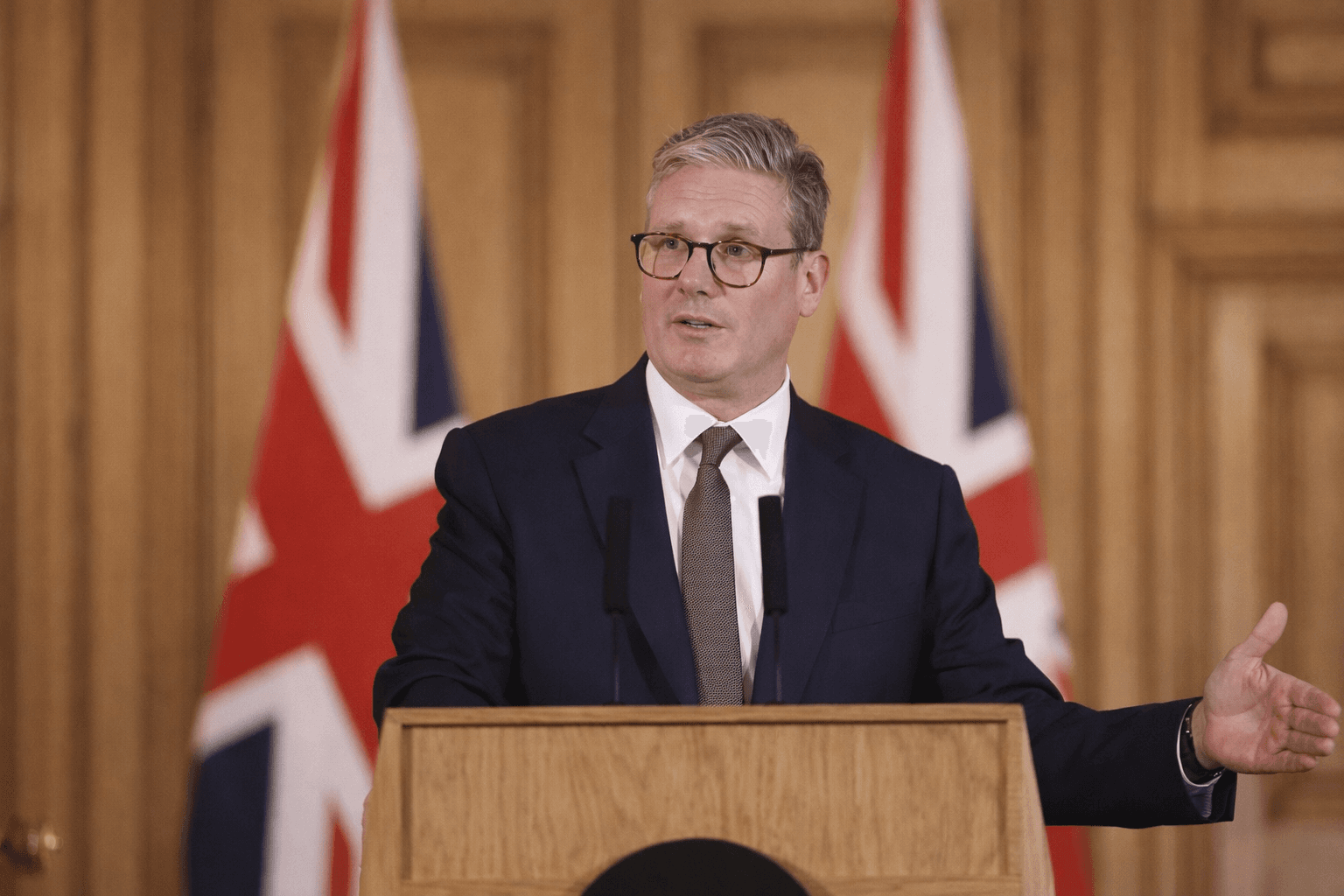
">UK Prime Minister Keir Starmer has said Britain will not become involved in a wider war in the Middle East despite escalating tensions linked to the conflict with Iran.
Speaking at a press conference in London, Starmer stressed that the United Kingdom would focus on diplomacy and coordination with allies rather than direct military escalation.
His comments come as attacks and shipping disruptions in the region threaten the Strait of Hormuz, one of the world’s most important oil transit routes.
Britain Working with Allies on Hormuz Plan
Starmer said Britain is working with international partners to develop a collective plan to reopen the Strait of Hormuz and restore maritime traffic.
The narrow waterway connects the Persian Gulf with the Arabian Sea and carries a large share of global oil and liquefied natural gas shipments.
“Ultimately we have to reopen the Strait of Hormuz to ensure stability in the oil market,” Starmer said, noting that achieving this would not be easy.
He added that Britain is discussing the issue with European partners and other allies to find a viable approach that can restore freedom of navigation.
Refusal to Join Wider War
Despite pressure from some allies to take stronger military action, Starmer insisted the UK would not be drawn into a broader regional conflict.
The British government has emphasised that any response must focus on stabilising the region and protecting global trade routes rather than expanding the war.
Officials also said a NATO-led military mission was not currently under consideration.
Starmer has argued that de-escalation remains the best path to reduce risks to global energy supplies and international security.
Tensions With the United States
The remarks come amid growing tensions between Western allies over how to respond to the crisis.
US President Donald Trump has urged NATO partners and other countries to send naval forces to help secure the Strait of Hormuz.
However, several nations have shown reluctance to deploy military assets to the region.
Germany, Japan and Australia are among countries that have indicated they currently have no plans to send warships to escort shipping through the strait.
Energy Crisis Adds Pressure
The crisis around the Strait of Hormuz has already affected global energy markets.
The waterway handles a significant share of the world’s oil shipments, and disruptions there have pushed energy prices higher.
Governments across Europe and Asia are monitoring the situation closely because prolonged instability could threaten fuel supplies and economic growth.
Starmer warned that the conflict must not escalate further and stressed the importance of international cooperation to protect vital trade routes.
Focus on Domestic Impact
The UK government has also announced measures to help households cope with rising energy costs linked to the crisis.
Officials say the government will provide financial support to vulnerable households that rely on heating oil as global prices increase.
Starmer said the priority is protecting British consumers while working with allies to stabilise the global energy market.
Topics
Covering startup news, AI, technology, and business at ThePrimely. Delivering accurate, in-depth reporting on the stories that shape the future.