
Trump Warns NATO Faces ‘Very Bad Future’ Over Iran War
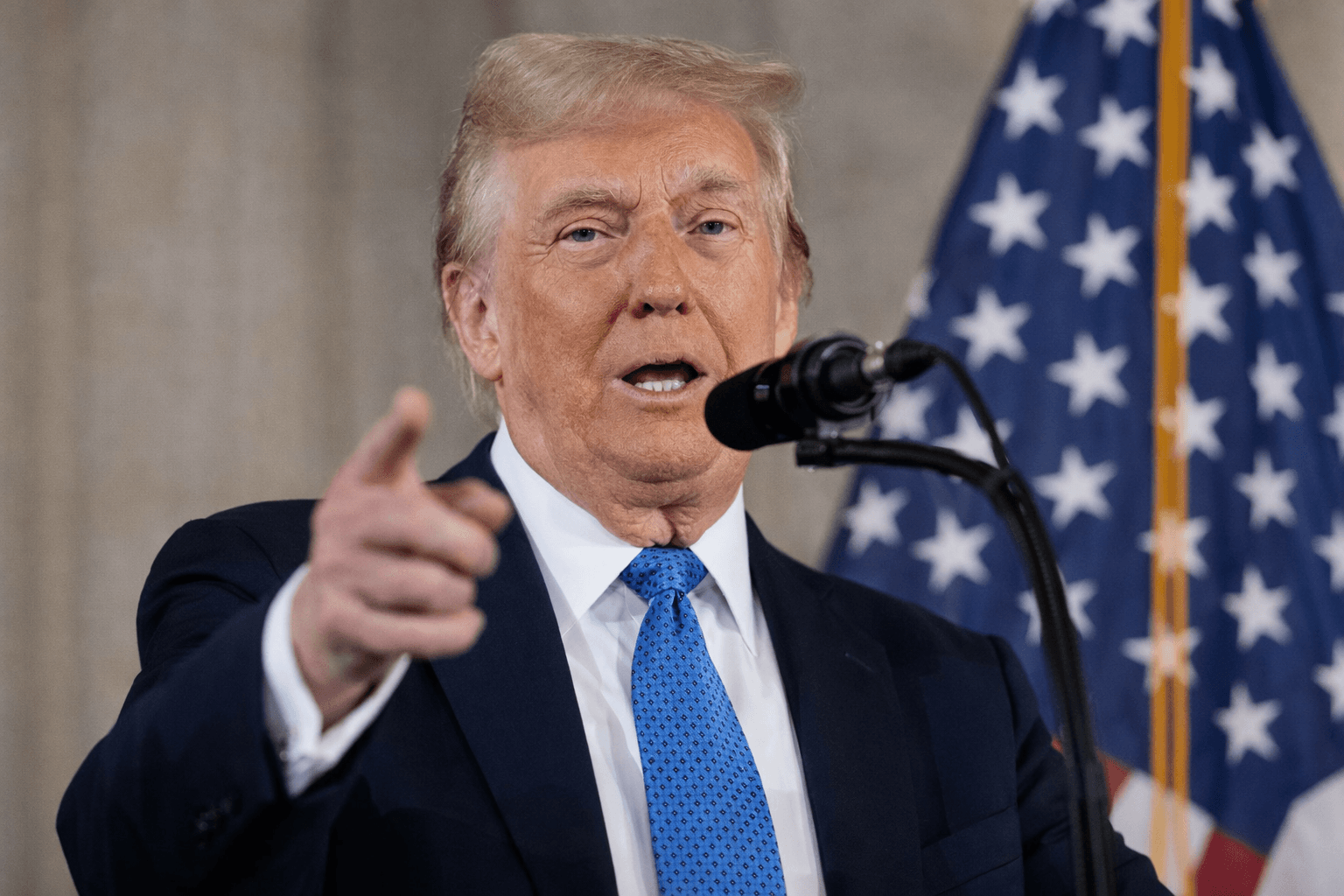
Trump Warns NATO Faces “Very Bad Future” if Allies Fail to Help US in Iran War
US President Donald Trump has warned that NATO could face a “very bad future” if its allies fail to support Washington in addressing the conflict involving Iran and the disruption of global energy routes.
In remarks reported by the Financial Times, Trump urged allies to contribute to efforts aimed at protecting shipping through the Strait of Hormuz, one of the world’s most critical oil transit routes.
The warning comes as maritime traffic through the strait remains severely disrupted following the outbreak of conflict in West Asia.
Pressure on Allies to Protect Shipping Route
Trump said countries that rely heavily on energy shipments through the Gulf should help safeguard the waterway.
The Strait of Hormuz connects the Persian Gulf to the Arabian Sea and carries roughly one-fifth of the world’s oil and liquefied natural gas shipments.
Disruptions to the route have already caused sharp swings in global energy markets.
Trump suggested that NATO members and other partners could contribute naval vessels, minesweepers, air defence systems and other resources to help secure the shipping lane.
Countries such as the United Kingdom, France, Japan and South Korea were among those he suggested could assist in protecting the corridor.
Allies Show Caution
Several US allies have taken a cautious approach to sending forces to the region.
Some governments worry that deeper involvement could escalate tensions with Iran and widen the conflict.
Japan and Australia have said they currently have no plans to deploy naval forces to escort ships through the Strait of Hormuz.
The United Kingdom is reportedly considering limited support roles, such as mine-clearing operations or logistical assistance.
The mixed response has added to tensions between Washington and its allies.
Trump Also Pressures China
Trump’s comments also included an appeal directed at China, one of the world’s largest consumers of Gulf energy supplies.
He argued that Beijing has a strong interest in maintaining safe shipping routes through the Strait of Hormuz.
Trump suggested that China should help support efforts to reopen and secure the corridor.
He also indicated that a planned meeting with Chinese President Xi Jinping could be affected if Beijing does not cooperate on the issue.
Strait of Hormuz at Centre of Energy Crisis
The Strait of Hormuz has become the focal point of global energy concerns since the conflict involving Iran escalated.
The narrow waterway serves as the primary export route for crude oil from major Gulf producers, including Saudi Arabia, Iraq, Kuwait and the United Arab Emirates.
Attacks on vessels and threats to block the route have caused shipping traffic to decline sharply.
Energy traders warn that prolonged disruption could push oil prices significantly higher.
Wider Impact on Global Economy
The crisis has already begun to ripple through global markets.
Oil prices have surged above $100 per barrel at times since the conflict began.
Shipping companies and insurers have also raised costs for vessels operating near the Gulf due to the heightened security risks.
Analysts say the situation could place further pressure on inflation and economic growth if energy supplies remain disrupted.
Growing Strain Among Western Allies
Trump’s warning highlights growing strain between the United States and some of its allies over how to respond to the crisis.
While Washington is pushing for a coordinated effort to protect the shipping route, many countries remain reluctant to become directly involved in the conflict.
The outcome of these discussions could shape the future of NATO cooperation as well as the stability of global energy markets.
For now, the Strait of Hormuz remains one of the most closely watched flashpoints in the global economy.
Topics
Covering startup news, AI, technology, and business at ThePrimely. Delivering accurate, in-depth reporting on the stories that shape the future.