
Trump Hormuz threat raises escalation risk as Iran conflict intensifies
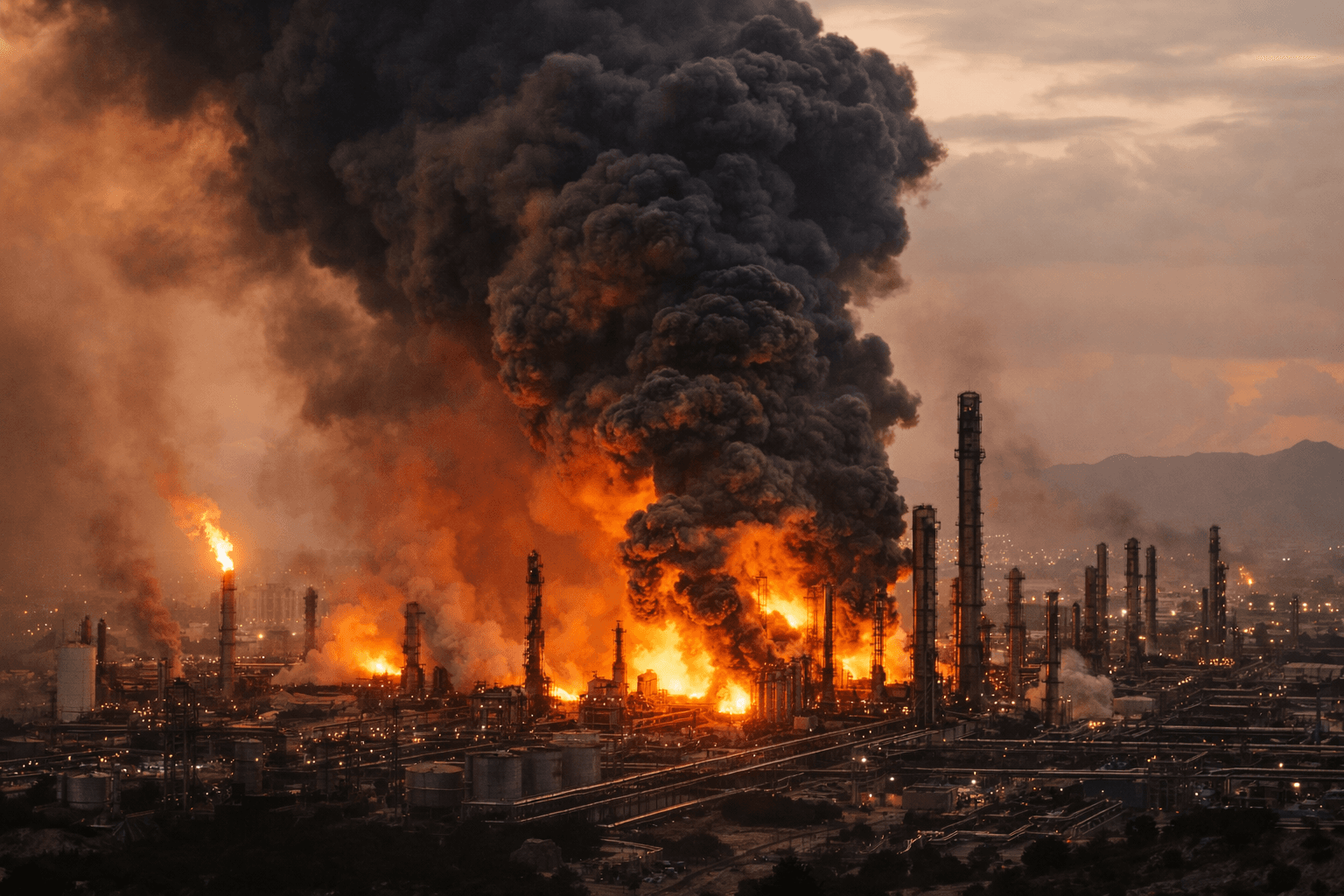
US warns of strikes on infrastructure if Strait of Hormuz shipping route remains restricted
Trump Hormuz threat has intensified geopolitical tensions after the United States warned Iran of potential strikes on infrastructure if the Strait of Hormuz is not reopened.
US President Donald Trump issued a strongly worded social media statement warning that Iran must allow ships to pass through the strategic maritime route or face military consequences.
The Strait of Hormuz is a critical global shipping lane through which about one fifth of the world’s oil and gas supply normally passes.
Disruptions to the route have contributed to rising energy prices and concerns about global inflation.
The Trump Hormuz threat follows repeated deadlines set by Washington demanding restoration of unrestricted shipping access.
Strategic importance of the Strait of Hormuz crisis
The Strait of Hormuz connects major oil-producing countries in the Gulf to global markets and plays a central role in international energy supply chains.
Countries including Saudi Arabia, Iraq, Kuwait and the United Arab Emirates rely heavily on the route for crude oil exports.
Restrictions on shipping have reduced tanker traffic and increased insurance costs for vessels travelling through the region.
Energy analysts say continued disruption could influence global fuel prices and logistics costs.
Asian economies remain particularly sensitive to developments affecting supply routes due to reliance on imported energy.
The Trump Hormuz threat highlights the strategic leverage associated with control of maritime trade corridors.
Timeline of escalating deadlines from United States
Trump has issued several deadlines for Iran to restore shipping access since tensions escalated in February 2026.
On 21 March, the US warned that Iranian power plants could be targeted if the Strait of Hormuz remained restricted.
Subsequent deadlines were extended multiple times as diplomatic discussions continued between the two countries.
The most recent deadline requires Iran to reopen the strait within 48 hours or face potential escalation.
US officials have indicated that negotiations remain ongoing despite strong rhetoric.
Iranian authorities have denied direct negotiations with Washington while criticising the US position.
Military developments across the Middle East region
The conflict has involved air strikes, missile attacks and drone operations affecting multiple locations in the Middle East.
Iran has launched strikes targeting infrastructure in Gulf countries considered allied with the United States.
Missile and drone attacks have affected facilities in Kuwait, Bahrain and the United Arab Emirates.
Reports indicate damage to petrochemical infrastructure linked to energy production.
Israel has also conducted strikes on Iranian infrastructure, including facilities linked to energy and transportation networks.
Authorities in several countries have reported incidents affecting industrial and residential areas.
Impact of conflict on global oil supply routes
Restrictions in the Strait of Hormuz have disrupted global oil shipments and increased price volatility in energy markets.
Oil prices have risen significantly since the beginning of the conflict as investors assess supply risk.
Shipping companies have faced increased insurance premiums due to elevated geopolitical risk.
Supply chain disruptions can influence production costs across industries dependent on fuel.
Economists say sustained increases in energy prices may contribute to inflation pressure globally.
Global markets continue to monitor developments affecting supply stability in the Gulf region.
Diplomatic signals amid continuing tensions
Despite strong rhetoric, US officials have indicated there remains a possibility of diplomatic engagement.
Trump has suggested that negotiations could still lead to an agreement to reopen shipping routes.
Iranian officials have indicated that transit through the strait may depend on compensation for damage linked to the conflict.
Policy analysts say maritime access remains a central issue in ongoing discussions between the two countries.
Diplomatic outcomes may influence stability in global commodity markets and trade flows.
Broader geopolitical implications of Trump Hormuz threat
The Trump Hormuz threat demonstrates the importance of strategic maritime routes in global economic stability.
Control of shipping corridors can influence international trade, energy prices and geopolitical relations.
Global powers continue to monitor developments due to potential implications for economic growth and inflation.
Energy-importing nations remain particularly sensitive to disruption in supply routes linked to the Gulf region.
The conflict continues to shape diplomatic and economic policy decisions across multiple regions.
Topics
Covering startup news, AI, technology, and business at ThePrimely. Delivering accurate, in-depth reporting on the stories that shape the future.