
India Fast Breeder Reactor: India has a nuclear reactor that can make more fuel than it burns, How Does This Breakthrough Change the Nation’s Energy Future?
A decisive shift in India’s nuclear strategy
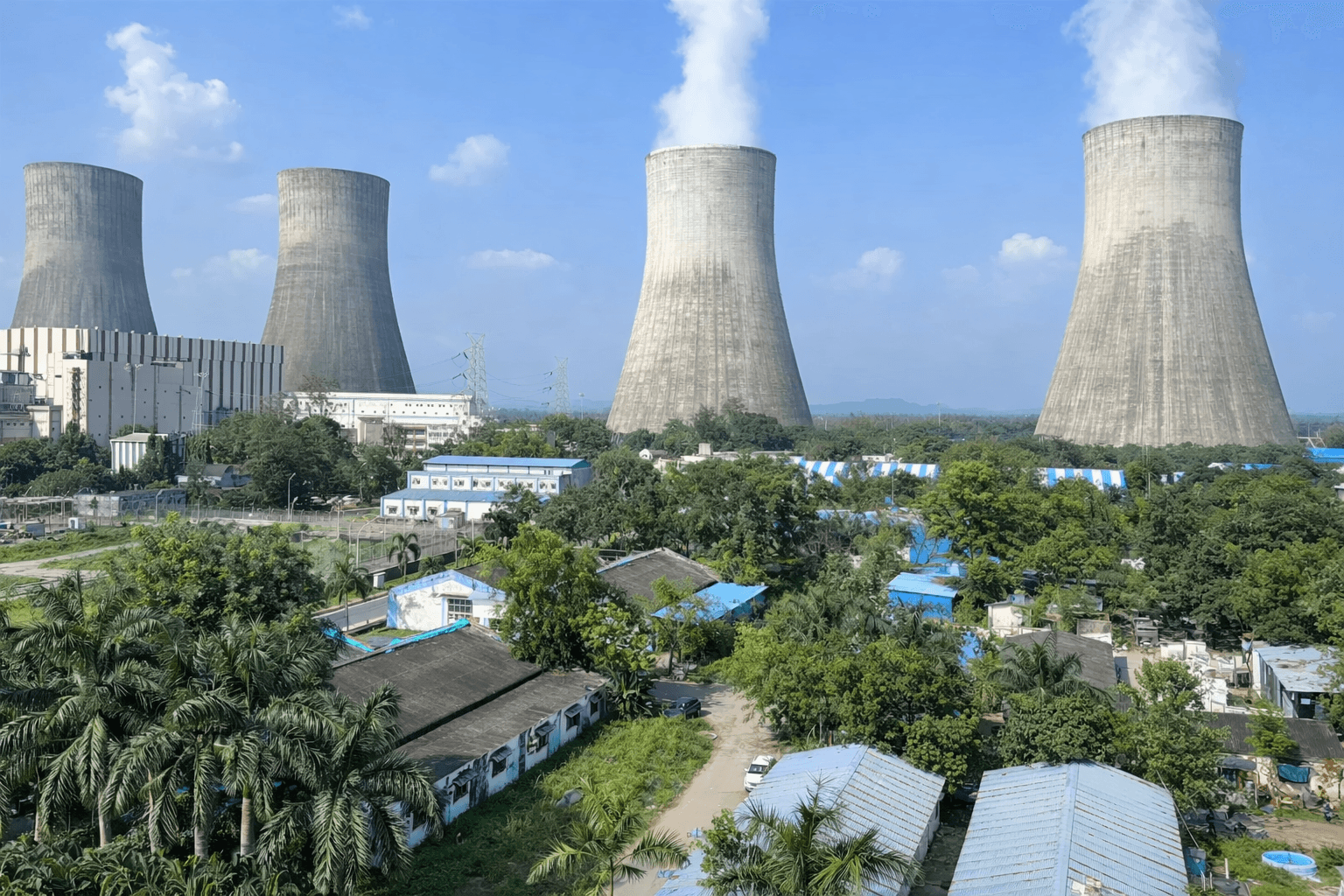
The India Fast Breeder Reactor program has reached a defining moment. The Prototype Fast Breeder Reactor at Kalpakkam has achieved criticality. This marks the point where a sustained nuclear chain reaction begins. This is not a routine milestone. It signals India’s transition into an advanced nuclear energy league. More importantly, it strengthens the country’s long term energy security.
What exactly has been achieved at Kalpakkam
The reactor at Kalpakkam, developed by the Indira Gandhi Centre for Atomic Research, is a 500 megawatt electric unit. It uses a mix of plutonium and uranium based fuel. Criticality means the reactor can now sustain a controlled chain reaction. This is the stage before full scale power generation. Unlike conventional reactors, this system produces more fuel than it consumes. It converts fertile material like uranium 238 into fissile plutonium. This is the core advantage of breeder technology.
Why India invested in breeder reactors
India’s nuclear strategy has always been resource driven. The country has limited uranium reserves but large thorium deposits. To address this, India designed a three stage nuclear program.
In the first stage, natural uranium fuels standard reactors, In the second stage, fast breeder reactors generate more fuel, In the third stage, thorium becomes the primary energy source. The Kalpakkam reactor is central to the second stage. Without it, the transition to thorium based energy remains incomplete.
Key developments and technical significance
The reactor uses liquid sodium as a coolant instead of water. This allows operation at higher temperatures and improves efficiency. It also enables breeding of new fuel during operation. As a result, the reactor creates more fissile material than it burns.
India now joins a small group of nations that have operational fast breeder reactor capability. This includes countries like Russia and China. The achievement follows years of delay, testing, and safety validation. Reaching criticality confirms system readiness and design stability.
Energy security and cost dynamics
This development directly impacts India’s energy landscape. First, it reduces dependence on imported uranium.
Second, it improves long term fuel availability.
Third, it supports stable base load power generation.
Nuclear energy provides consistent output unlike solar or wind. Therefore, it strengthens grid reliability. In addition, breeder reactors improve fuel efficiency significantly. This lowers the cost per unit of energy over time.
Strategic implications for India’s global position
The India Fast Breeder Reactor milestone enhances strategic autonomy. Energy independence is a key pillar of national security. Moreover, it positions India as a leader in advanced nuclear technology. This could open avenues for international collaboration and exports in the long term. It also aligns with climate commitments. Nuclear power offers low carbon energy at scale. As a result, it supports India’s transition toward cleaner energy systems.
What this means for India’s long term energy roadmap
The success at Kalpakkam validates decades of nuclear planning. It strengthens confidence in the three stage program. The next step involves scaling breeder reactors and integrating thorium based systems. However, challenges remain. These include cost management, regulatory oversight, and public acceptance. Even so, the current progress signals a stable and forward looking energy strategy.
A milestone with long term consequences
The India Fast Breeder Reactor is more than a technical success. It is a strategic breakthrough.
India has moved closer to fuel self reliance and energy security. At the same time, it has strengthened its position in clean energy innovation. The real impact will unfold over the next decade. Yet the direction is now clear. India is building a nuclear future that is both sustainable and self sufficient.
FAQ's
What is a fast breeder reactor?
A fast breeder reactor produces more nuclear fuel than it consumes by converting fertile material into fissile fuel.
Why is the Kalpakkam reactor important?
It is India’s first large scale breeder reactor and a key part of its long term nuclear strategy.
What does criticality mean in nuclear terms?
Criticality means the reactor can sustain a stable nuclear chain reaction.
How does this help India’s energy needs?
It reduces fuel imports, improves efficiency, and ensures reliable power generation.
What comes after this stage?
The reactor will move toward full power generation and support the transition to thorium based energy systems.
Topics
Covering startup news, AI, technology, and business at ThePrimely. Delivering accurate, in-depth reporting on the stories that shape the future.