
RBI Shuts Cooperative Bank: What Happens to Depositors’ Money Now And Why Was It Closed?
A regulatory action with immediate consequences
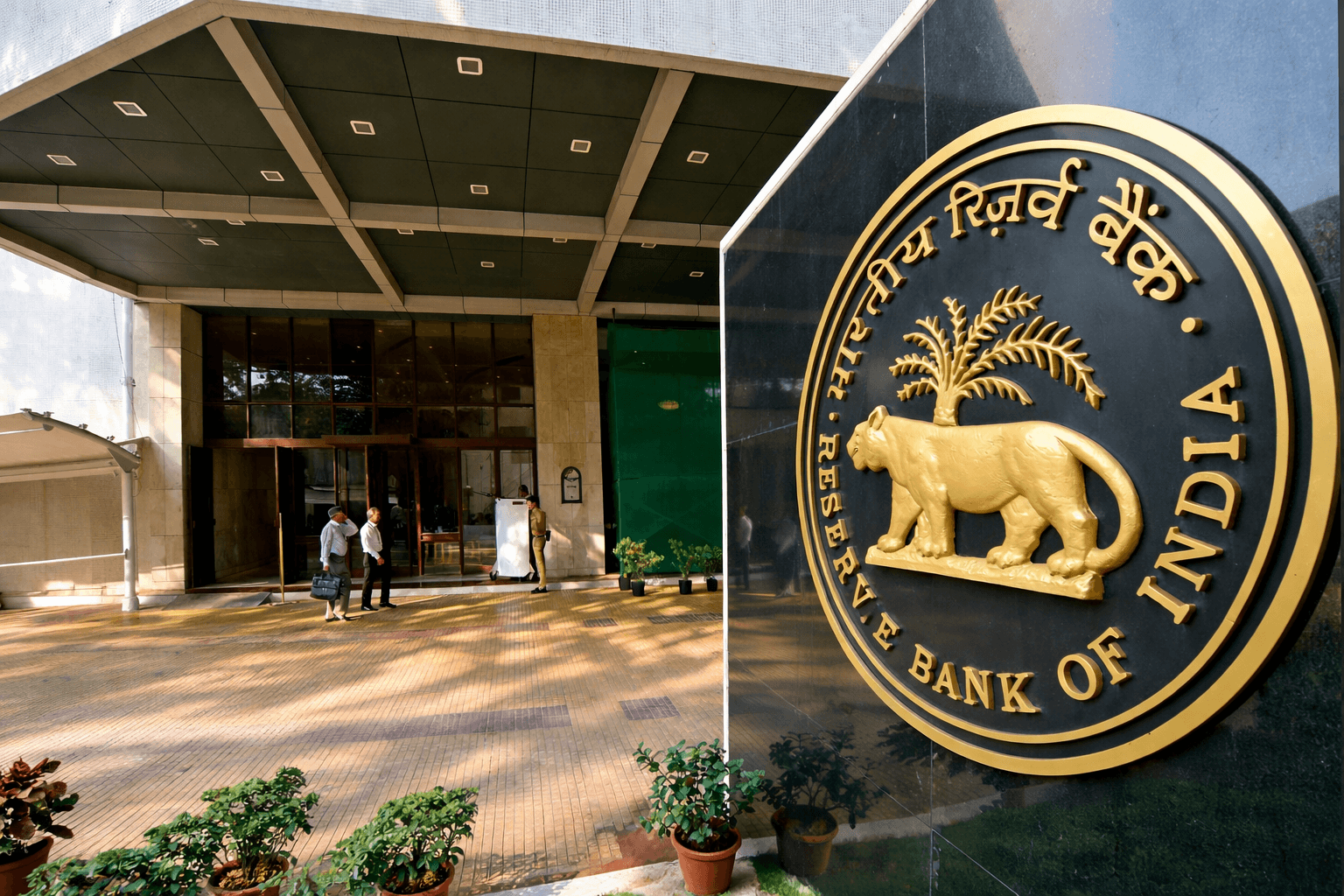
The RBI Shuts Cooperative Bank decision has once again put depositor safety into focus. The Reserve Bank of India has cancelled the licence of Shirpur Merchants’ Co operative Bank in Maharashtra. The bank has stopped all operations from April 6, 2026. This is not an isolated action. It reflects deeper concerns around financial stability in smaller banks.
Why the RBI cancelled the bank’s licence
The RBI took this step after assessing the bank’s financial condition. The core issue was clear. The bank lacked adequate capital and had weak earning potential. In simple terms, the bank could not sustain its operations. Continuing business would have put depositors at higher risk. Therefore, the regulator chose closure over prolonged uncertainty.
What happens to depositors’ money now
This is the most critical question. Depositors are protected under the Deposit Insurance and Credit Guarantee Corporation system. Each depositor is eligible for insurance coverage up to ₹5 lakh.
This includes both principal and interest. More importantly, available data shows that around 99.7 percent of depositors are likely to receive their full amount within this limit. Additionally, a significant portion of insured funds has already been paid out. This reduces uncertainty for customers.
What happens next in the closure process
The closure triggers a formal liquidation process. Authorities in Maharashtra will appoint a liquidator. The bank’s assets will be assessed and distributed accordingly. During this phase, depositors receive insured amounts first. Any remaining funds depend on asset recovery. However, for most customers, the insurance limit ensures near complete protection.
Impact on the banking sector
This decision sends a strong regulatory signal. First, it reinforces RBI’s zero tolerance for weak financial institutions. Second, it highlights ongoing stress in the cooperative banking sector. Third, it builds confidence in the deposit insurance framework. While such closures may create short term concern, they strengthen long term stability.
Why this matters beyond one bank
The RBI Shuts Cooperative Bank event is not just about one institution. It reflects structural challenges. Cooperative banks often face governance issues, limited capital access, and operational inefficiencies.
At the same time, India’s regulatory framework is becoming more proactive. Early intervention reduces systemic risk. This balance between enforcement and protection is critical for financial trust.
What depositors should learn from this event
This case offers a clear takeaway. Diversification matters. Keeping deposits within insured limits across banks reduces risk. It also highlights the importance of monitoring bank health, especially in smaller institutions.
Stability through decisive regulation
The RBI Shuts Cooperative Bank decision reflects a controlled and structured approach to financial risk. Depositors are largely protected. The system continues to function without disruption. The broader message is clear. India’s banking regulator is prioritizing stability, even if it requires tough decisions. In the long run, such actions strengthen confidence in the financial system.
FAQ's
Why did RBI shut this cooperative bank?
The bank lacked sufficient capital and had poor earning potential, making continued operations unsafe.
How much money is insured for depositors?
Each depositor is insured up to ₹5 lakh, including principal and interest.
Will all depositors get their full money back?
Around 99.7 percent of depositors are expected to recover their full deposits within the insured limit.
What is DICGC?
It is a subsidiary of RBI that provides deposit insurance to bank customers in India.
Should depositors be worried about other banks?
No immediate concern exists, but diversifying deposits across banks is a prudent strategy.
Topics
Covering startup news, AI, technology, and business at ThePrimely. Delivering accurate, in-depth reporting on the stories that shape the future.