
Israel Strikes Iran’s Largest Petrochemical Facility: What Triggered This Escalation?
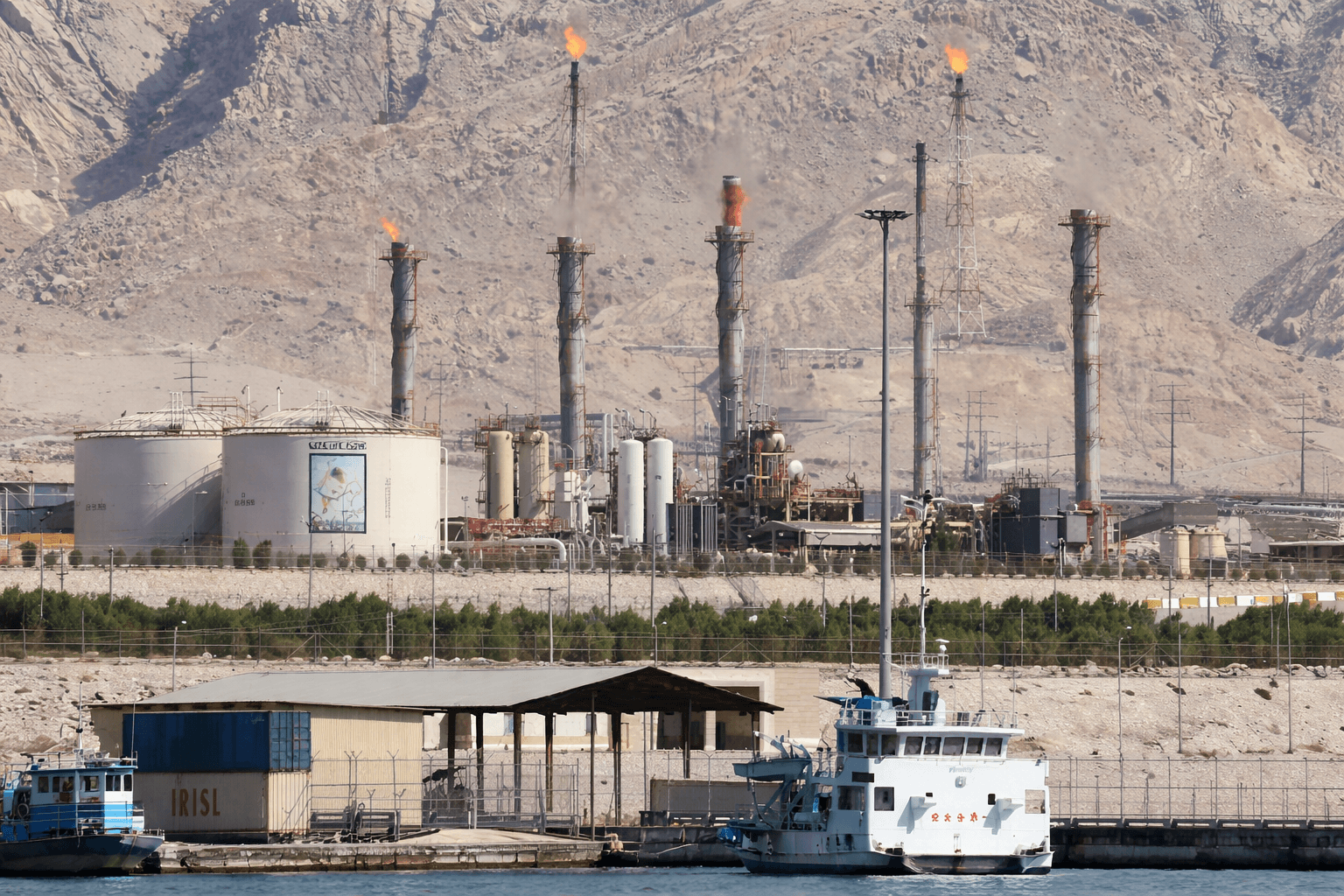
The Israel Iran petrochemical strike marks a critical escalation in an already volatile region. Israel confirmed it targeted Iran’s largest petrochemical complex, signaling a shift toward strategic infrastructure attacks. This move raises immediate concerns. It impacts not only regional stability but also global energy markets and supply chains.
What Happened in the Strike?
Israel carried out airstrikes on Iran’s South Pars petrochemical facility, one of the largest energy hubs in the world. The site plays a vital role in gas processing and petrochemical production. Reports indicate that multiple sections of the facility suffered damage.
Moreover, Visual evidence shows fires and heavy smoke rising from the complex. Iran acknowledged the attack and confirmed operational disruption. However, officials stated that emergency systems were activated to contain the damage.
Why This Facility Matters
South Pars is not just another industrial site. It is central to Iran’s energy infrastructure. It contributes significantly to Iran’s natural gas output. It also supports downstream industries such as plastics, fertilizers, and chemicals. Any disruption here has wider implications. It affects exports, domestic supply, and regional energy balance.
Rising Israel–Iran Tensions
Tensions between Israel and Iran have intensified over recent months. Both nations have engaged in indirect confrontations across multiple regions. Israel has consistently targeted Iranian assets it considers strategic threats.
These include military bases, weapons storage sites, and now energy infrastructure. This latest strike suggests a broader strategy. It signals willingness to hit economic and industrial targets, not just military ones.
Key Developments After the Strike
Following the attack, Iran warned of consequences. Officials hinted at potential retaliation, though specifics remain unclear. Meanwhile, global observers are closely monitoring the situation. Energy analysts flagged possible disruptions in supply chains. Oil prices showed early signs of volatility. Markets reacted to the risk of escalation rather than immediate supply loss.
Impact on Global Energy Markets
In This strike introduces fresh uncertainty into energy markets. Even limited disruption can influence pricing. This is because markets respond quickly to geopolitical risks.
Investors are particularly concerned about supply routes. The Strait of Hormuz remains a critical chokepoint. Any instability here could trigger broader market shocks. Additionally, petrochemical supply chains may face delays. This could impact industries worldwide, from manufacturing to agriculture.
Strategic Implications for the Region
This strike changes the nature of the conflict. It expands the battlefield from military zones to economic infrastructure. That shift carries risks. It increases the likelihood of retaliation targeting similar assets.
Regional players may also get involved. This could widen the conflict beyond bilateral tensions. Moreover, global powers are likely to step in diplomatically. Preventing escalation will be a key priority.
What Comes Next in This Conflict?
The situation remains fluid. However, several scenarios are possible. Iran may respond through direct or indirect means. Cyber attacks, proxy actions, or targeted strikes are potential options. Israel, on the other hand, may continue preemptive operations. Its strategy appears focused on limiting Iran’s strategic capabilities. Markets and governments will watch closely. Any further escalation could have immediate global consequences.
Israel Iran petrochemical strike is more than a tactical operation. It reflects a deeper strategic shift in the conflict. By targeting critical infrastructure, the stakes have risen significantly. The risks now extend beyond regional borders. Energy markets, global trade, and geopolitical stability are all at play. The coming days will determine whether this remains contained or escalates further.
FAQ's
1. Why did Israel target the petrochemical facility?
Israel aims to weaken Iran’s strategic and economic capabilities by targeting key infrastructure.
2. How important is the South Pars facility?
It is one of the world’s largest gas and petrochemical hubs, crucial for Iran’s energy output.
3. Will oil prices rise due to this attack?
Prices may rise due to uncertainty, even if actual supply remains stable.
4. Could this lead to a wider war?
Yes, if retaliation escalates or other regional players get involved.
5. What should global markets watch next?
Key signals include Iran’s response, shipping routes, and any further strikes on infrastructure.
Topics
Covering startup news, AI, technology, and business at ThePrimely. Delivering accurate, in-depth reporting on the stories that shape the future.