
Israel Iran War: Israel tells Iranians to avoid trains ,Why Are Strikes Intensifying and What Comes Next?
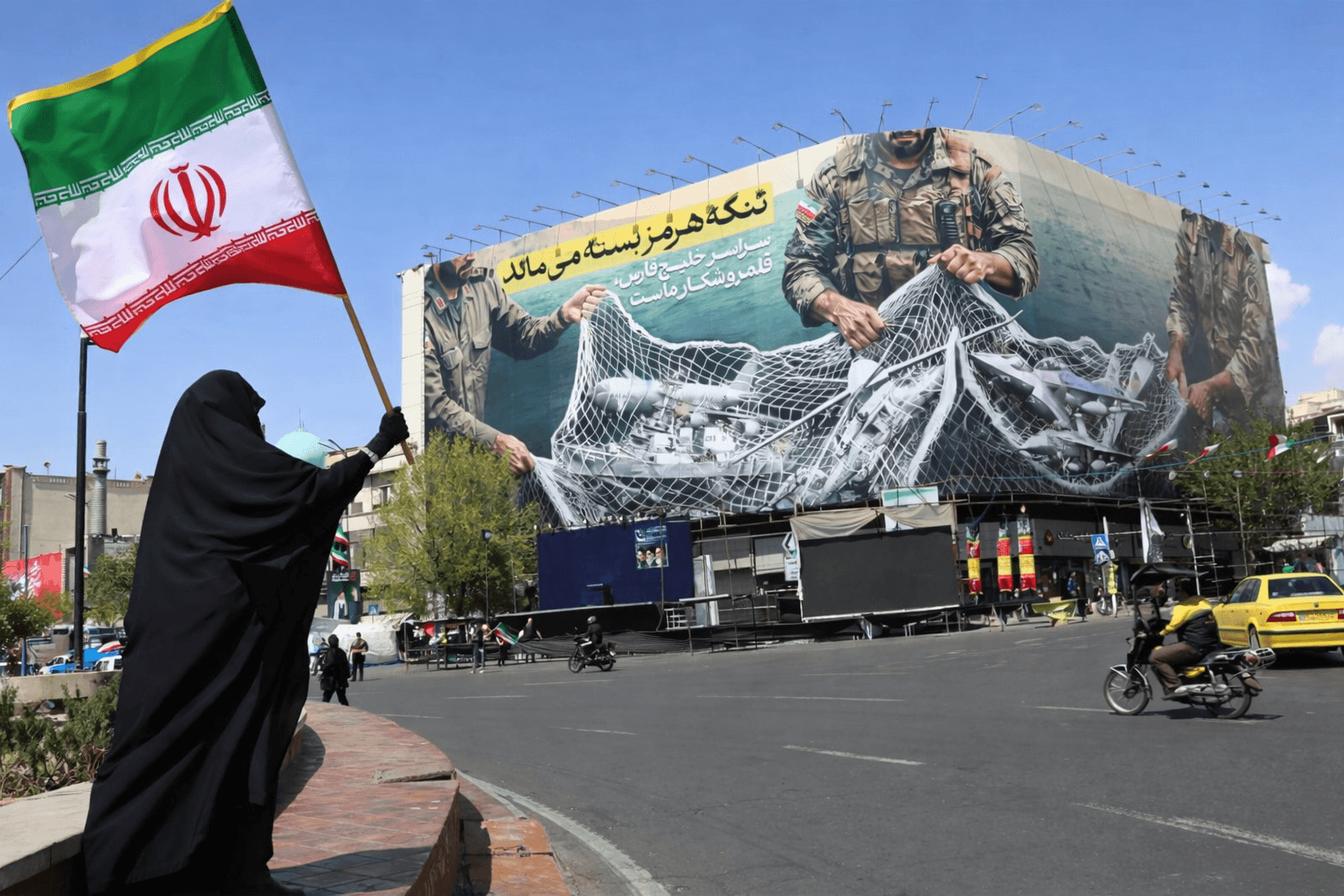
A conflict entering a decisive phase
The Israel Iran War has entered a sharper and more dangerous phase. Israel has carried out a fresh wave of extensive airstrikes across Iran. At the same time, diplomatic efforts are weakening.
This is no longer a contained regional clash. It is now a multi-front conflict with global consequences. Oil markets, supply chains, and political alliances are all under pressure.
What triggered the latest escalation
Recent developments show a clear pattern of intensification. Israeli forces have expanded their targeting scope. Strikes now include airports, military infrastructure, and strategic facilities across Iran. In response, Iran has launched retaliatory missile attacks. Some of these have reached Israel and neighboring countries. Saudi Arabia reported intercepting multiple ballistic missiles aimed at its eastern region.
At the same time, Israel issued unusual public warnings inside Iran. Civilians were told to avoid rail networks, indicating potential targeting of transport infrastructure. This marks a shift. The conflict is moving from military containment to systemic disruption.
How the war reached this point
The current war began on February 28, 2026, with coordinated US and Israeli operations targeting Iranian infrastructure. Since then, the conflict has expanded rapidly. Key developments include Large scale Israeli strikes on Iranian military and missile facilities, Iranian retaliatory missile attacks across the region, Rising casualties across Iran, Israel, and neighboring states, Increased involvement of global powers.
The conflict has also hit symbolic and sensitive locations. Missile debris has even landed near religious sites in Jerusalem earlier in the escalation. This shows how quickly the conflict can destabilize the wider region.
Ceasefire talks collapsing under pressure
Diplomatic efforts are struggling to keep pace with military escalation. The United States has pushed for a ceasefire linked to reopening the Strait of Hormuz. However, Iran has rejected the proposal. Instead, it has offered a broader plan demanding sanctions relief and an end to regional hostilities.
Meanwhile, mediators from multiple countries are attempting to revive talks. Yet momentum is weak. The situation is further complicated by strong rhetoric. The US has warned of severe consequences if Iran does not comply. Iran has responded with threats of large scale retaliation. This reduces the space for negotiation.
Oil markets under stress
The economic consequences are already visible. The Strait of Hormuz, a critical global oil route, is partially disrupted. Traffic has dropped sharply. As a result, oil prices have surged above $110 per barrel.
This has three major implications:
First, energy importing countries face rising costs.
Second, inflation risks are increasing globally.
Third, supply chain stability is weakening.
In addition, warnings suggest that up to 45 million people could face food insecurity due to supply disruptions. This transforms the conflict from a regional war into a global economic risk.
A widening conflict architecture
The structure of the conflict is changing. Israel is targeting not just military assets but also infrastructure that supports Iran’s regional influence. This includes facilities linked to weapons transfer networks and proxy groups. At the same time, Iran is expanding its response beyond Israel. Missile activity has affected multiple countries in the region.
This creates a networked conflict. Multiple states are now indirectly involved. Another critical factor is military signaling. The warning to avoid railways suggests future strikes may disrupt civilian linked infrastructure. This raises legal and humanitarian concerns. International organizations have already warned about potential violations and rising civilian risks.
What lies ahead for the Israel Iran War
The trajectory of the conflict depends on two key variables. The first is diplomacy. If negotiations fail completely, escalation is likely to intensify. The second is economic pressure. Rising oil prices and supply disruptions could force external intervention.
However, current signals suggest a prolonged conflict. Both sides are increasing operational intensity while maintaining firm political positions. This combination often leads to extended instability rather than quick resolution.
A conflict with global consequences
The Israel Iran War is no longer a localized military confrontation. It is evolving into a broader geopolitical crisis. Military escalation, failed diplomacy, and economic disruption are converging.
The most important insight is this. The conflict’s impact now extends far beyond the battlefield. It is reshaping global energy flows, political alignments, and economic stability. Any resolution will require more than military restraint. It will demand coordinated diplomatic and economic intervention at a global level.
FAQ's
What triggered the latest Israel strikes on Iran?
Israel expanded its operations to target key military and infrastructure sites across Iran, increasing pressure on Tehran.
Why is the Strait of Hormuz important in this conflict?
It is a critical global oil route. Disruptions have pushed oil prices above $110 per barrel.
Are ceasefire talks still ongoing?
Yes, but they are weakening. Iran has rejected current proposals, and negotiations remain uncertain.
How is this war affecting the global economy?
Rising oil prices, supply chain disruptions, and inflation risks are already impacting global markets.
Could the conflict spread further?
Yes. Missile exchanges and regional involvement indicate a growing risk of wider escalation.
Topics
Covering startup news, AI, technology, and business at ThePrimely. Delivering accurate, in-depth reporting on the stories that shape the future.