
Strait of Hormuz crisis sees India-bound LPG tankers cross key energy route
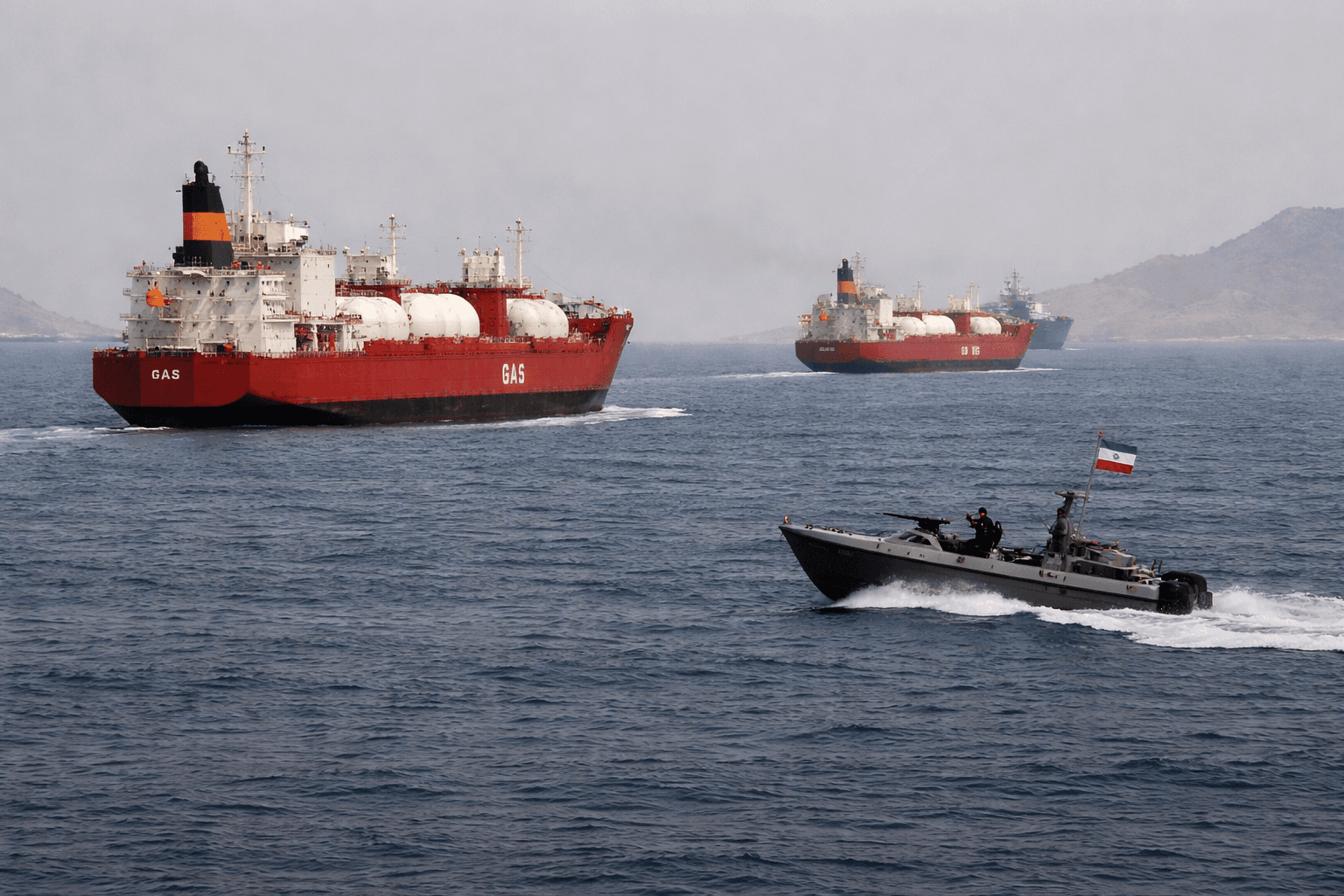
Strait of Hormuz crisis impacts India LPG supply chain
The Strait of Hormuz crisis continues to influence global energy supply chains as two India-bound LPG tankers navigate the strategic maritime corridor. The vessels, identified as BW Elm and BW Tyr, are currently transiting the eastern part of the Strait of Hormuz, according to ship-tracking data.
The development comes amid heightened geopolitical tensions in the Middle East, where conflict has disrupted shipping activity through one of the world’s most critical oil transit routes. Analysts say the movement of these tankers indicates cautious progress in restoring energy flows to India.
The vessels are part of efforts to move stranded cargoes out of the Gulf region following disruptions linked to the ongoing regional conflict. Earlier shipments including Shivalik, Nanda Devi, Pine Gas, and Jag Vasant have also departed the area.
Strategic importance of the Strait of Hormuz crisis
The Strait of Hormuz is considered one of the most significant global energy chokepoints, with roughly one fifth of global oil supply passing through the narrow waterway. Any disruption in the region can influence global fuel prices and supply stability.
The ongoing Strait of Hormuz crisis began after military escalation involving the United States, Israel, and Iran earlier in 2026. The situation led to warnings from Iranian authorities restricting vessel movement through the corridor, causing significant declines in tanker traffic.
Shipping companies and insurers have classified the region as high risk due to threats of drone attacks, missile strikes, and naval confrontations. Insurance costs for vessels operating in the region have therefore increased sharply.
Meanwhile, naval forces from several countries have increased monitoring operations to ensure safe passage for commercial vessels transporting energy supplies.
India energy security concerns amid Strait of Hormuz crisis
India relies heavily on imports to meet domestic LPG demand, making uninterrupted shipping access critical for household fuel availability. Approximately 60 percent of India’s LPG consumption is met through imports, with a large share sourced from Middle Eastern producers.
Officials have prioritised household LPG supply as disruptions affected deliveries in recent weeks. Authorities have also adjusted allocation of commercial LPG to balance supply needs across industrial sectors.
Industry analysts indicate that India has been gradually moving stranded vessels out of the conflict zone to stabilise domestic supply chains. Several Indian-flagged ships remain in the region awaiting clearance to transit the strait.
Additionally, India has explored alternative sourcing strategies to reduce dependency on a single region for energy imports. Reports suggest increased procurement of crude oil from Russia as part of broader diversification efforts.
Regional geopolitical developments influence shipping activity
Iran has indicated that vessels from countries considered non-hostile may continue transit through the Strait of Hormuz, provided coordination with authorities is maintained. This approach has allowed limited movement of energy shipments despite ongoing tensions.
Meanwhile, regional actors including Yemen-based groups have threatened disruptions to nearby maritime routes such as the Bab al-Mandeb Strait, raising broader concerns over global trade flows.
International observers note that disruptions to maritime transport corridors can affect not only oil and gas shipments but also global trade volumes. The Strait of Hormuz plays a central role in linking Middle Eastern energy producers to major consuming markets in Asia.
The ongoing crisis has therefore increased attention on maritime security cooperation and alternative logistics planning among importing nations.
Market implications linked to Strait of Hormuz crisis
Energy market volatility has increased since the escalation of tensions in the Middle East. Oil prices have responded to uncertainty surrounding supply routes and geopolitical developments affecting the Gulf region.
Higher shipping risks and insurance premiums have also contributed to increased transportation costs for fuel imports. Analysts suggest these costs may eventually influence domestic energy prices if disruptions continue.
Additionally, logistical adjustments such as rerouting ships or deploying naval escorts can increase operational expenses for energy companies. Governments and industry participants are therefore monitoring developments closely.
Shipping data indicates that some vessels have resumed movement under coordinated arrangements, suggesting cautious adaptation by global supply networks.
Ongoing developments in global shipping routes
Ship-tracking data suggests that multiple vessels remain positioned near the Strait of Hormuz awaiting transit clearance. The gradual movement of tankers indicates partial restoration of trade routes despite ongoing risks.
Global policymakers continue diplomatic efforts to prevent further escalation that could disrupt energy markets. Meanwhile, shipping companies are balancing operational risks with the need to maintain supply continuity.
As the Strait of Hormuz crisis evolves, energy-importing nations including India are assessing contingency strategies to safeguard fuel availability. Continued monitoring of geopolitical developments is expected to shape shipping patterns in the coming weeks.
Topics
Covering startup news, AI, technology, and business at ThePrimely. Delivering accurate, in-depth reporting on the stories that shape the future.