
Oil Above $100 as US-Iran Talks Confusion Shakes Markets
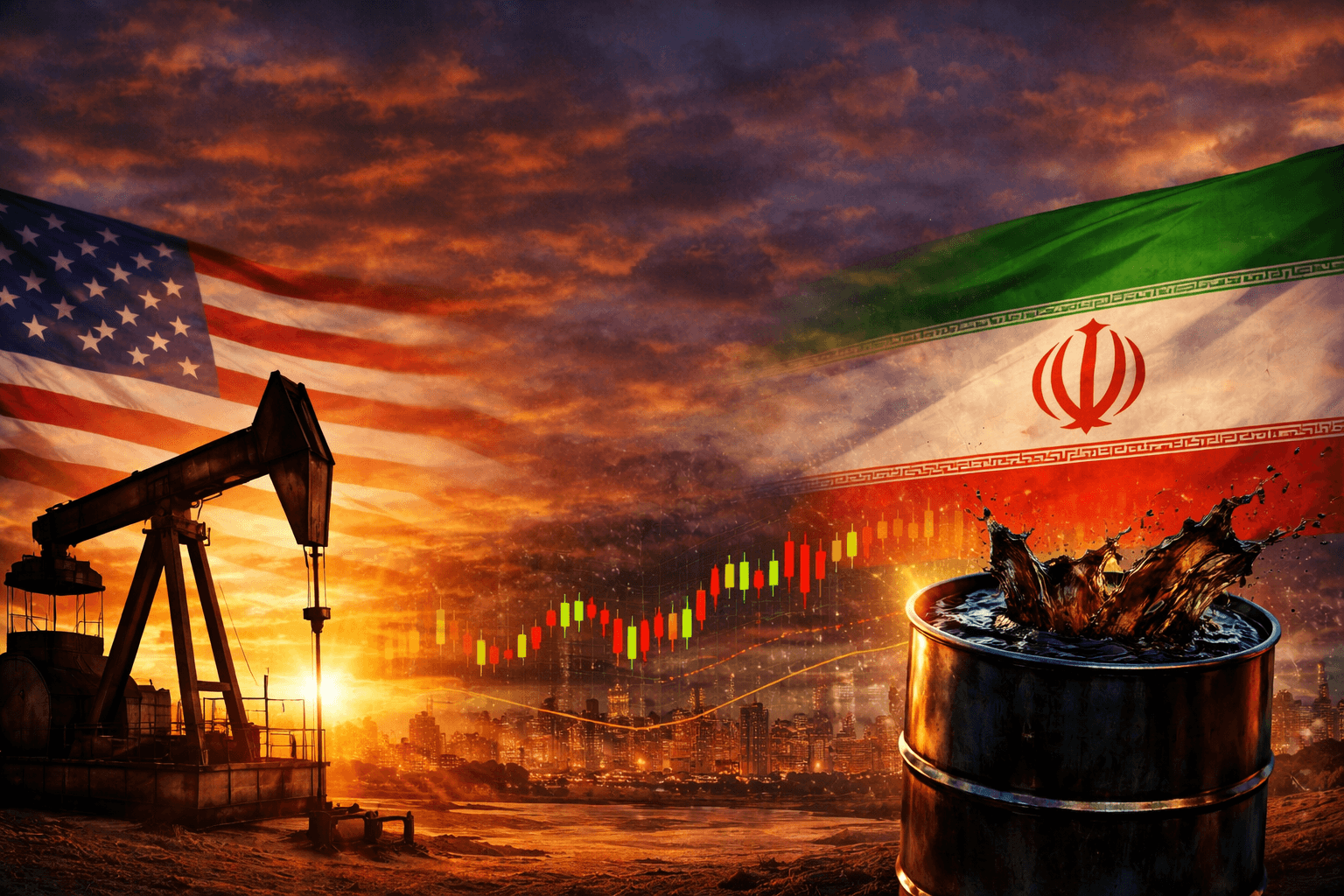
Oil prices have climbed back above $100 a barrel as uncertainty surrounding possible talks between the United States and Iran continues to unsettle global markets.
Investors had briefly expected tensions to ease after signals from Washington suggested diplomatic discussions could take place. However, Iranian officials rejected claims that negotiations were underway, creating confusion that quickly influenced trading behaviour in energy markets.
The price of Brent crude rose again after falling earlier in the week, highlighting how sensitive global oil markets remain to geopolitical developments.
Markets React to Mixed Messages
Oil prices initially dropped when US President Donald Trump suggested that planned strikes on Iranian energy infrastructure might be postponed. Markets interpreted the comments as a possible sign of de-escalation in the conflict.
However, Tehran denied that any formal communication had taken place, calling the claims an attempt to influence global markets.
The conflicting statements created uncertainty among traders, pushing oil prices higher once again as fears of supply disruption returned.
Energy markets have remained highly volatile since the conflict began, with prices moving sharply in response to political signals and military developments.
Why the Strait of Hormuz Matters
The Strait of Hormuz remains central to the global energy crisis. The narrow shipping route connects the Persian Gulf to international markets and carries roughly one fifth of the world’s oil supply.
Any threat to shipping through the strait can quickly influence global fuel prices.
Since the start of the conflict, shipping risks have increased, causing delays and raising insurance costs for vessels travelling through the region.
Because many countries depend heavily on oil passing through this route, even small disruptions can affect global supply levels.
Higher oil prices often increase transportation costs, which can raise the price of goods and services worldwide.
Global Stock Markets Show Cautious Stability
Despite volatility in energy markets, stock markets showed signs of stabilising after earlier losses.
Asian markets recovered modestly after sharp declines, reflecting cautious optimism among investors.
Major indexes in Japan, Hong Kong and South Korea posted gains after experiencing earlier pressure linked to rising oil prices.
European markets also showed mixed reactions, with some indexes recovering initial losses as investors assessed the risk of prolonged supply disruptions.
The relatively stable market performance suggests investors are waiting for clearer signals about future developments in the conflict.
Impact on Inflation and Economic Growth
Higher oil prices can contribute to rising inflation, as fuel costs influence transportation, manufacturing and household expenses.
When energy prices increase, central banks may delay interest rate cuts in order to control inflation pressures.
Higher interest rates can slow economic growth but may also support currency strength, particularly the US dollar.
This connection between energy prices, inflation and interest rates demonstrates how geopolitical events can influence broader financial conditions.
Countries Take Steps to Manage Energy Risks
Governments and policymakers are taking steps to reduce the economic impact of rising oil prices.
Some countries have adjusted fuel pricing policies to limit the burden on consumers, while others are exploring alternative energy sources to reduce dependence on disrupted supply routes.
Temporary policy adjustments, including easing certain oil trade restrictions, have also been introduced to stabilise global supply.
However, analysts say such measures may only provide short-term relief if geopolitical tensions continue.
Oil Markets Remain Sensitive to Political Developments
Oil markets often react quickly to political statements because supply disruptions can affect global economic stability.
Even rumours of diplomatic talks or military escalation can influence investor expectations and price movements.
The recent rise in oil price above $100 shows how fragile market confidence remains as uncertainty continues around the US-Iran conflict.
Analysts say energy markets are likely to remain volatile until clearer signs of stability emerge in the region.
A Market Driven by Uncertainty
The return of oil prices above $100 highlights the continuing influence of geopolitics on global markets.
Conflicting signals about diplomacy and military action have created an environment where investors must respond quickly to new developments.
As tensions around the Strait of Hormuz continue, the direction of oil prices will remain closely linked to political decisions as well as supply conditions.
For consumers and businesses, rising energy costs may continue to influence inflation, travel costs and the price of essential goods.
The current situation demonstrates how interconnected global markets have become, where regional conflicts can rapidly affect economies worldwide.
Topics
Covering startup news, AI, technology, and business at ThePrimely. Delivering accurate, in-depth reporting on the stories that shape the future.