
Rajnath Singh Warn Italy Against Sharing Defence Technology With Pakistan Now
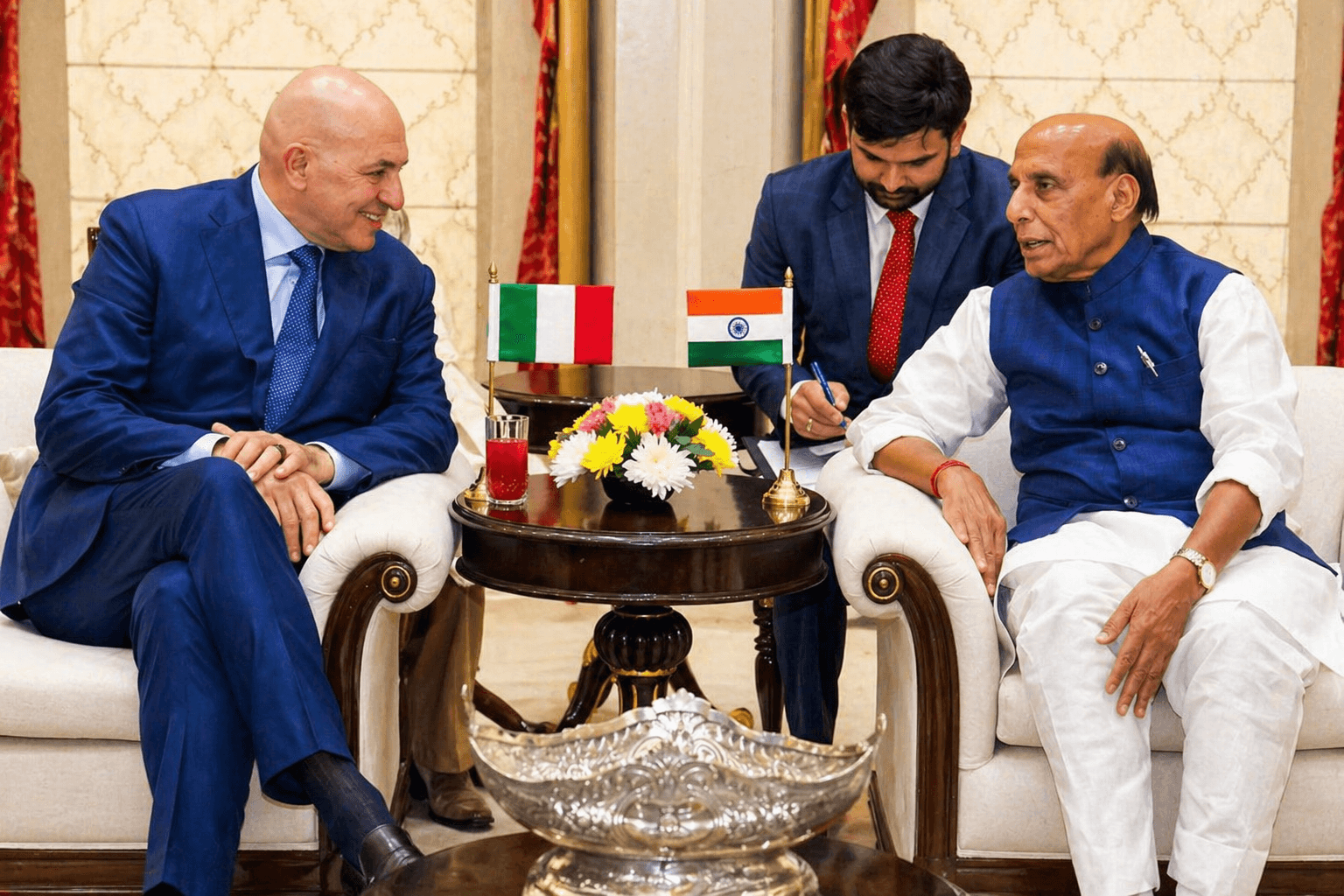
The Rajnath Singh Italy defence warning marks a significant diplomatic message. It reflects India’s sharpened security concerns and strategic caution. During high level bilateral talks, Defence Minister Rajnath Singh urged Italy not to share sensitive defence technology with Pakistan.
The message was direct. India’s concern centers on the potential misuse of advanced military systems by elements linked to terrorism. This statement comes at a crucial geopolitical moment. Regional security tensions remain elevated. Defence partnerships are becoming increasingly strategic.
What Prompted India’s Firm Position
India’s concern is rooted in national security.
New Delhi has repeatedly raised objections over military support reaching Pakistan through external partnerships. Indian officials believe that certain advanced systems could eventually strengthen capabilities that threaten regional stability.
Rajnath Singh highlighted that any transfer of sensitive defence technology must account for misuse risks. This was not simply a diplomatic caution. It was a strategic signal. India wants trusted partners to weigh regional consequences before expanding defence cooperation.
Why Defence Transfers to Pakistan Raise Concern
India and Pakistan share a long history of military tensions. Security concerns have intensified due to repeated cross border terror incidents over the years.
India has consistently argued that advanced military technology supplied to Pakistan carries strategic implications beyond bilateral defence cooperation.
This concern becomes more significant when technologies involve surveillance systems, aerospace capabilities, or advanced defence platforms. For India, the issue is not just technology transfer. It is about regional balance.
The Strategic Context Behind India and Italy Talks
The warning came during bilateral defence discussions aimed at strengthening India Italy cooperation. Both nations are expanding defence engagement. This includes technology collaboration, industrial partnerships, and strategic dialogue.
However, India used this platform to communicate a clear expectation. Partnerships must align with shared security interests. India’s message suggests that deeper defence cooperation also requires strategic trust. This reflects New Delhi’s broader diplomatic doctrine. Security alignment matters as much as commercial collaboration.
Why This Matters for Regional Security
The Rajnath Singh Italy defence warning carries wider implications for South Asian security. Any defence technology shared with Pakistan could alter operational dynamics in the region. Even incremental upgrades can shift tactical capabilities.
India remains cautious because modern defence systems can influence surveillance reach, intelligence gathering, and combat readiness.
Moreover, such transfers could complicate regional deterrence calculations. That makes this more than a bilateral diplomatic exchange. It is a regional strategic issue.
What This Signals About India’s Defence Diplomacy
India’s position reflects growing confidence in its global defence diplomacy. The country is increasingly assertive in communicating its red lines. This approach shows three key strategic shifts.
First, India is prioritizing preventive diplomacy. Second, it is linking defence cooperation with security accountability. Third, it is reinforcing expectations from strategic partners. This is a mature diplomatic posture. It combines firmness with engagement.
How Italy Could Respond
Italy now faces a strategic balancing decision. It values defence engagement with India. At the same time, broader international defence relationships also matter. A careful response is likely.
Italy may increase consultation mechanisms with India on sensitive transfers. It may also review technology sharing frameworks more closely. Such measures could strengthen trust between both countries.
What This Means for India’s Security Strategy
India is increasingly proactive in shaping external defence decisions that affect its interests. This reflects a broader shift in strategic thinking. Rather than reacting later, India is intervening early through diplomatic channels.
That approach reduces ambiguity. It also sends a message to global partners that India expects strategic responsibility.
A Clear Message With Broader Strategic Weight
The Rajnath Singh Italy defence warning is more than a diplomatic remark. It reflects India’s evolving defence posture and sharper strategic focus. By urging Italy to avoid sharing sensitive defence technology with Pakistan, India has reinforced its security concerns clearly and firmly.
This development highlights a larger reality. Modern defence diplomacy is no longer just about cooperation. It is about alignment, trust, and strategic responsibility. The coming months will reveal how this message shapes future defence engagements.
FAQ's
Why did Rajnath Singh warn Italy?
He urged Italy not to share sensitive defence technology with Pakistan due to concerns over possible misuse.
What are India’s main concerns?
India fears advanced defence systems could strengthen capabilities that threaten regional security.
Does this affect India Italy defence ties?
No immediate disruption is expected, but strategic trust will remain central.
Why is Pakistan part of this concern?
India cites longstanding security tensions and risks linked to terrorism.
What does this signal about India’s diplomacy?
It shows a more assertive and preventive approach to protecting national security interests.
Topics
Covering startup news, AI, technology, and business at ThePrimely. Delivering accurate, in-depth reporting on the stories that shape the future.