
Iran-Israel War LIVE: Khamenei Signals ‘New Phase’ in Hormuz
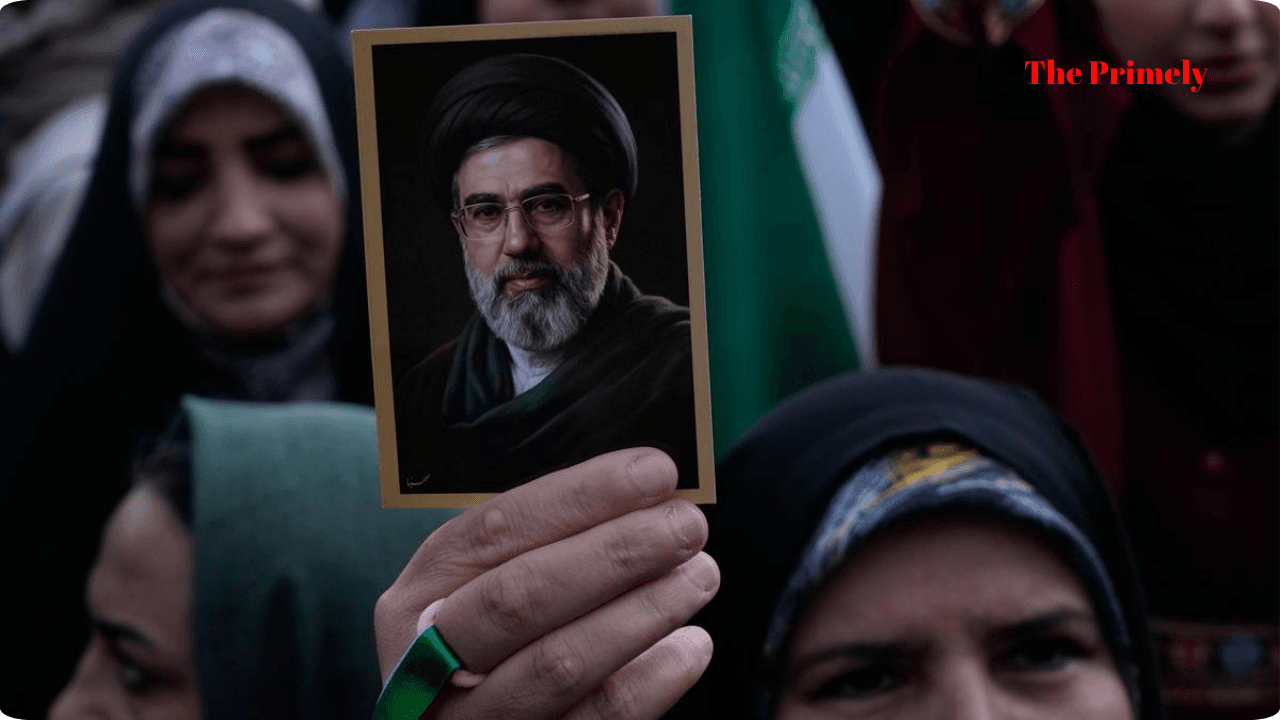
The Iran Israel US war has entered a volatile new phase, even after a temporary ceasefire. Rising oil prices, renewed military planning, and stalled diplomacy are pushing the conflict back into global focus, with serious economic and strategic consequences.
A Fragile Ceasefire Under Pressure
The conflict began on February 28, 2026, when the United States and Israel launched coordinated strikes on Iran, targeting military and nuclear-linked infrastructure. Iran responded with missile and drone attacks across the region, including on US bases and Israeli targets.
A ceasefire brokered on April 8 briefly reduced direct clashes. However, tensions remain high as both sides continue aggressive posturing and strategic positioning.
Recent developments suggest the ceasefire is increasingly fragile, with new military options being actively considered in Washington.
US Weighs Fresh Military Action
The United States is now reviewing plans for a “short and powerful” wave of strikes aimed at forcing Iran into concessions.
Military leadership is preparing options that include targeted infrastructure attacks and even strategic control of key maritime routes.
This signals a shift from containment to pressure tactics, reflecting frustration over stalled negotiations.
Strait of Hormuz Crisis Deepens
At the heart of the conflict lies the Strait of Hormuz, a critical global energy chokepoint. Iran’s blockade and US countermeasures have disrupted nearly 20% of global oil supply.
Shipping routes remain unstable, and efforts are underway to form an international coalition to secure the passage.
This maritime standoff has become the central battlefield, shaping both military strategy and global economic outcomes.
Oil Prices Surge, Markets React
The war’s most immediate global impact is on energy markets. Oil prices have surged above $120 per barrel, reaching multi-year highs amid supply disruptions.
The uncertainty has triggered volatility across global markets, with rising fuel costs affecting transport, inflation, and industrial output.
Even short-term military developments are now directly influencing global pricing trends.
Economic and Strategic Impact
The financial cost of the war is already significant. The United States alone has spent an estimated $25 billion on the conflict so far.
Iran’s economy has also taken a hit, with disruptions to industrial production and exports. Damage to infrastructure and trade routes is expected to have long-term consequences.
Strategically, both sides appear locked in a high-stakes standoff, with neither willing to concede on key issues such as nuclear policy and regional influence.
Diplomacy Stalls as Positions Harden
Negotiations remain deadlocked. The US is demanding limits on Iran’s nuclear program before easing pressure, while Iran insists on ending the conflict and restoring trade routes first.
This disagreement has created a diplomatic stalemate, increasing the risk of renewed escalation.
Topics
Covering startup news, AI, technology, and business at ThePrimely. Delivering accurate, in-depth reporting on the stories that shape the future.