
Trump Iran Tensions Rise: What Is the Real Risk Now Behind Escalating Threats and Military Signals?
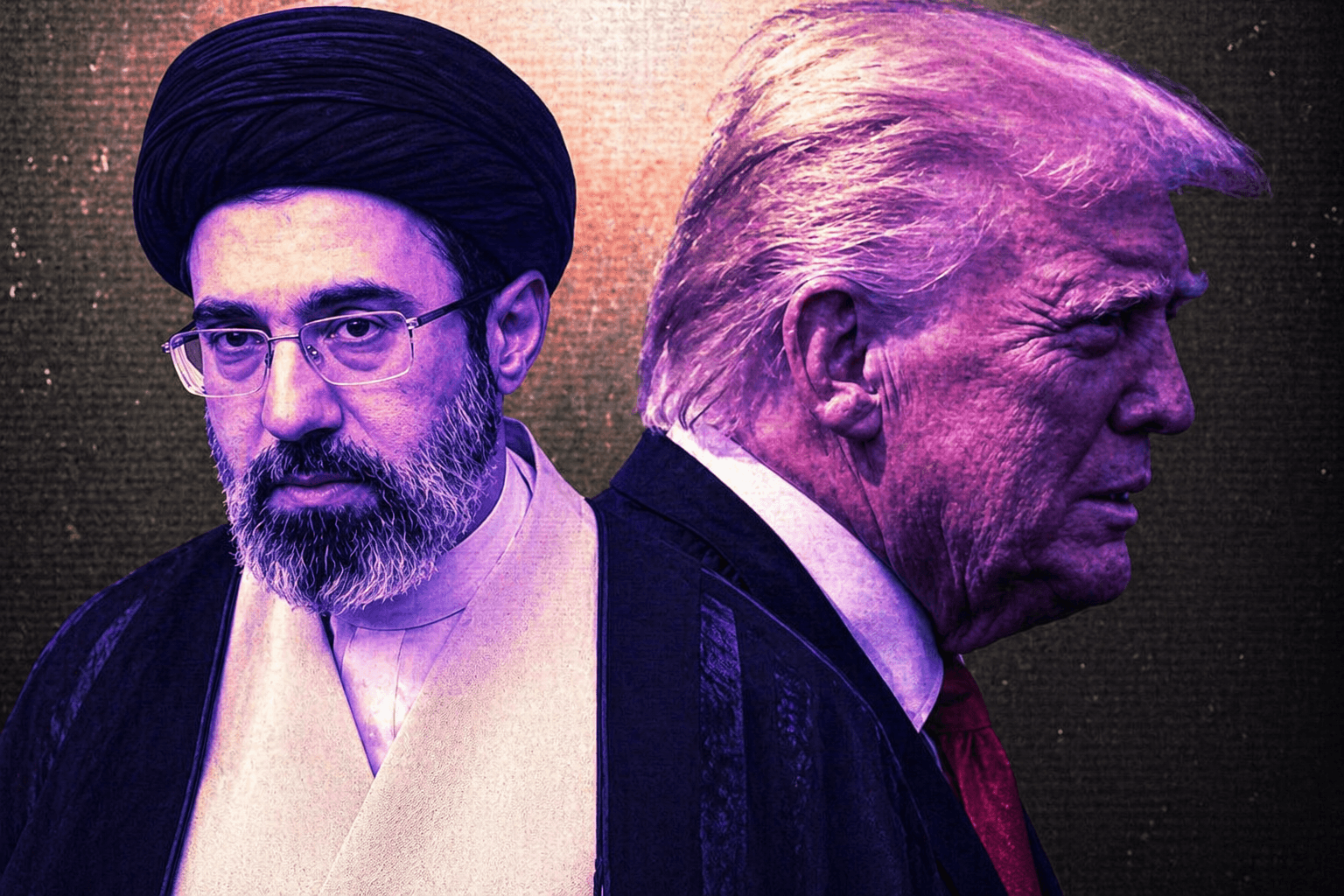
The latest escalation in Trump Iran tensions signals more than political rhetoric. It reflects a deeper strategic confrontation. Both sides are sharpening their positions. The risks now extend beyond diplomacy into potential military action.
Recent statements from Donald Trump and warnings from Iranian officials show a clear shift. The tone is harder. The language is sharper. And the stakes are rising quickly.
What Triggered the Current Escalation?
Tensions intensified after Iran signaled readiness to deploy a “surprise new weapon.” Its navy chief claimed such a move could shock US forces. The statement was direct. It was meant to deter.
At the same time, Trump rejected proposals linked to easing tensions. Reports suggest he dismissed diplomatic overtures tied to the Strait of Hormuz. Instead, he warned Iran to “get smart” and accept a nuclear deal soon. This dual escalation has reduced diplomatic space. It has also increased uncertainty across global markets.
Strategic Background Behind US Iran Conflict
The roots of this crisis run deep. The US withdrew from the Iran nuclear deal in 2018. Since then, sanctions have intensified. Iran has responded by expanding its nuclear activities. The Strait of Hormuz remains central to this conflict. Nearly 20% of global oil passes through this narrow channel. Any disruption here can impact global energy prices instantly.
Therefore, control of this region is not just military. It is economic leverage.
Military Signals and New Weapon Claims
Iran’s claim of a “new weapon” is significant. However, details remain unclear. Analysts believe it could involve naval warfare systems. These may include advanced drones or missile technology.
Meanwhile, US officials are reportedly considering “short and powerful strikes” if tensions escalate further. This suggests a shift toward rapid-response military options. Both sides are signaling readiness. However, neither has crossed the line into direct conflict.
Impact on Global Markets and Oil Supply
The immediate impact is already visible. Oil markets are reacting to the rising uncertainty. Even small disruptions in the Strait of Hormuz can push prices higher. Investors are cautious. Energy companies are watching closely. Shipping routes in the region face increasing risk.
If tensions escalate further, the economic consequences could be global. Inflation pressures may rise. Supply chains could face new disruptions.
Strategic Implications for Global Power Balance
This conflict is not isolated. It involves broader geopolitical dynamics. China and Russia are observing closely. Both have strategic ties with Iran. At the same time, US allies in the Middle East are strengthening defense positions. Regional stability is becoming fragile.
The situation is evolving into a test of deterrence. Each side is measuring the other’s limits. Miscalculation remains the biggest risk.
What Comes Next in Trump Iran Tensions?
The path forward remains uncertain. Diplomatic channels are still open, but narrowing. Military posturing continues to rise. If Iran proceeds with its weapon demonstration, pressure will increase. If the US responds with force, escalation could accelerate.
However, both sides understand the cost of full-scale conflict. This creates a fragile balance. The current phase of Trump Iran tensions reflects a high-stakes geopolitical standoff. It blends military signaling with economic pressure. The risks are real, but controlled for now.
The key question is not whether tensions exist. It is whether they can be contained. For now, the world watches. Markets react. And policymakers prepare for multiple scenarios.
FAQ's
Why are Trump Iran tensions increasing now?
Recent statements, rejected peace proposals, and military warnings have intensified the situation. Both sides are adopting harder positions.
What is Iran’s “new weapon” claim?
Iran has hinted at advanced naval or missile technology. However, no confirmed details have been released yet.
Why is the Strait of Hormuz important?
It handles nearly 20% of global oil supply. Any disruption can impact global energy prices significantly.
Is military conflict likely?
Not immediately. Both sides are signaling strength but avoiding direct confrontation for now.
How does this affect global markets?
Oil prices may rise. Investor confidence may weaken. Supply chains could face new risks if tensions escalate.
Topics
Covering startup news, AI, technology, and business at ThePrimely. Delivering accurate, in-depth reporting on the stories that shape the future.