
No More Mr Nice Guy: Why Trump Warns Iran to ‘Get Smart’ Now
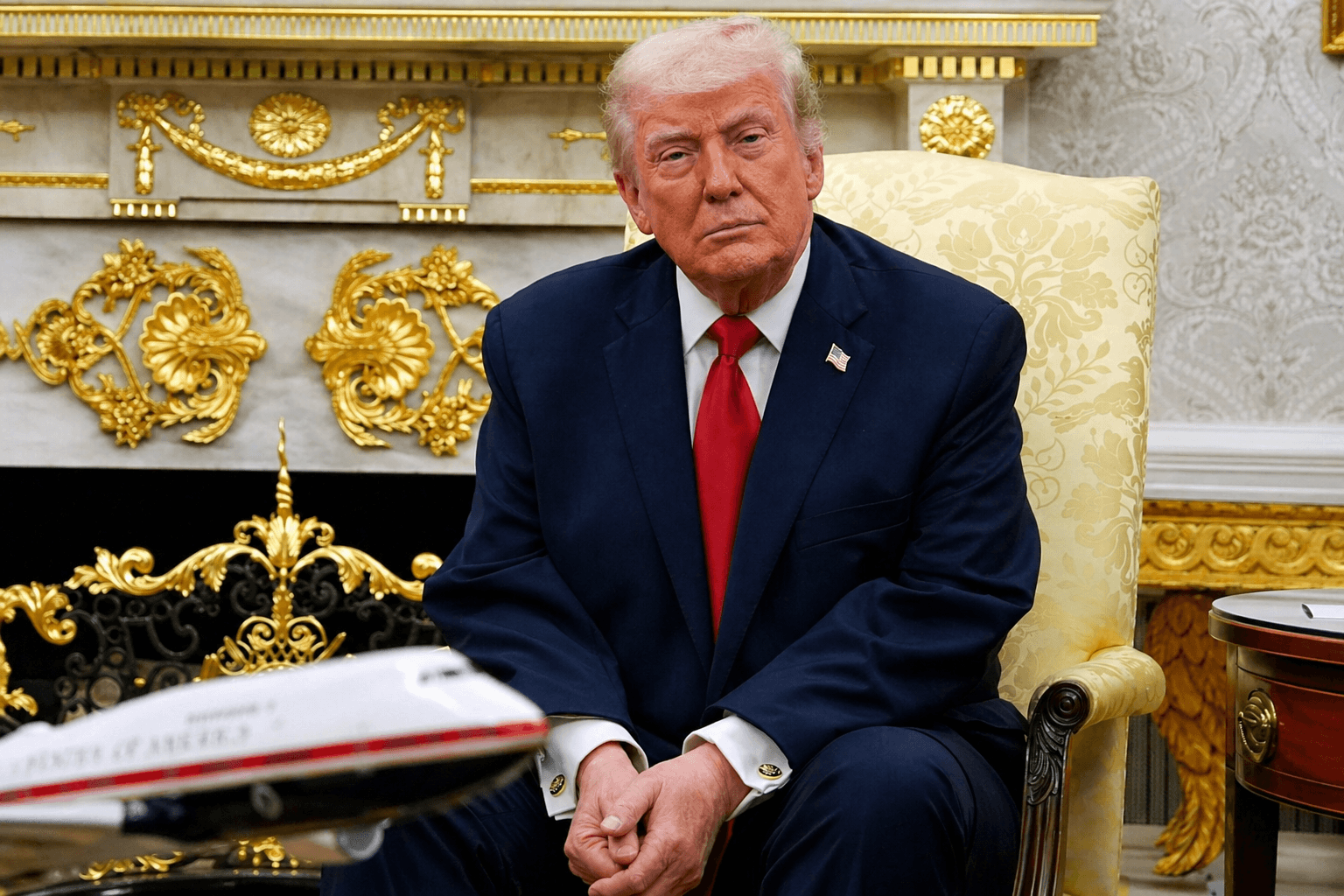
The Trump Iran warning has entered a sharper phase. The language is direct. The tone is uncompromising. The message is clear.
US President Donald Trump declared “No more Mr Nice Guy” while warning Iran to “get smart soon.”
This shift reflects growing frustration as nuclear talks stall and geopolitical pressure rises. At the same time, the statement signals more than rhetoric. It marks a recalibration of US strategy at a critical moment.
What Triggered This Hardline Shift
The immediate trigger is the collapse of momentum in nuclear negotiations. Talks aimed at limiting Iran’s nuclear program have slowed significantly. Trump openly criticized Iran’s inability to finalize a non nuclear agreement. He stated that Iran “can’t get their act together.”
Moreover, Washington views Tehran’s latest proposals as insufficient. Iran has prioritized easing conflict conditions before addressing nuclear commitments. As a result, the US sees this as delay rather than diplomacy.
A Conflict That Never Fully Settled
The Iran nuclear issue has remained unresolved for years. The earlier agreement attempted to restrict Iran’s nuclear ambitions in exchange for sanctions relief.
However, the US withdrawal from the deal reshaped the landscape. Since then, trust has weakened and negotiations have struggled. Iran has continued uranium enrichment. Western nations remain concerned about its proximity to weapons capability. This long standing tension forms the foundation of today’s escalation.
Key Developments Driving the Warning
Recent developments have intensified the situation. Trump’s message was accompanied by a dramatic visual portraying a tougher stance. At the same time, the US is considering stronger economic pressure, including extending blockades.
Economic stress inside Iran is already visible. Inflation has surged above 65 percent, and the currency has weakened sharply. These pressures are not incidental. They are part of a broader strategy to force compliance.
Global Market and Security Impact
The Trump Iran warning is already affecting global markets. Oil prices have reacted quickly to rising tensions. Brent crude has climbed above 107 dollars per barrel, while US crude crossed 103 dollars. This reflects market sensitivity to disruptions in the Strait of Hormuz, a route that carries nearly 20 percent of global oil supply.
From a security standpoint, the risk remains elevated. Although a ceasefire exists, it is fragile. Any escalation could quickly expand beyond bilateral conflict.
Strategic Meaning Behind the Messaging
Trump’s statement is not just political language. It serves multiple strategic purposes. First, it increases pressure on Iran to act.
Second, it signals strength to allies in the Middle East.
Third, it reinforces a deterrence narrative.
Importantly, it also reflects a shift from negotiation patience to coercive leverage. However, rhetoric does not guarantee immediate action. It often precedes it.
What Comes Next in This Standoff
The direction now depends on Iran’s response. Tehran may return to negotiations under pressure. Alternatively, it may continue its current stance. Meanwhile, the US could escalate through sanctions or extended economic measures.
Global actors may attempt mediation. Yet, the window for compromise appears narrow. This situation is moving from diplomatic uncertainty toward strategic confrontation.
A Defining Signal in a Fragile Moment
The Trump Iran warning marks a decisive shift in tone and intent. The phrase “No more Mr Nice Guy” is not symbolic. It reflects policy direction. By urging Iran to “get smart soon,” the US is setting a clear expectation.
The stakes are high. Energy markets, regional stability, and global diplomacy are all affected. What happens next will depend on whether pressure leads to negotiation or escalation.
FAQ's
What did Trump mean by “No more Mr Nice Guy”?
It signals a tougher US stance and reduced tolerance for delays in nuclear negotiations.
Why did Trump tell Iran to “get smart”?
He expressed frustration over stalled talks and urged Iran to agree to a non nuclear deal quickly.
What is causing the current tension?
The main issue is Iran’s nuclear program and the lack of progress in negotiations.
How are global markets reacting?
Oil prices have increased due to fears of supply disruption and regional instability.
Is conflict likely to escalate further?
The risk exists, especially if diplomatic efforts fail and pressure measures intensify.
Topics
Covering startup news, AI, technology, and business at ThePrimely. Delivering accurate, in-depth reporting on the stories that shape the future.