
NVIDIA N1X and N1 Chips 2026 What to Expect for AI PCs and Gaming
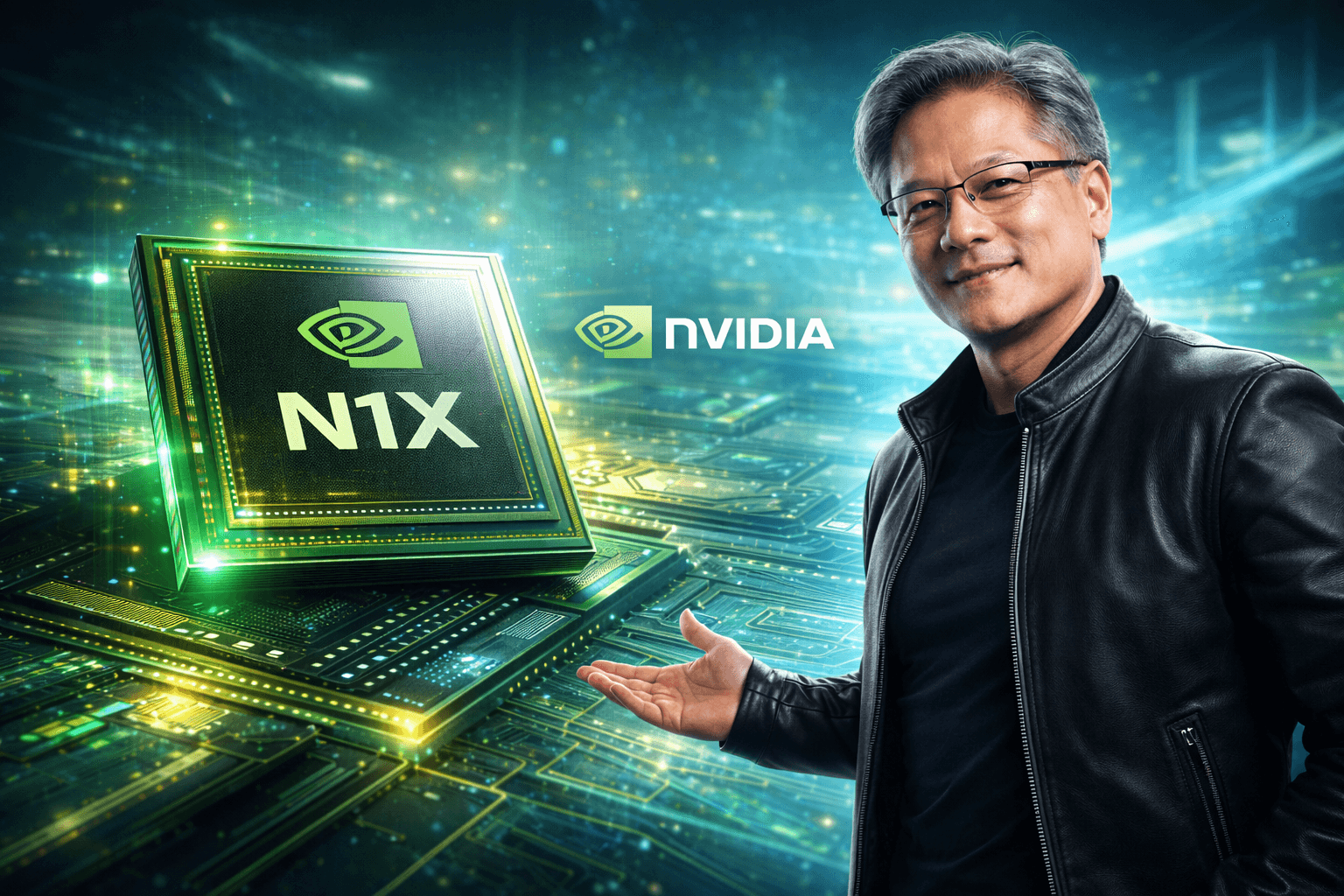
NVIDIA is finally pulling back the curtain on its next major move beyond GPUs. The silicon giant has officially confirmed that its N1X and N1 chips Arm-based system-on-chip platforms aimed at AI laptops and desktops are coming, marking a watershed moment in PC processor evolution. These chips are being co-developed with MediaTek and target AI-driven computing experiences while positioning NVIDIA as a direct competitor to traditional CPU makers like Intel and AMD.
While NVIDIA’s graphics dominance is well established, this push into consumer CPUs and integrated processors signals a new phase in computing architecture one that blends efficient Arm designs with powerful AI-focused GPUs. But the road there has had twists and turns, and the full story is still unfolding.
What NVIDIA Has Confirmed
NVIDIA CEO Jensen Huang has publicly acknowledged that the N1X and N1 processors are real and in active development alongside MediaTek, built on advanced process nodes for both desktops and laptops. These chips are designed to power next-gen Ai PCs with a focus on high performance and low power, enabling complex AI workloads directly on end-user machines rather than relying solely on cloud servers.
The collaboration with MediaTek adds Arm CPU expertise to NVIDIA’s well-known GPU technology, creating versatile SoCs that could deliver performance levels comparable to current mid-to-high range discrete GPUs like the RTX 4070 at least in certain workloads while offering improved energy efficiency.
This positions NVIDIA to challenge existing laptop and desktop architectures and pushes the industry into a more heterogeneous era of computing.
Expected Features and Performance Potential
Although official benchmarks are limited, leaked evaluations on platforms like Geekbench suggest that early N1X engineering samples demonstrate competitive multi-core performance with future-ready architectures combining 20 Arm CPU cores plus powerful integrated GPU performance.
Some reported figures show N1X posting respectable single and multi-core scores, hinting that these chips could be meaningful alternatives to current x86-based designs especially in gaming and AI-accelerated tasks where power efficiency matters.
Release Timeline and Delays
Initial whispers around N1X suggested a debut at events like CES 2025 or an early-to-mid 2025 rollout. But that timing slipped as NVIDIA took its time refining the silicon. Newer reports now point to a likely mass arrival in mid to late 2026.
Industry insiders claim software challenges, firmware tweaks and driver readiness have slowed the assembly line, making an early 2026 launch possible but with limited volumes. More widespread availability is now expected closer to summer or even later in the year.
OEM partners such as Dell, Lenovo and ASUS are already reportedly developing laptops and desktops around N1X and N1, but their final release dates hinge on NVIDIA’s own readiness and the state of Windows-on-Arm support from Microsoft.
Why This Move Matters
1. Breaking Into Ai PC Territory
NVIDIA’s N1X and N1 represent its first serious push into consumer-facing Arm processors, beyond GPUs and datacenter silicon. They blur the lines between traditional CPU and GPU roles, enabling systems that can handle on-device AI tasks more efficiently.
This means laptops and desktops that can run AI features from real-time generation to workstation-grade models without heavy cloud dependence.
2. Direct Competition With Intel and AMD
By entering the PC processor space NVIDIA is challenging Intel’s Core-based architectures and AMD’s Ryzen options head-on. The N1X and N1 chips, with their blend of energy efficiency and AI performance, could steal mind and marketshare if they deliver as anticipated.
Delays have also given competitors breathing room, but the potential disruption remains significant.
3. Boosting Arm Ecosystem on Windows
Until recently, ARM-based PCs on Windows were niche. The arrival of N1-family chips, backed by NVIDIA’s software and hardware ecosystem, could finally push Windows-on-Arm into mainstream relevance, especially in segments like ultrathin gaming and productivity laptops.
Challenges and Industry Context
Transitions into new processor families rarely go smoothly, and N1X is no exception. The move to Arm for consumer PCs involves not only chip design but also robust driver support, OS optimization and developer ecosystem support.
Reports suggest the lack of urgency from key partners such as Microsoft on OS optimization has contributed to delays and uncertainty around initial launch windows.
In this context NVIDIA’s careful pacing can be seen as both prudent and frustrating for customers eager to see real competition with x86 offerings.
Topics
Covering startup news, AI, technology, and business at ThePrimely. Delivering accurate, in-depth reporting on the stories that shape the future.