
Singapore AI Research Investment to Exceed $779M by 2030
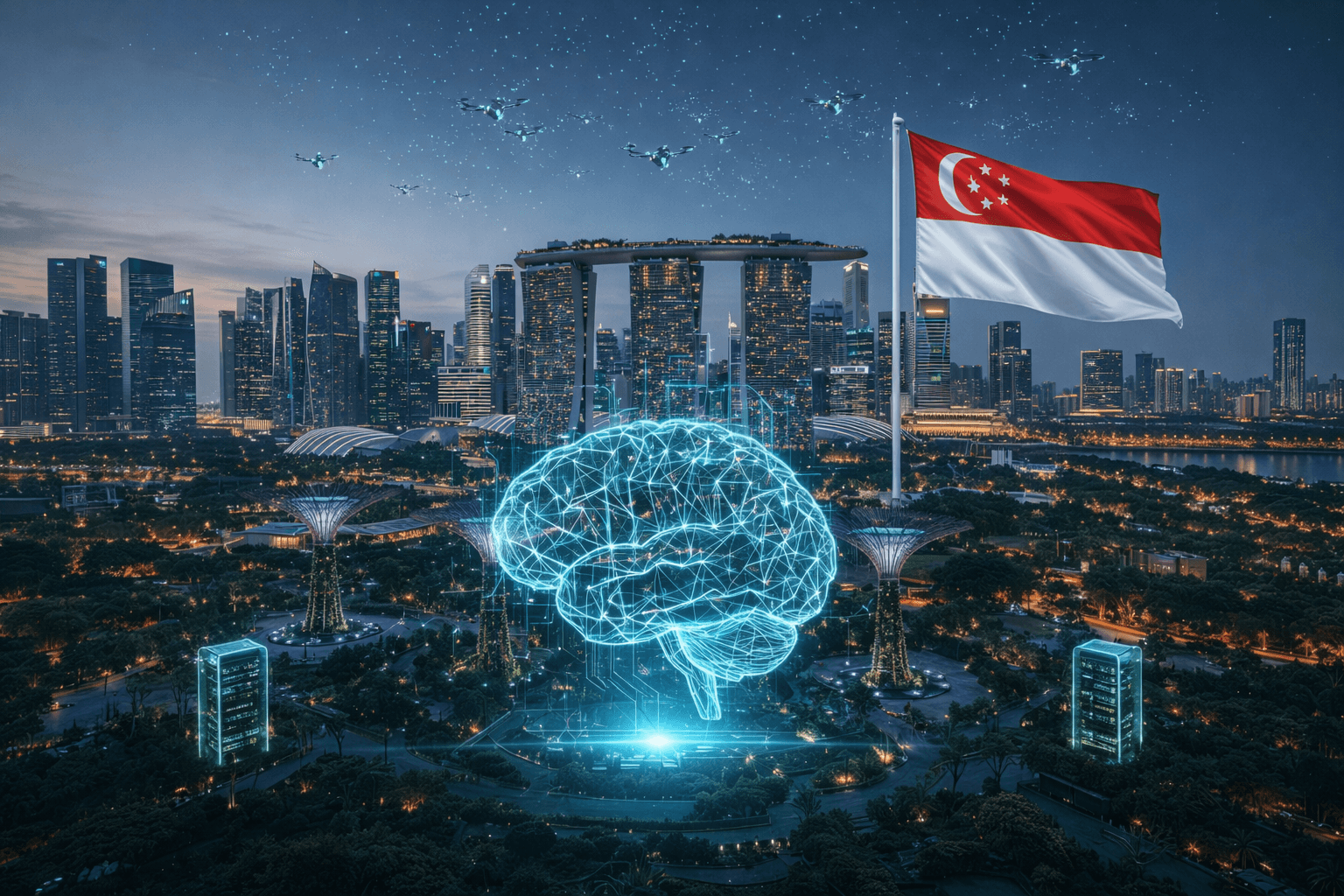
Singapore has unveiled a major funding initiative that will see Singapore AI research investment exceed S$1 billion, or about US$779 million, allocated to public artificial intelligence research through 2030. The move reflects the country’s ambition to strengthen its position in global AI innovation while developing deep technical talent for the digital economy.
The funding, announced by the Ministry of Digital Development and Information, represents one of the largest long-term public AI science commitments in Southeast Asia. It combines research support, workforce development, and efforts to accelerate AI adoption across industries including finance, manufacturing, logistics, and healthcare.
Priority Areas for AI Funding
The government said the investment will focus on three major pillars of public AI research and capacity building.
First is responsible and resource-efficient AI. Singapore aims to support research that reduces the environmental footprint of artificial intelligence while ensuring ethical and safe deployment in critical sectors. This includes developing algorithms that require less data and energy, aligning with global calls for more sustainable artificial intelligence.
Second is AI talent development in Singapore. Funding will support the entire talent pipeline, from early education programs to advanced academic research roles. By strengthening local expertise and attracting international collaboration, the country aims to build a globally competitive base of AI scientists and engineers.
Third, part of the funding will expand AI adoption in industry. The goal is to help companies integrate advanced AI systems into real-world operations, ensuring that research breakthroughs translate into economic and societal impact rather than remaining confined to laboratories.
National AI Strategy Context
The initiative fits within the National AI R&D Plan Singapore, which outlines research, innovation, and talent priorities between 2025 and 2030. Officials say this roadmap is central to positioning Singapore as a leading AI hub in the Asia-Pacific region.
In recent years, the government has already invested heavily in enabling infrastructure. In 2024, Singapore allocated S$500 million to develop high-performance computing resources designed to support large-scale AI research and model training. This computing capacity provides the foundation needed for advanced experimentation in machine learning and data-intensive science.
The AI Singapore programme has also played a significant role in the country’s AI ecosystem. It previously received more than S$500 million to drive AI research and applications. Among its projects is the Sea-Lion open-source large language model, designed to support Southeast Asian languages. The model has demonstrated both research value and commercial adoption across the region.
Strategic Implications for Singapore
Analysts note that the Singapore AI research investment strategy goes beyond funding size. It reflects a deliberate attempt to balance fundamental research, workforce readiness, and industry engagement.
By prioritizing responsible AI and efficiency across the technology stack, Singapore is seeking to differentiate itself from national strategies that focus mainly on rapid scaling or commercial dominance. Emphasizing sustainability and ethical deployment could enhance trust in AI systems developed within the country.
Talent remains a central theme. Programs such as international research partnerships and visiting professorships aim to strengthen collaboration while building domestic expertise in fields like machine learning, data analytics, and autonomous systems.
Global and Regional Context
Singapore’s investment comes amid intense global competition in artificial intelligence. While the United States and China dominate private-sector AI spending, Singapore’s targeted public funding positions it as one of the most ambitious smaller nations in AI research.
This approach could allow Singapore to specialise in high-impact niches such as healthcare diagnostics, supply chain optimisation, and financial risk modelling. Its work in multilingual AI and regional language technology also supports broader collaboration across ASEAN.
Experts say that building strong responsible AI capabilities and a skilled workforce will be critical as AI becomes more central to economic competitiveness and national resilience.
What Comes Next
The Ministry of Digital Development and Information will work with universities, industry partners, and international institutions to allocate the funding. Research priorities may evolve as technologies mature and new applications emerge. Through sustained Singapore AI research investment to 2030, the country is signaling a long-term commitment to innovation, practical deployment, and inclusive technology growth. The strategy aims not only to advance AI science but also to ensure that its benefits are integrated into the wider economy and society.
Topics
Covering startup news, AI, technology, and business at ThePrimely. Delivering accurate, in-depth reporting on the stories that shape the future.