
Union Budget 2026 Electronics Prices What Gets Cheaper What Costs More
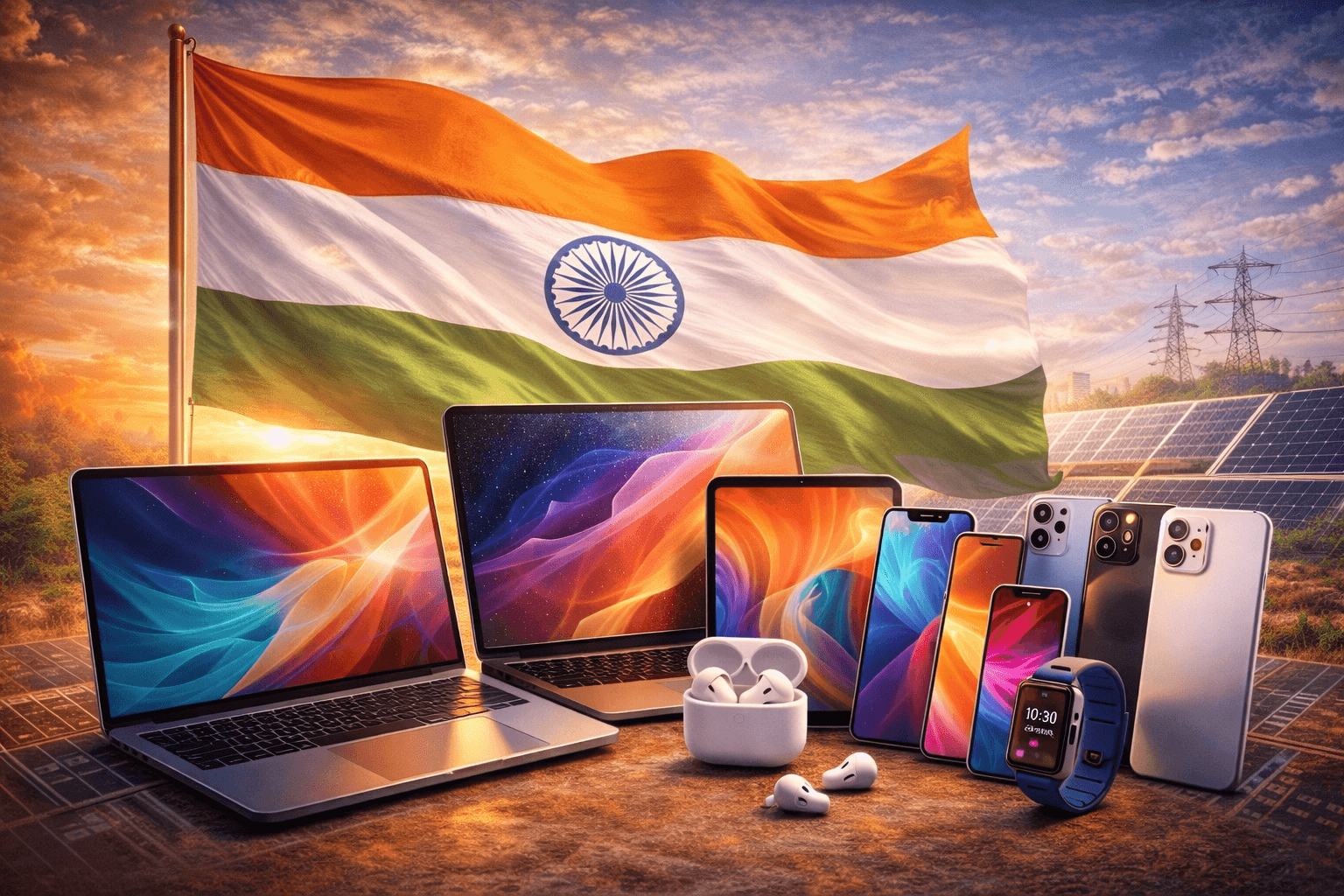
Union Budget 2026 brought important changes for electronics buyers in India. From smartphones to solar panels and laptops, pricing trends are now closely tied to how the government wants India manufacturing to grow.
The budget focused on reducing dependence on imported finished products while strengthening local production. Some electronics may become more affordable, while others could remain expensive or see price pressure. Here is a clear breakdown of what changes matter and why.
Why Electronics Were a Key Focus in Budget 2026
Electronics form one of India’s fastest growing consumption and manufacturing sectors. The government has been steadily encouraging companies to assemble and produce devices locally.
Union Budget 2026 continued this strategy by adjusting customs duties on key components rather than finished products. The aim is simple. Make local manufacturing cheaper and imports less attractive.
Electronics That May Get Cheaper
Mobile Phones and Tablets
The budget reduced or removed customs duty on several components used in smartphone and tablet assembly. These include batteries, camera modules, display parts, and other electronic inputs.
Phones assembled in India could now cost less to produce. Over time, manufacturers may pass these savings to consumers, especially in mid range and budget categories.
Premium phones may not see immediate reductions, but domestic brands are likely to benefit first.
Solar Panels and Renewable Equipment
Solar panels and related components received duty relief to support India’s clean energy goals. Lower import costs for solar inputs can reduce project costs for both businesses and households.
This could make rooftop solar installations more affordable and encourage faster adoption of renewable energy across cities and rural areas.
Electric Vehicle Batteries
The budget removed basic customs duty on lithium ion cells used in electric vehicle batteries. This is a major step for electric mobility.
Lower battery costs help manufacturers scale production and could eventually reduce prices for electric scooters, bikes, and cars in India.
Electronics That May Cost More or Stay Expensive
Laptops and High End Computing Devices
High end laptops and premium computing products did not receive duty reductions. Global chip prices and component shortages continue to affect these categories.
As a result, laptop prices may remain high or increase slightly, especially for advanced models used by professionals and gamers.
Imported Electronics and Premium Devices
Finished imported products such as smart TVs, advanced wearables, and premium gadgets may not benefit from duty cuts. Without local assembly, these items remain vulnerable to higher import costs.
Consumers buying fully imported devices should not expect price drops in the near future.
What This Means for Indian Manufacturing
Union Budget 2026 strengthens the made in India electronics ecosystem. By supporting component imports while discouraging finished product dependence, the government is creating incentives for local assembly and innovation.
This approach helps:
- Create manufacturing jobs
- Reduce import bills
- Improve export competitiveness
- Strengthen supply chains
Over time, India could emerge as a major global electronics manufacturing hub.
What Consumers Should Expect Next
In the short term, price changes may be gradual. Discounts may come through seasonal offers rather than instant reductions.
In the medium term, locally assembled phones, solar equipment, and EV products may become more affordable.
In the long run, consistent manufacturing support could stabilize electronics prices and expand product choices for Indian consumers.
Topics
Covering startup news, AI, technology, and business at ThePrimely. Delivering accurate, in-depth reporting on the stories that shape the future.